
Here is a detailed definition of a seam, breaking it down from a simple explanation to the technical aspects used in the clothing industry.
Simple Definition
A seam is the line of stitching that holds two or more pieces of fabric together. It is the most fundamental element of garment construction; without seams, you would just have flat pieces of cloth.
Technical / Industry Definition
In manufacturing and patternmaking, a seam is defined as the application of a series of stitches or stitch types to join two or more layers of material together.
The key components of a seam are:
-
Fabric Layers: The pieces of fabric being joined.
-
Stitching Line: The line of stitches itself.
-
Seam Allowance: The area of fabric between the stitching line and the raw, cut edge of the fabric. This is crucial because if you stitch right at the edge, the seam will pull apart.
-
Seam Line: The precise line where the stitching is intended to be placed.
The Purpose of a Seam
Seams are not just functional; they are also design elements. Their purposes include:
-
Construction: To create a three-dimensional garment from two-dimensional fabric patterns.
-
Shape & Fit: The placement and type of seam can contour to the body’s shape (e.g., princess seams on a dress).
-
Durability: A well-constructed seam can withstand stress, stretching, and washing.
-
Design & Aesthetics: Seams can be decorative, creating visual lines, panels, and details on a garment (e.g., topstitched seams, flat-felled seams on jeans).
-
Finishing: Many seam techniques are designed to enclose the raw edges of the fabric to prevent fraying and create a neat interior.
Common Types of Seams (How They Are Constructed)
There are many ways to classify seams, but they are often categorized by how the fabric layers are arranged and finished.
| Seam Type | Description | Common Uses | Image |
|---|---|---|---|
| Plain Seam | The most basic type. Two fabric pieces are placed with right sides together, stitched, and then pressed open. The raw edges inside are often finished separately. | The starting point for most garments (dresses, shirts, etc.). |
|
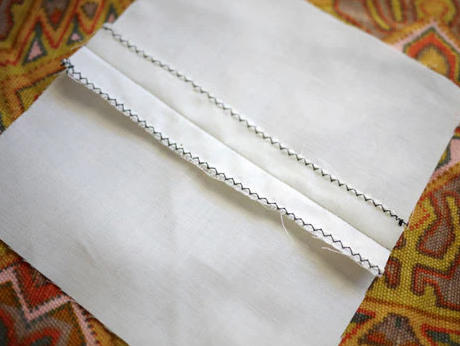
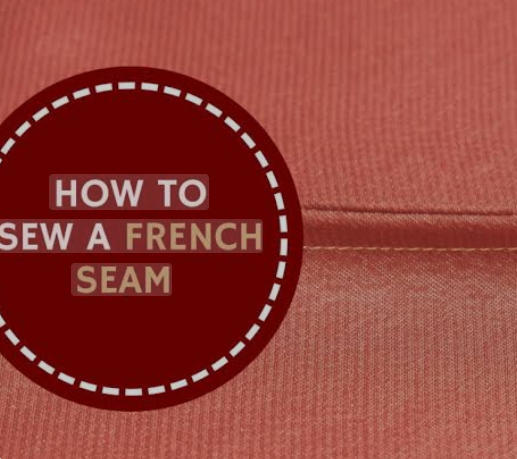
| French Seam | A durable and elegant seam that completely encases the raw edges within it. It involves two lines of stitching and is sewn “wrong sides together” first, then “right sides together.” | Sheer fabrics, lingerie, high-end shirts, and unlined jackets where a clean interior finish is important. |
|
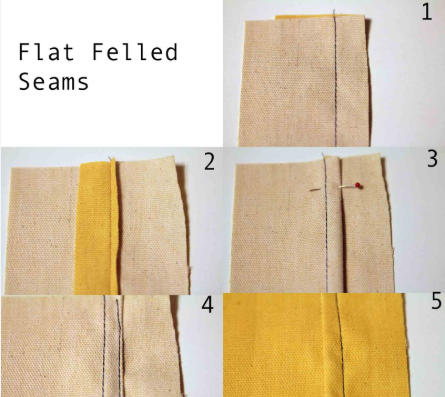
| Flat-Felled Seam | A very strong, durable seam where one raw edge is folded over the other and stitched down, creating a neat finish with two parallel lines of stitching on the top. | Denim jeans, workwear, men’s dress shirts, and sportswear. |
|
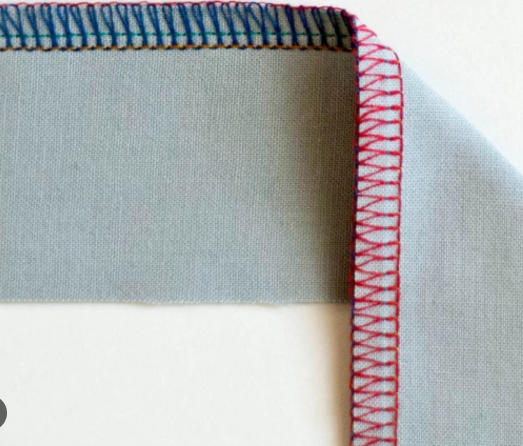
| Overlocked Seam | Not a specific seam construction, but the most common finish. A plain seam is stitched, and then the raw edges are trimmed and stitched over simultaneously using an overlocker (serger) to prevent fraying. | The industry standard for the vast majority of casual knitwear (t-shirts, sweatshirts). |
|
Key Takeaway
A seam is the fundamental joint of a garment. Its definition encompasses both the functional stitching that holds the item together and the construction technique that determines its strength, appearance, and quality.