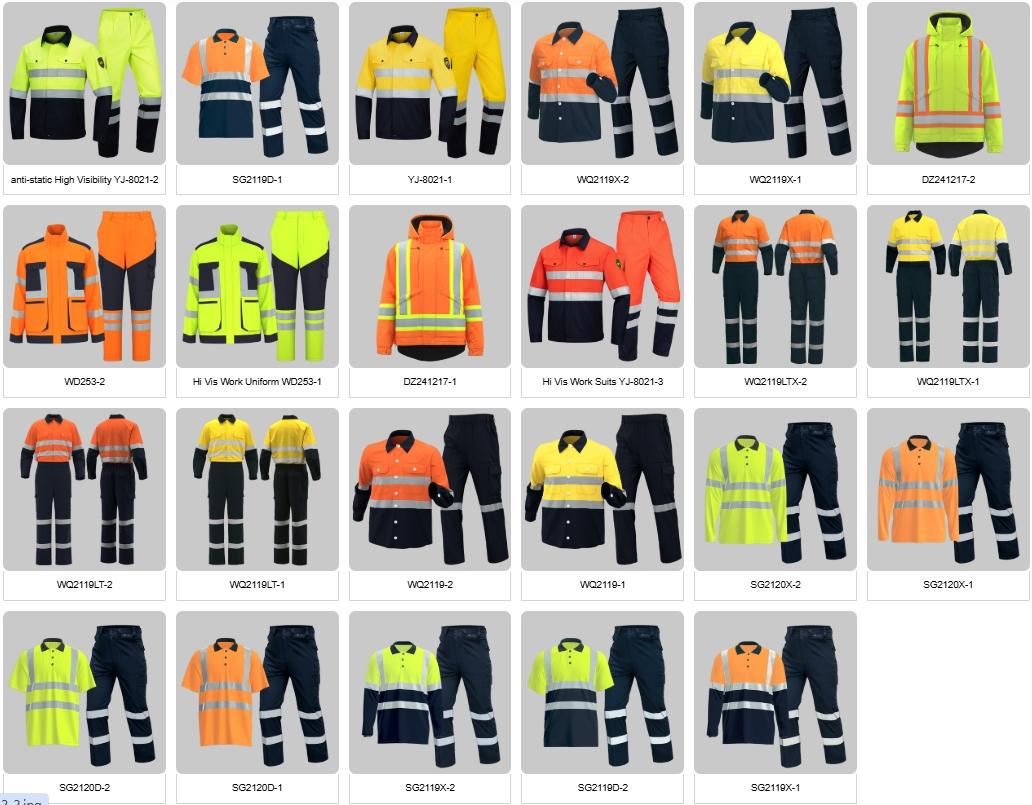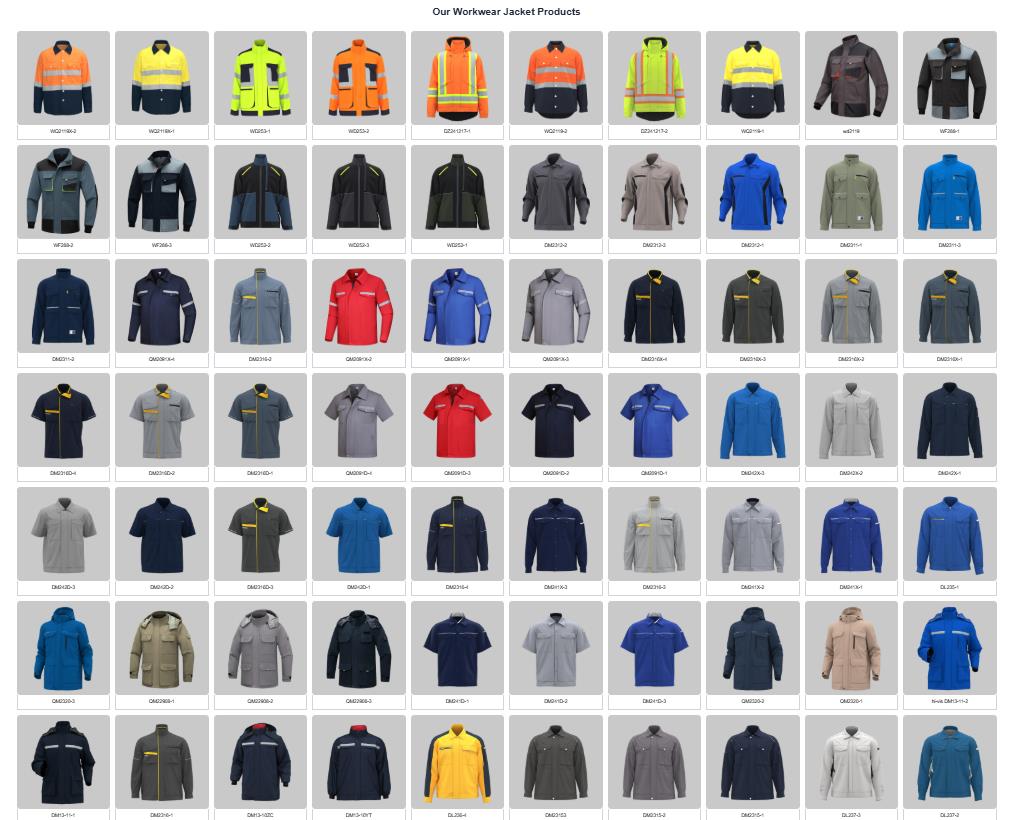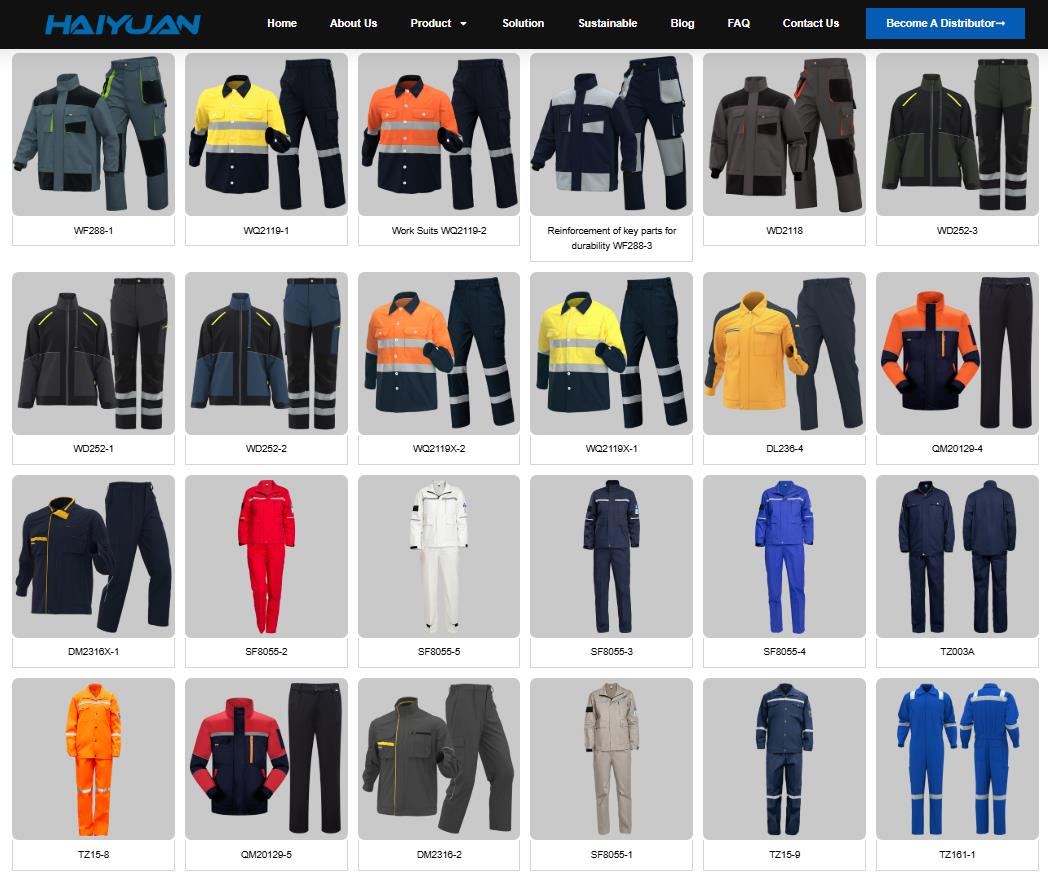

This is an important distinction, especially in manufacturing, construction, and industrial settings. While the terms are sometimes used interchangeably, they have different legal and functional meanings.
Here’s a clear breakdown of the difference between Workwear and PPE (Personal Protective Equipment).
The Quick Answer
-
Workwear is primarily for identification, professionalism, and basic cleanliness. It protects the product from the worker and the worker’s own clothes from general dirt.
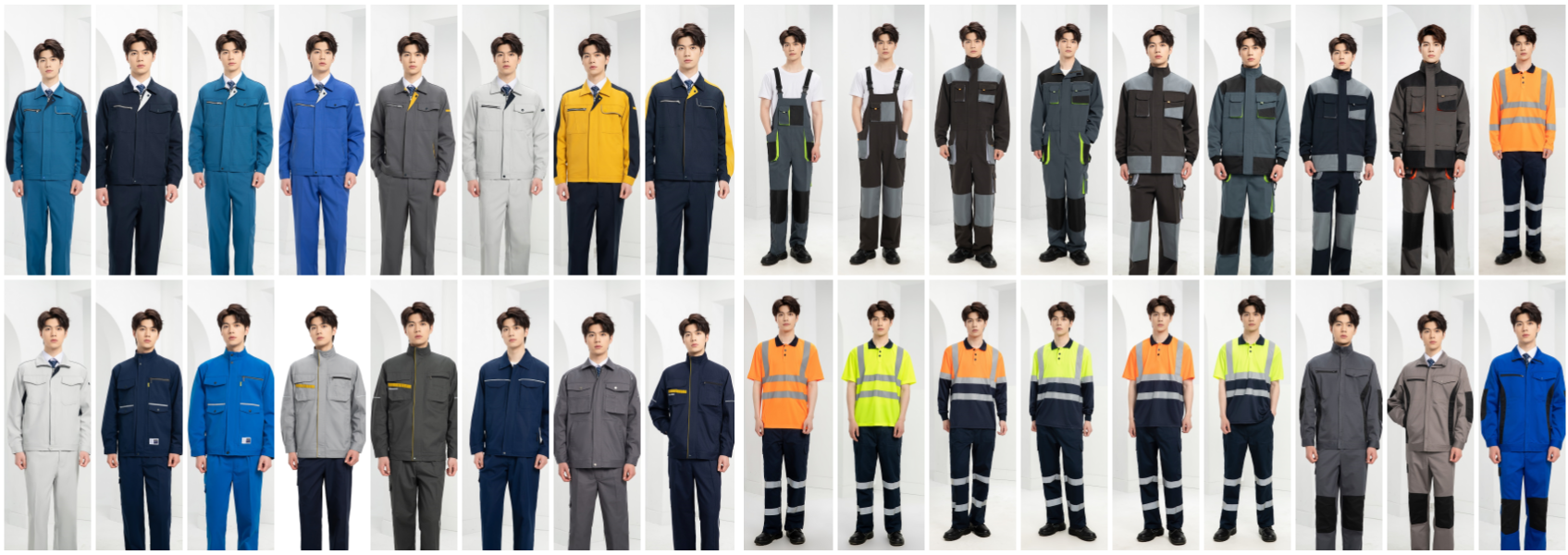
polyester cotton labor workwear -
PPE is specifically designed to protect the worker from serious workplace hazards that could cause injury or illness.
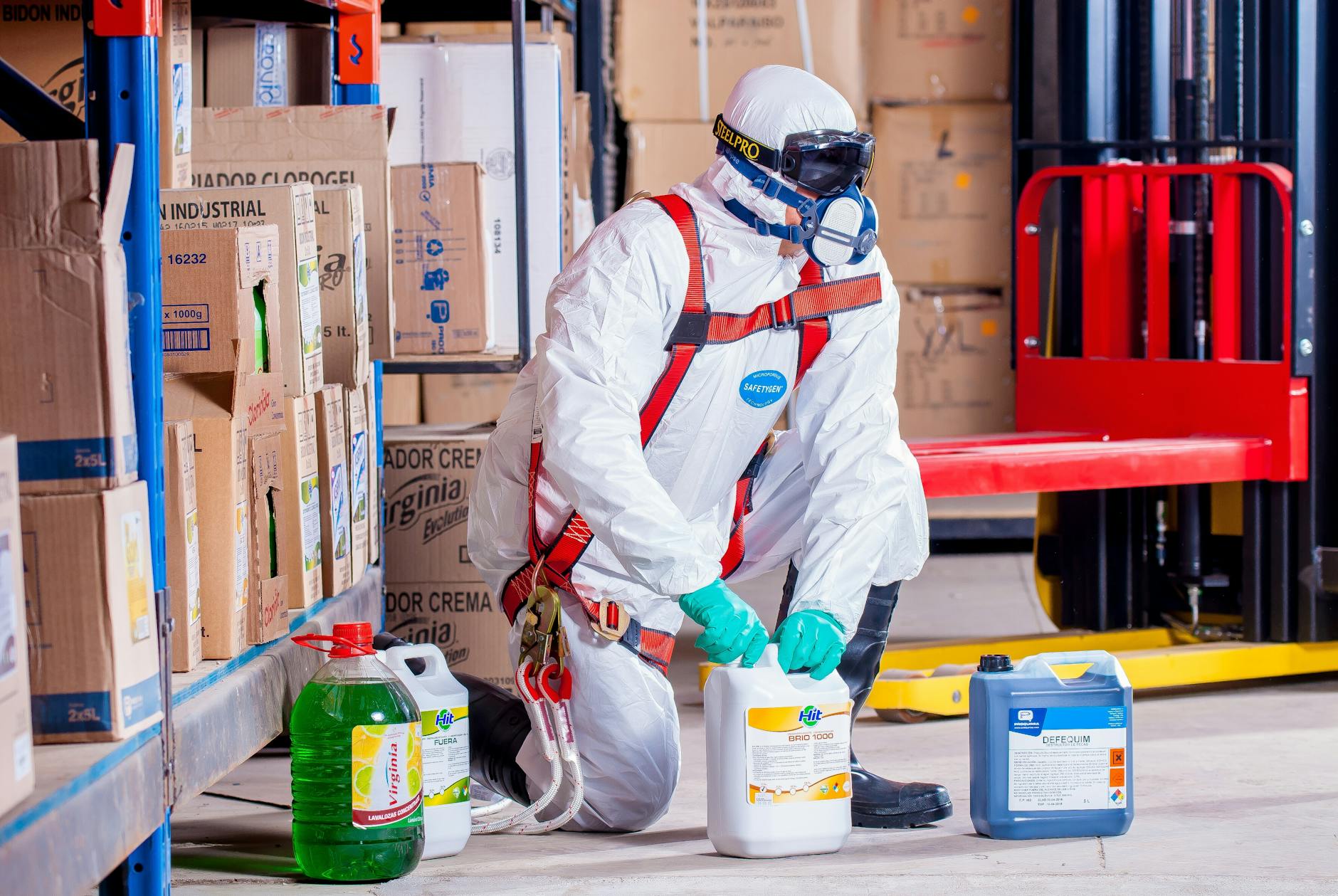
PPE
Think of it this way:
-
Workwear is a uniform.
-
PPE is safety equipment that is often worn over the uniform.
Detailed Comparison
| Feature | Workwear | PPE (Personal Protective Equipment) |
|---|---|---|
| Primary Purpose | Identity & Basic Protection. Identifies the worker, promotes a brand, and provides a basic barrier against non-hazardous dirt. | Hazard-Specific Safety. Protects the worker from specific, serious workplace dangers. |
| What it Protects Against | Everyday dirt, grime, and minor spills that are a nuisance but not a direct threat to health/safety. | Chemical splashes, falling objects, electrical arcs, extreme heat, airborne particles, loud noise, etc. |
| Regulation & Certification | Generally not regulated by safety authorities. No formal certification is required. | Heavily regulated. Must meet strict performance standards and be certified (e.g., by ANSI, OSHA, CE, CSA). |
| Examples | Corporate polo shirts, branded coveralls, chef jackets, basic shop coats. | Hard hats, safety goggles, steel-toed boots, respirators, high-visibility vests, arc-flash suits, cut-resistant gloves. |
| Legal Requirement | Often an employer policy, not a legal safety requirement. | A legal requirement for employers to provide and for employees to use where hazards cannot be eliminated. |
| Fit & Sizing | Focuses on comfort and professional appearance. | Must be fitted correctly to be effective (e.g., respirator fit tests). |
Deeper Dive
What is Workwear?
Workwear is the clothing issued to employees to be worn during work activities. Its main functions are:
-
Branding and Professionalism: Creates a unified team look and promotes the company brand (e.g., a logo on a polo shirt).
-
Hygiene and Cleanliness: In fields like food service or pharmaceuticals, it prevents contaminants from the worker’s street clothes from affecting the product.
-
Durability: Made from sturdy fabrics to withstand a work environment, but not necessarily to protect from acute hazards.
-
Basic Coverall: Protects the worker’s personal clothing from general dirt, dust, and minor stains.
Example: A mechanic wearing a set of blue coveralls with the garage’s logo is wearing workwear. It keeps their clothes clean and identifies them as an employee.
What is PPE (Personal Protective Equipment)?
PPE is specialized equipment or clothing designed to create a barrier against workplace hazards. It is considered the last line of defense after other safety measures (like machine guards or ventilation) have been implemented.
-
Hazard-Specific: Each type of PPE is engineered for a specific danger.
-
Certified Performance: It must be tested and certified to prove it meets minimum performance standards. For example, safety glasses must be ANSI Z87.1 certified to withstand impact.
-
Mandatory Use: Its use is legally enforced by occupational health and safety regulations (like OSHA in the US) when specific hazards are present.
Example: The same mechanic puts on safety goggles (for eye protection from fluids and debris), impact-resistant gloves (for handling sharp metal), and steel-toed boots (for foot protection from dropped tools). These items are all PPE.
The Gray Area: When Workwear Becomes PPE
Some clothing items can blur the line, and the key differentiator is certification.
-
A regular long-sleeved shirt is workwear. A long-sleeved shirt made of arc-rated fabric (like for electricians) is PPE because it is certified to protect against a specific hazard.
-
A standard black winter jacket is workwear. A high-visibility orange vest with reflective stripes that meets ANSI/ISEA 107 standards is PPE.
-
Regular pants are workwear. Pants with built-in chainsaw-resistant padding (certified to a standard) are PPE.
Key Takeaway
The most critical difference is intent and certification.
-
If the item is for appearance, identity, or basic cleanliness, it’s Workwear.
-
If the item is certified to a specific safety standard to protect against a documented workplace hazard, it’s PPE.
Employers have a legal duty to perform a hazard assessment and provide the correct, certified PPE to their employees at no cost. Providing standard workwear does not fulfill this obligation.