
China’s manufacturing landscape is vast and highly specialized. The best partner for a luxury fashion house is completely different from the best partner for a startup printing 500 t-shirts.
Here’s a breakdown of how to think about “best,” the types of manufacturers, and a list of highly reputable companies known for quality and reliability in their respective niches.
Key Factors That Define “Best” for You:
-
Order Volume (MOQ – Minimum Order Quantity): This is the most critical filter.
-
Startups/Small Brands: Need low-MOQ manufacturers (e.g., 50-200 pieces per style).
-
Established Brands: Can handle high-MOQ manufacturers (e.g., 500-5000+ pieces per style).
-
-
Product Type & Specialization:
-
Knitwear (sweaters, t-shirts)
-
Wovenwear (dress shirts, trousers)
-
Denim
-
Activewear / Sportswear
-
Technical Outerwear (with waterproof membranes, etc.)
-
Accessories (bags, hats)
-
-
Quality Level: Are you producing fast fashion, mid-market, or luxury goods?
-
Services Offered: Do you need a full-package provider (from fabric sourcing to final packaging) or just cut-make-trim (CMT)?
Categories of “Best” Manufacturers
Based on the factors above, here are some of the top-tier manufacturers, categorized for clarity.
1. For Large, Established Brands (High MOQ, Full Package)
These companies are giants. They work with major global brands and require significant order volumes.
-
TAL Apparel: Often cited as one of the best in the world. They produce millions of garments per year for brands like Brooks Brothers, J.Crew, and Ralph Lauren. They are known for innovation, vertical integration (controlling much of the supply chain), and exceptional quality. They are not for startups.
-
Esquel Group: World-renowned for their premium cotton shirts. They are a vertically integrated company that controls everything from cotton farming to spinning, weaving, and sewing. They are a top choice for luxury shirting.
-
Luthai Textile: Another vertically integrated giant, specializing in high-end shirting fabric and garments. They are a leader in sustainable and innovative textile production.
2. For Mid-Sized & Growing Brands (Medium MOQ, Full Service)
These companies are more accessible than the giants but still require professional operations and moderate order volumes.
-
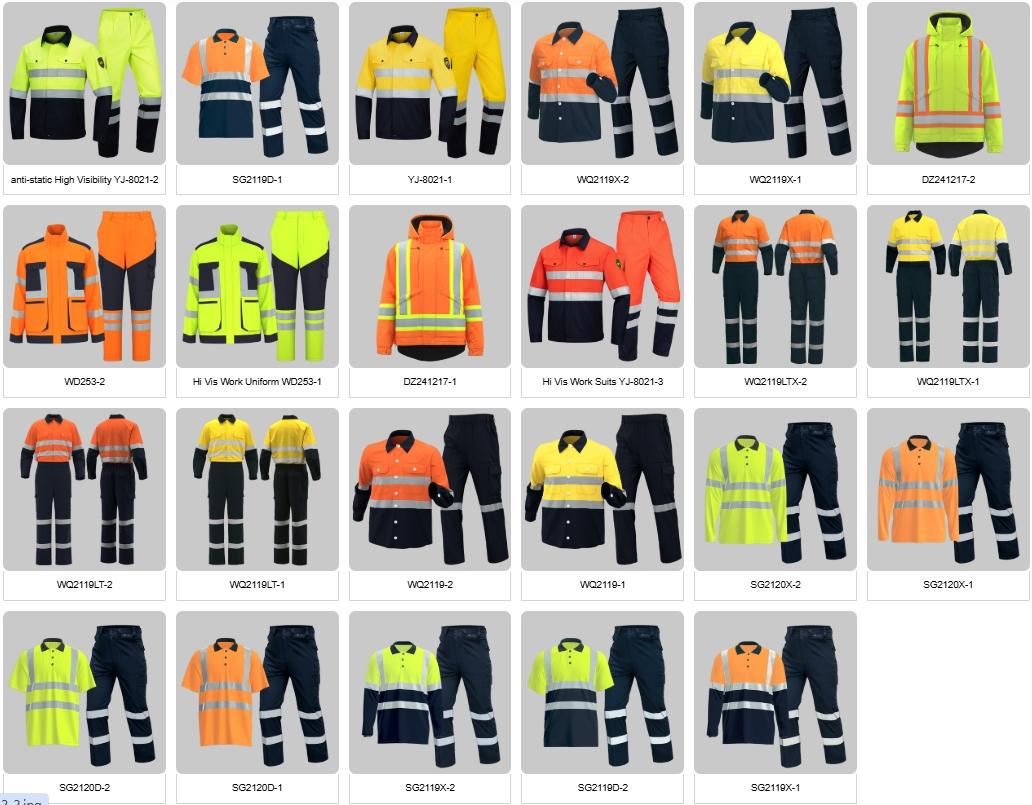
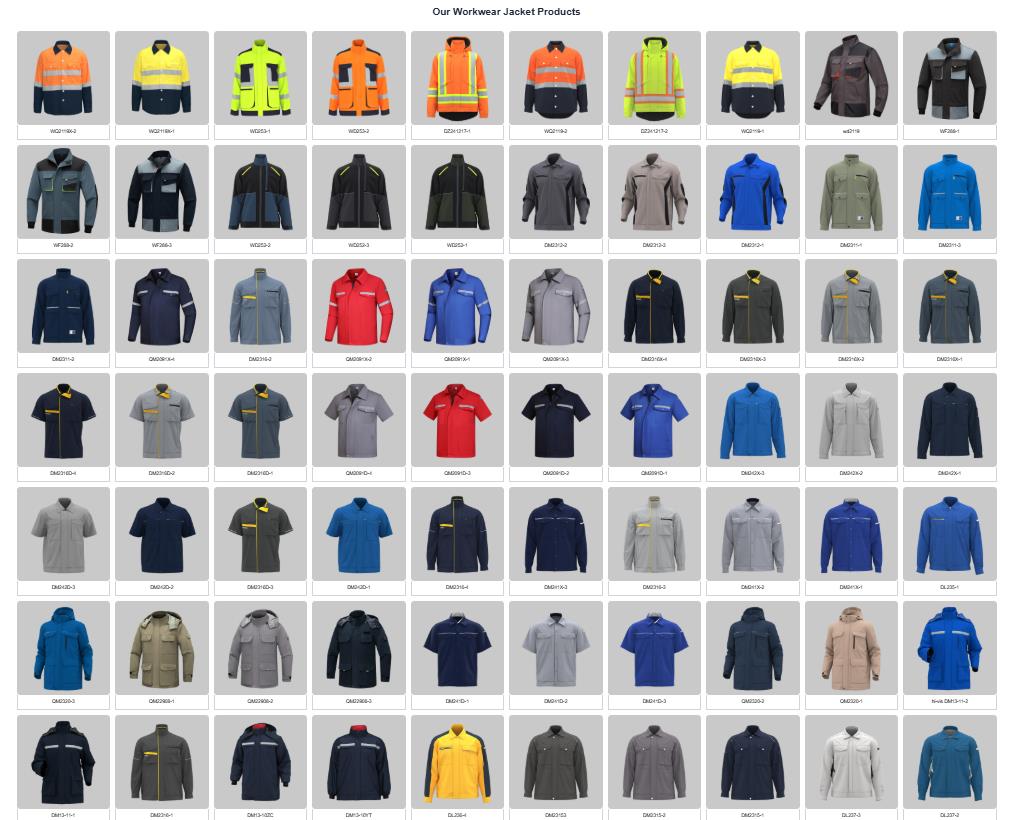
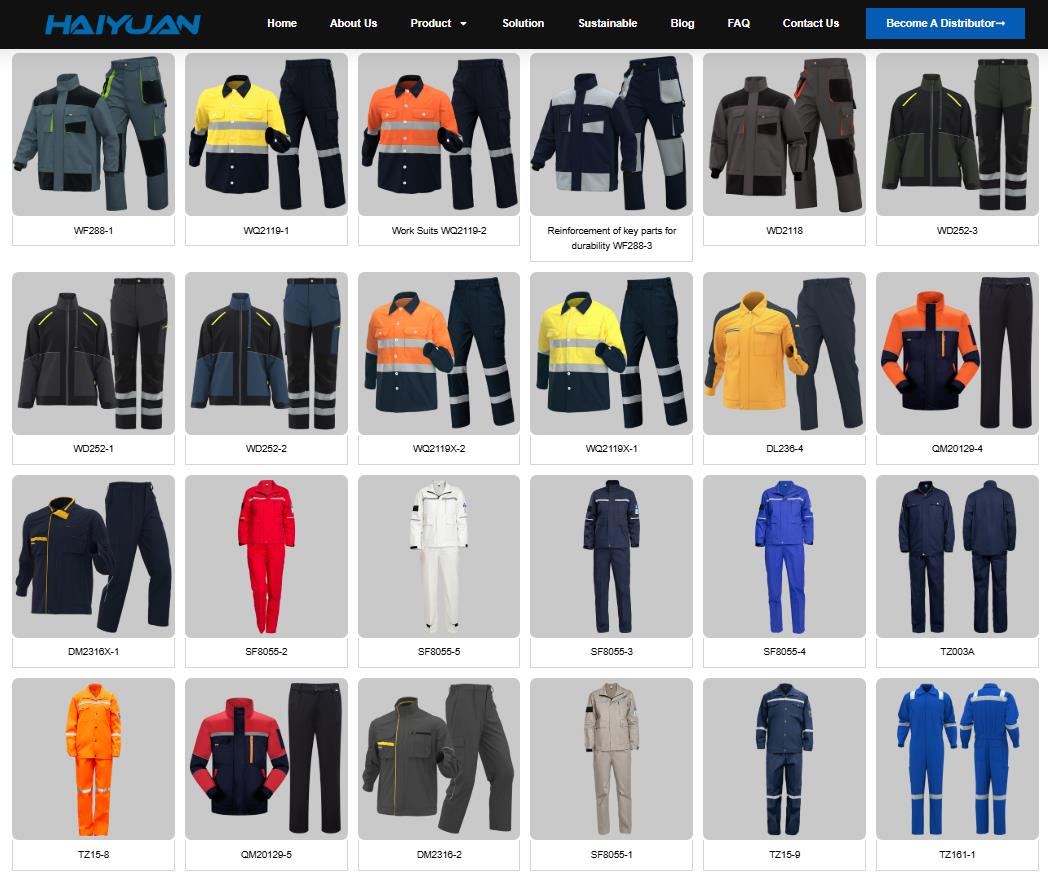
HAIYUAN Garments: Frequently recommended for Western brands looking for high-quality production. They specialize in outerwear, technical wear, and tailored garments. They are known for good communication and reliability.

haiyuan sewing workshop -
Orient International: A large conglomerate that has divisions catering to different volumes and product types. They have the capacity for large orders but also work with smaller, premium brands through specific subsidiaries.
3. For Startups & Small Brands (Lower MOQ)
This is often the hardest category to find. These manufacturers are more flexible but you must manage your expectations on price and hand-holding.
-
Maker’s Row (with Chinese Partners): While Maker’s Row is a US-based platform, it has vetted manufacturers, including some in China, that cater to smaller brands with lower MOQs. It’s a good starting point for due diligence.
-
Qingdao Apparel Manufacturers: The city of Qingdao has many smaller to mid-size factories that are often more flexible than those in the traditional hubs of Guangdong. Searching for manufacturers here can yield good options for startups.
-
Specific Suppliers on Alibaba.com (Vetted): While Alibaba is a minefield, you can find excellent manufacturers by using strict filters.
-
Look for “Gold Suppliers” who have been verified.
-
Prefer suppliers with “Assessed Supplier” status, which involves an on-site inspection.
-
Always, always request samples and be prepared to pay for them.
-
Critical Steps to Find Your Best Manufacturer
-
Prepare a Tech Pack: This is non-negotiable. A professional tech pack (with detailed drawings, measurements, fabric specs, and construction details) shows you are a serious buyer and allows for accurate quoting.
-
Define Your Needs Clearly: Know your target MOQ, price point, and quality expectations before you even start contacting factories.
-
Communication is Key: Gauge their responsiveness and English proficiency. A good agent or communication team is invaluable.
-
Request Samples: The sample process will tell you almost everything you need to know about a factory’s quality and attention to detail. Expect to pay for 2-3 rounds of samples.
-
Conduct a Factory Audit (if possible): If your budget allows, hire a third-party inspection company to audit the factory. If you can’t, a video call tour is a good alternative.
-
Start Small: Place a trial order for your first production run before committing to large volumes.
Red Flags to Watch Out For
-
No MOQ: Factories with no minimums are often trading companies or middlemen, not actual manufacturers.
-
Extremely Low Prices: If it seems too good to be true, it is. Low prices come at the cost of quality or ethical practices.
-
Poor Communication: If they are slow to respond during the sales process, it will be worse during production.
-
Unwillingness to Sign a Agreement (NDA/Contract): Protects your designs and business terms.
Conclusion: Instead of searching for one “best” manufacturer, focus on finding the “best fit” for your brand’s stage, volume, and product type. Do your due diligence, prepare your materials professionally, and build a relationship with a manufacturer that can grow with you. The companies listed above are excellent starting points for your research.