
That’s an excellent question. The answer is: it depends entirely on the materials and construction of the specific chore jacket.
A traditional chore jacket is only good for mild winter weather, but modern versions and layering techniques can make it a solid winter choice.
Let’s break it down.
The Traditional Chore Jacket: Not Ideal for Deep Winter
The classic chore jacket (like the original French “bleu de travail” or a standard Carhartt) is typically made from a mid-weight cotton canvas or denim.
-
Pros: Durable, wind-resistant to a degree, and breaks in beautifully.
-
Cons for Winter:
-
No Insulation: It’s just a single layer of fabric, offering no built-in warmth.
-
Not Waterproof: Cotton absorbs moisture (rain, snow, sweat), which will make you cold very quickly.
-
Breathable to a Fault: It doesn’t trap heat well, so cold air easily penetrates in frigid conditions.
-
Verdict for Traditional: Good for a crisp fall day or a cool winter day above freezing, especially if you’re active. Not suitable for wet or very cold (< 32°F / 0°C) conditions on its own.
The Modern Winter-Ready Chore Jacket: A Great Choice
Many heritage and workwear brands have evolved the chore jacket to handle colder climates. Look for these features:
-
Lined or Insulated Models: This is the biggest game-changer.
-
Flannel-Lined: A soft, brushed cotton lining adds a significant amount of warmth and comfort.
-
Sherpa-Lined (Pile-Lined): Uses a thick, fuzzy synthetic or wool-like material that provides excellent insulation, mimicking a cozy sweater.
-
** quilted or Padded:** Features a layer of synthetic insulation (like Thermore® or Primaloft® or hyys®) between the outer shell and lining, creating a true winter jacket.
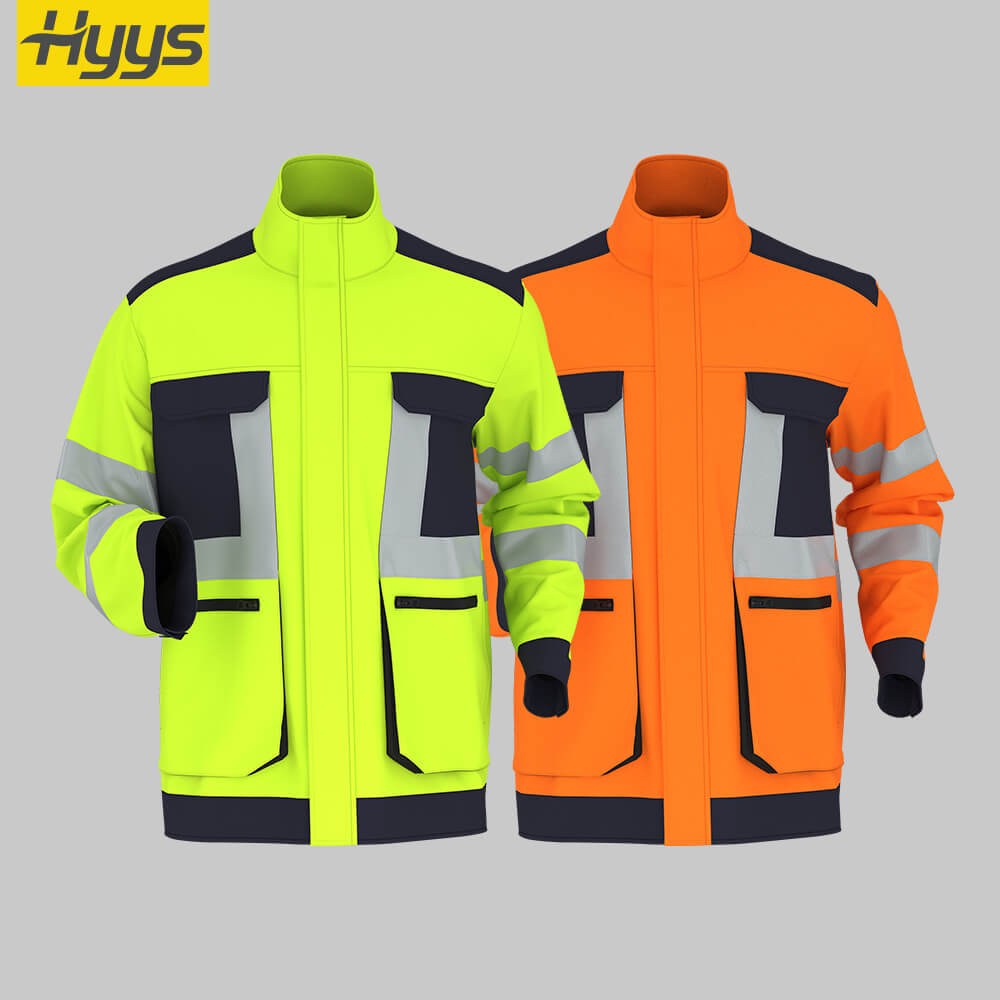
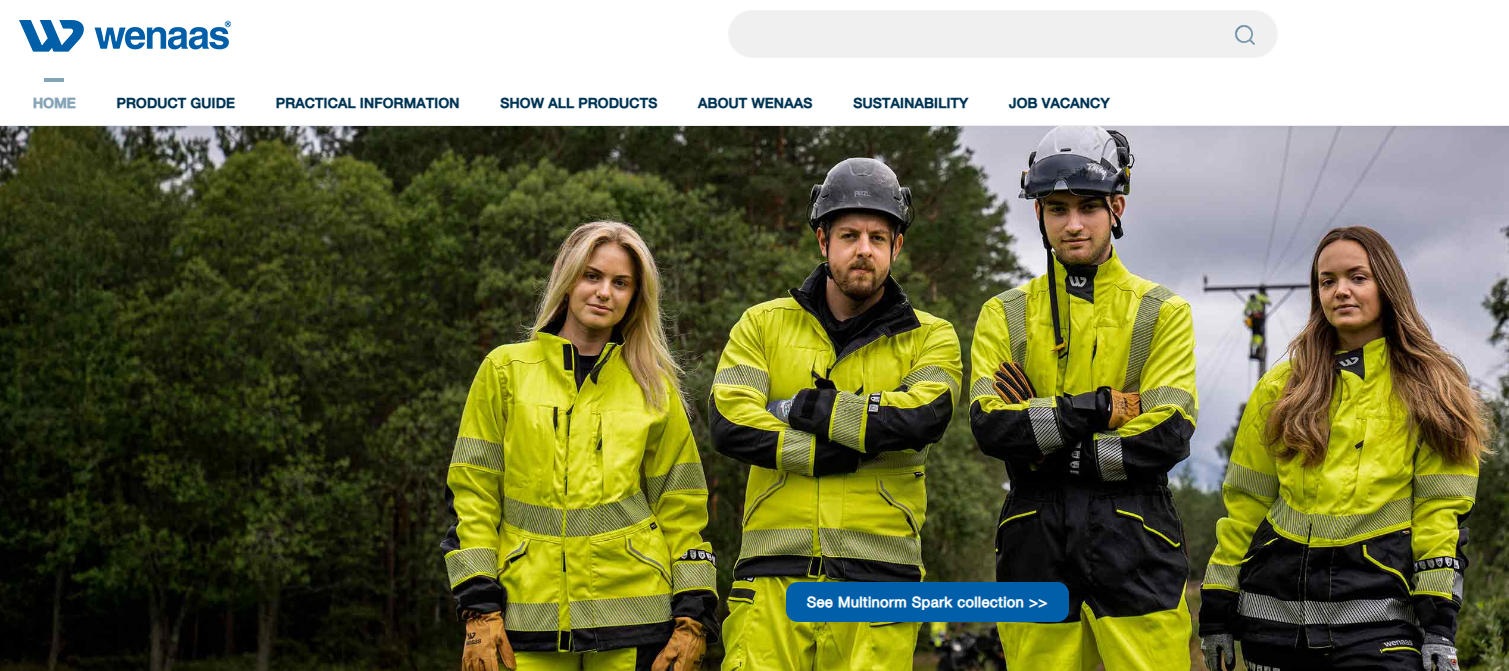
winter high visibility waterproof cold proof polar fleece jacket
-
-
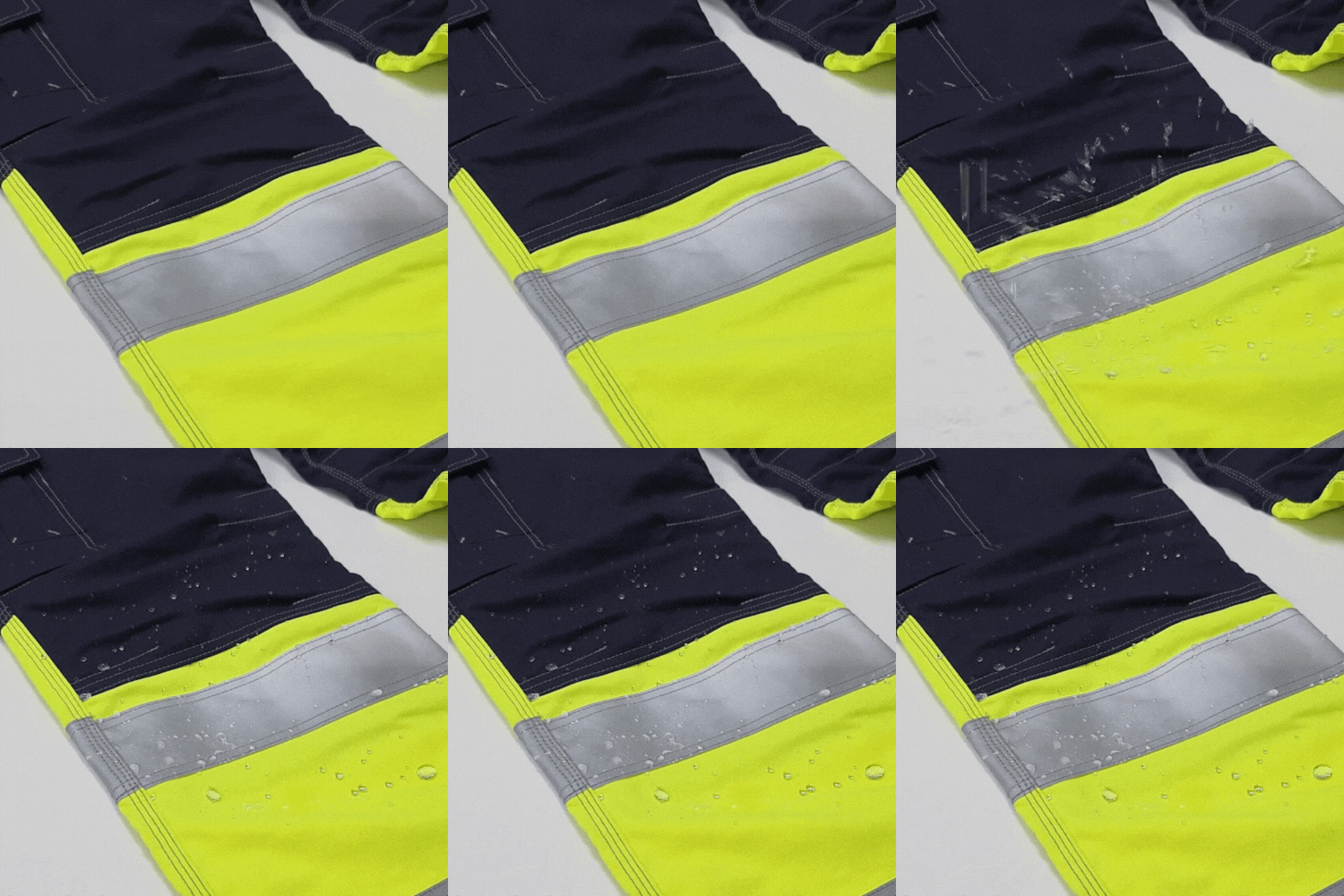
Water-Resistant or Waxed Canvas: A waxed cotton finish (like those from Filson or Barbour) makes the jacket highly water-resistant and windproof, dramatically improving its performance in snow and sleet.
-
Heavier Fabrics: Some winter versions use a heavier, tighter-weave canvas or duck cloth to better block the wind.
Verdict for Modern/Winterized: An excellent choice for winter. These versions combine the classic, stylish look of a chore jacket with the functional warmth and weather resistance needed for the season.
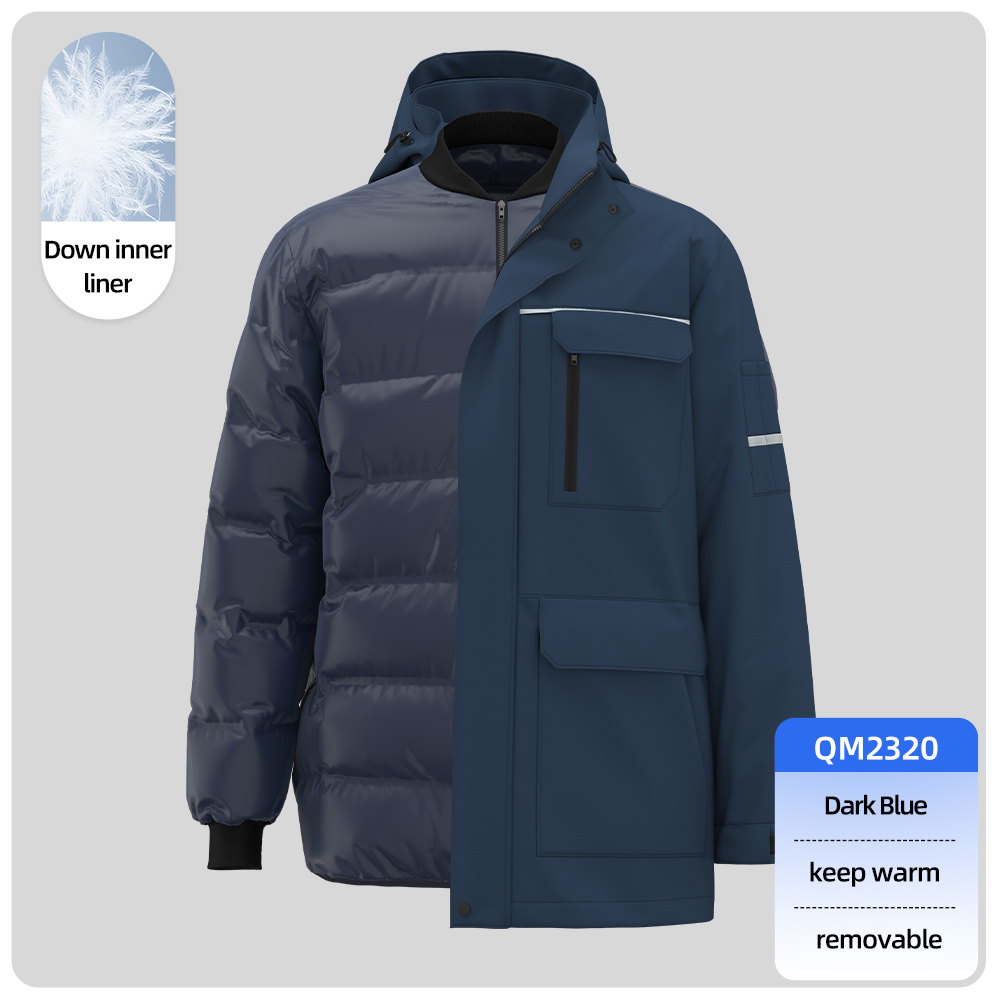
How to Make Any Chore Jacket Warmer for Winter
The beauty of the chore jacket’s slightly boxy fit is that it’s perfect for layering.
-
Base Layer: Start with a merino wool or synthetic thermal top. This wicks moisture and provides core warmth without bulk.
-
Mid Layer: Add a warm fleece, a thick wool sweater, or a thin puffer vest. This is your primary insulation layer.
-
Outer Layer: Your chore jacket. It acts as a wind- and abrasion-resistant shell, trapping the heat from your layers underneath.
With effective layering, even a traditional unlined chore jacket can be part of a winter outfit for moderately cold days.
Pros and Cons Summary
| Pros for Winter Use | Cons for Winter Use |
|---|---|
| Durable & Tough: Stands up to winter abuse. | Traditional versions are cold. |
| Timeless Style: Looks great in and out of winter. | Cotton is cold when wet. |
| Excellent for Layering: The fit accommodates sweaters. | Less warm than a dedicated parka. |
| Winterized versions are very warm and functional. | Can be heavy when lined. |
| Pockets! Great for storing gloves, hats, and hand warmers. |
Final Verdict
-
Is a standard, unlined cotton chore jacket good for a harsh winter? No.
-
Is a lined, insulated, or waxed chore jacket good for winter? Yes, absolutely.
-
Can you make a standard chore jacket work for winter with smart layering? Yes, for all but the very coldest days.
If you’re looking for a stylish, durable jacket that can handle a typical winter, a flannel-lined or sherpa-lined chore jacket is a fantastic and versatile option.