

-
Professionalism and experience: Does the supplier specialize in workwear? Does it have a history of serving your industry? Ask to see samples and references.
-
Product compliance capabilities: Crucial! Can you provide products that meet the protection level you need and have been tested and certified by authoritative organizations? Verify the authenticity of the test report.
-
R&D and production capabilities: Do you have the ability to develop fabrics, functional processing, and style design? Do you have your own factory or integrate the supply chain? Own factories usually have better quality control.
-
Customized service: Can you provide size measurement, pattern adjustment, logo design and embroidery/printing services? Is the response flexible?
-
Quality Control System: Are there strict fabric testing, production process control, and finished product inspection procedures? Understand their quality inspection standards。
-
Supply chain stability and delivery time: Can you guarantee a stable supply, especially during peak season? Is the delivery reliable?
-
After-sales service: Is there a complete mechanism for returns, exchanges, replenishment and repairs?
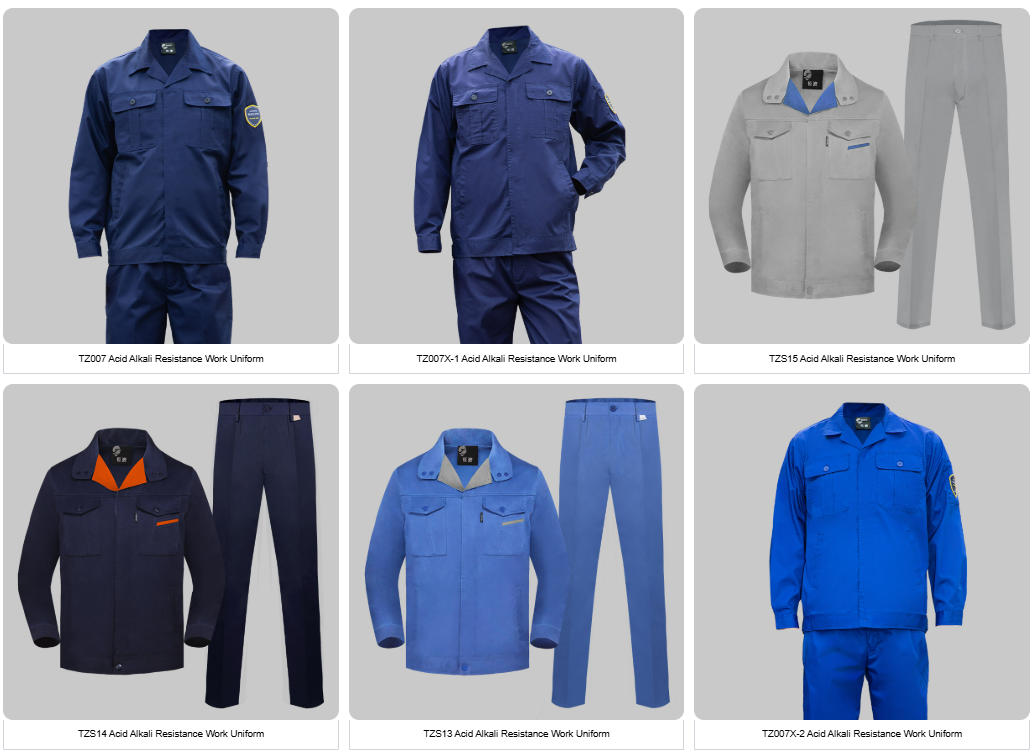
What Chemical Protective Clothing Consists of a Coat and Trousers?
When we think of chemical protective clothing, the image of
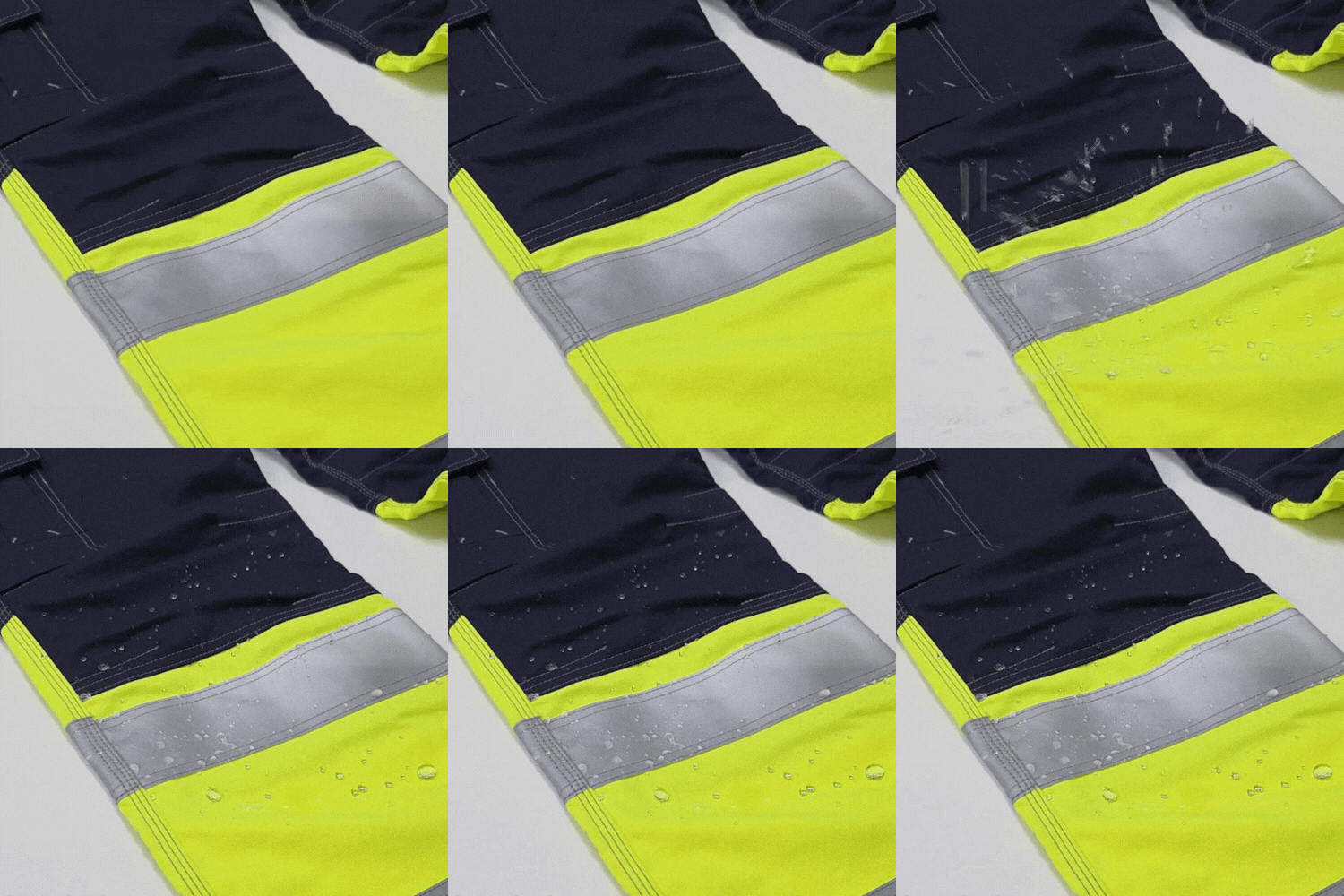
What is chemical resistant protective clothing according to DIN en 13034?
According to DIN EN 13034, chemical resistant protective clothing is classified
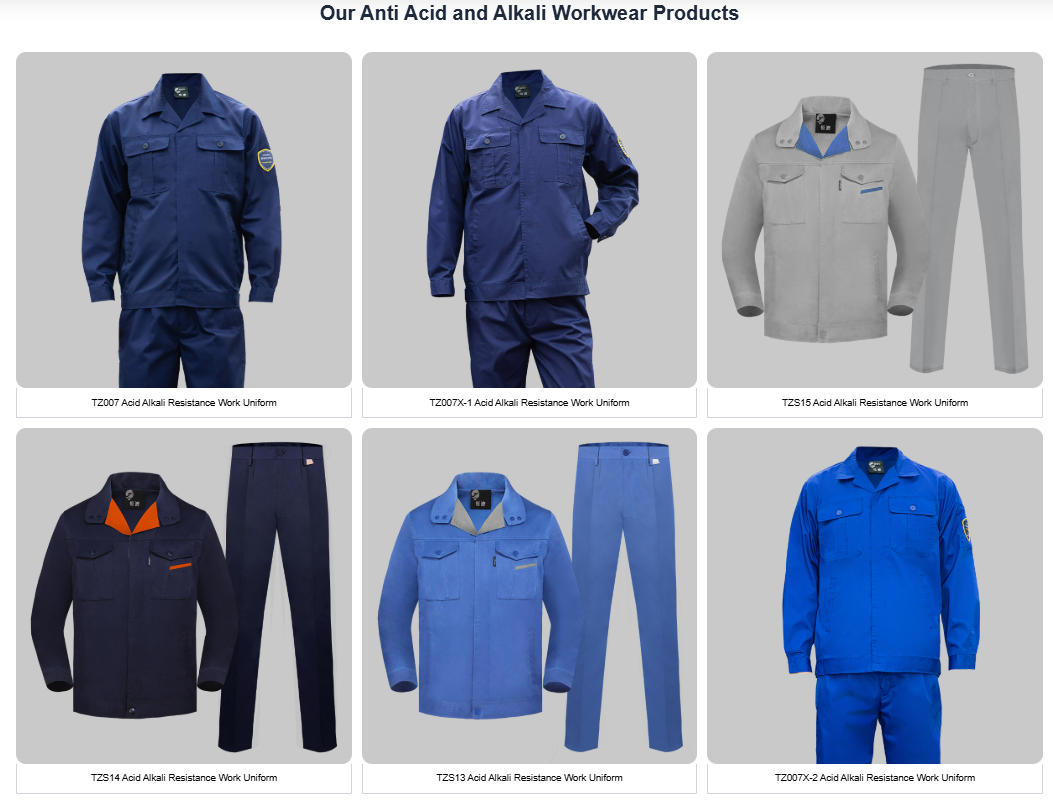
Chemical Resistant Jacket: Your Essential Guide to Upper Body Protection
In workplaces where chemical hazards are present, from industrial manufacturing
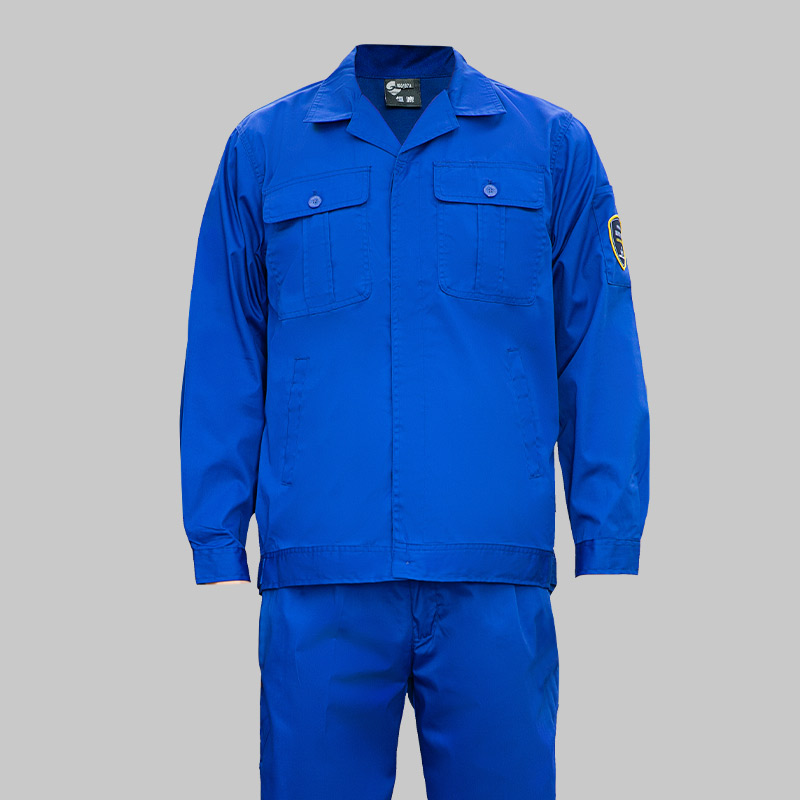
Best Chemical Resistant Coatings for Workwear
Best Chemical Resistant Coatings for Workwear: Ultimate Protection for Hazardous