
Welcome to the world of wholesale apparel sourcing. Navigating online B2B marketplaces and distributor websites can be overwhelming. This guide is designed to help you—whether you’re a startup, a growing brand, or an established decorator—make informed, confident purchasing decisions.
Step 1: Define Your Needs & Goals
Before you browse a single website, clarify your requirements:
-
Product Type: Are you sourcing basic tees, performance wear, fashion-forward blanks, or specialized workwear?
-
Target Audience: Who is your end customer? This dictates fabric, fit, and brand choices (e.g., Bella+Canvas for a younger demographic, Gildan for budget-conscious bulk orders).
-
Volume: Estimate your monthly or annual volume. This is the biggest factor in choosing a supplier.
-
Key Priorities: Rank the importance of price, shipping speed, brand selection, minimum order quantity (MOQ), and customer service.
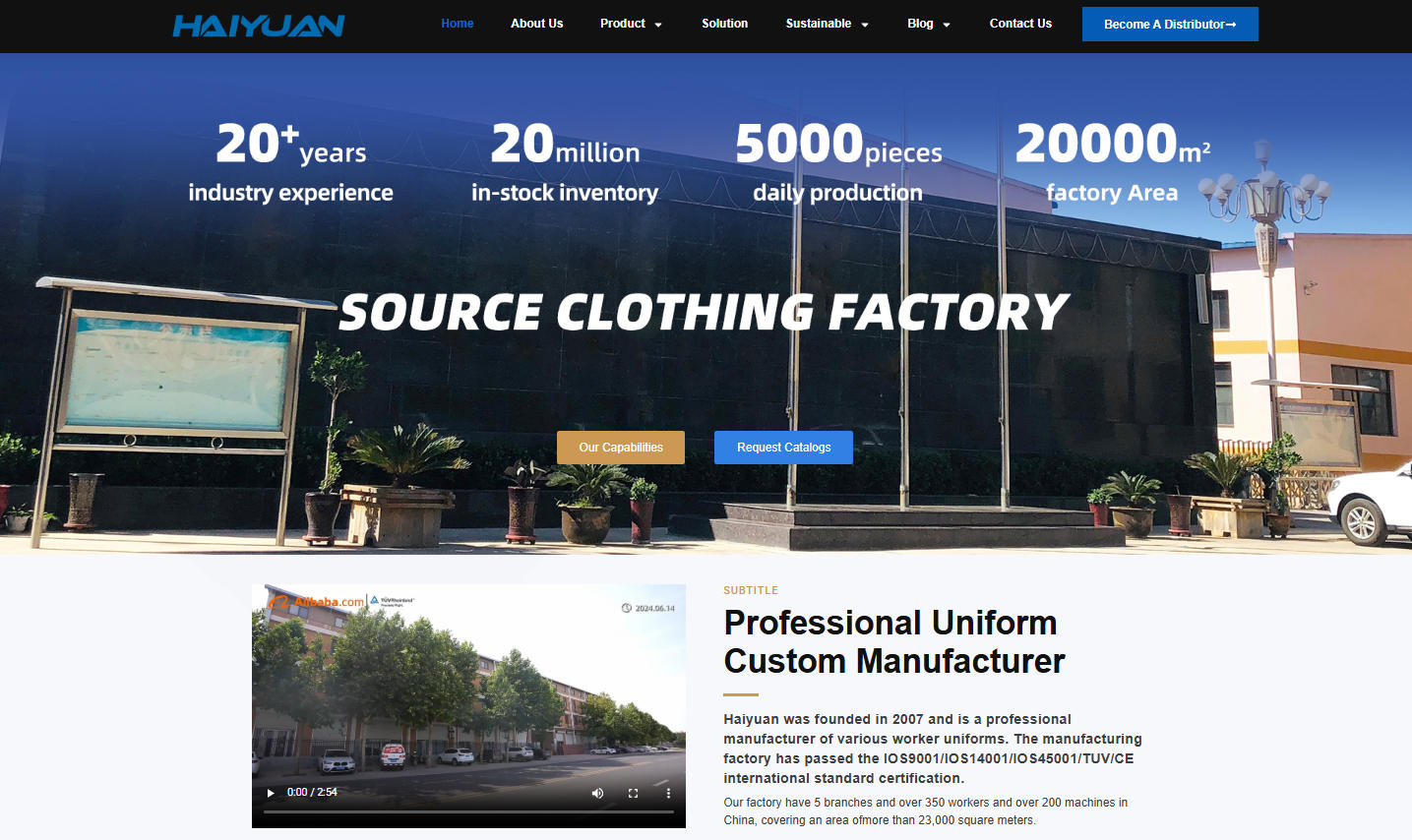
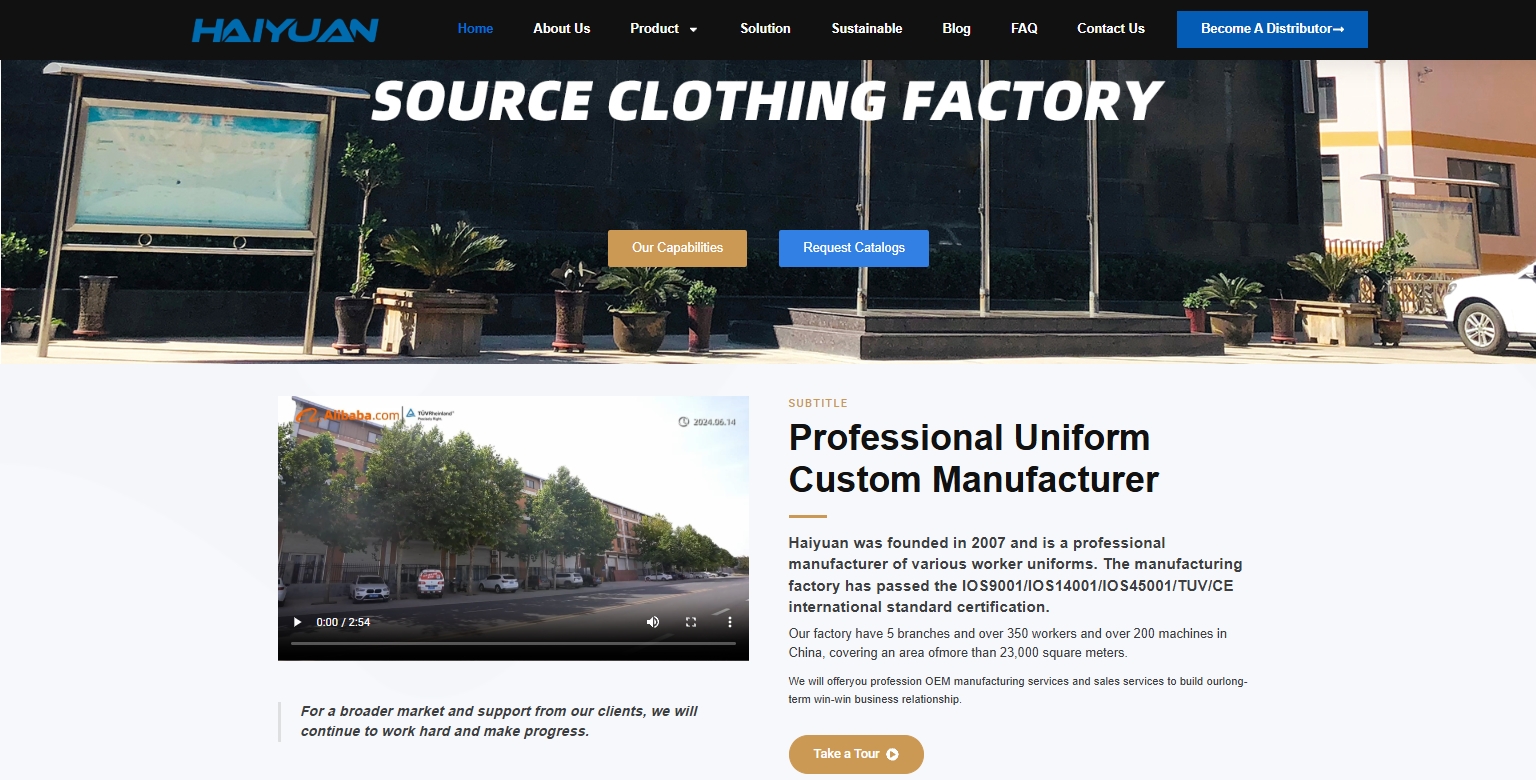
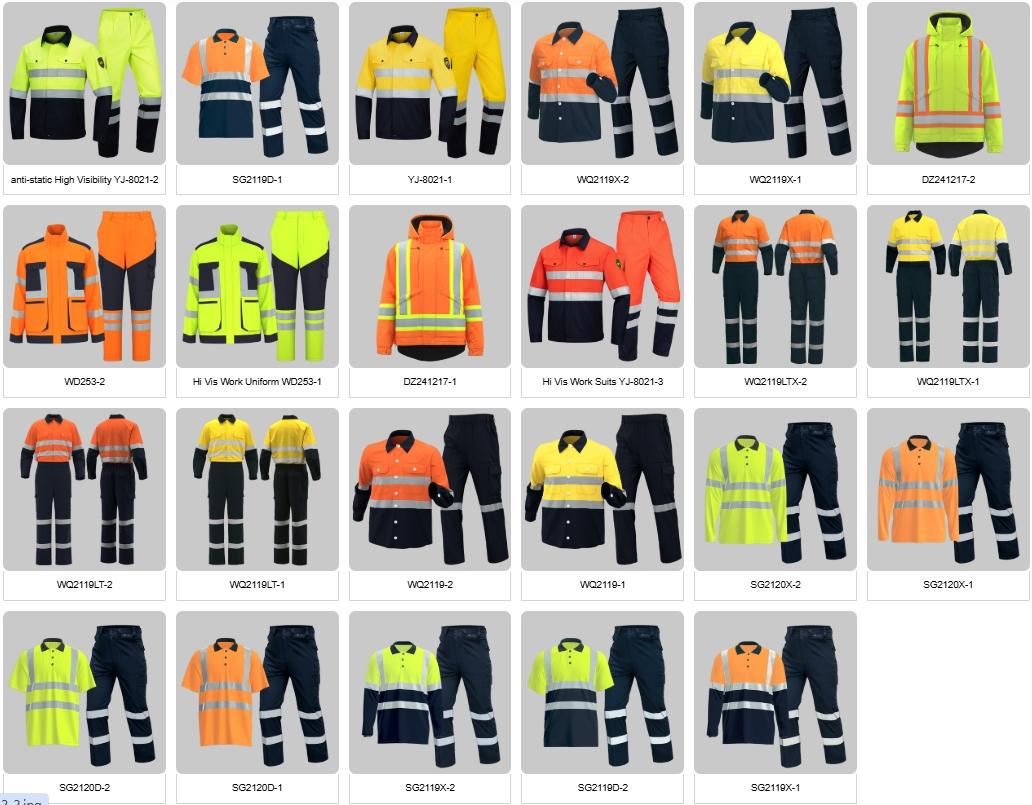
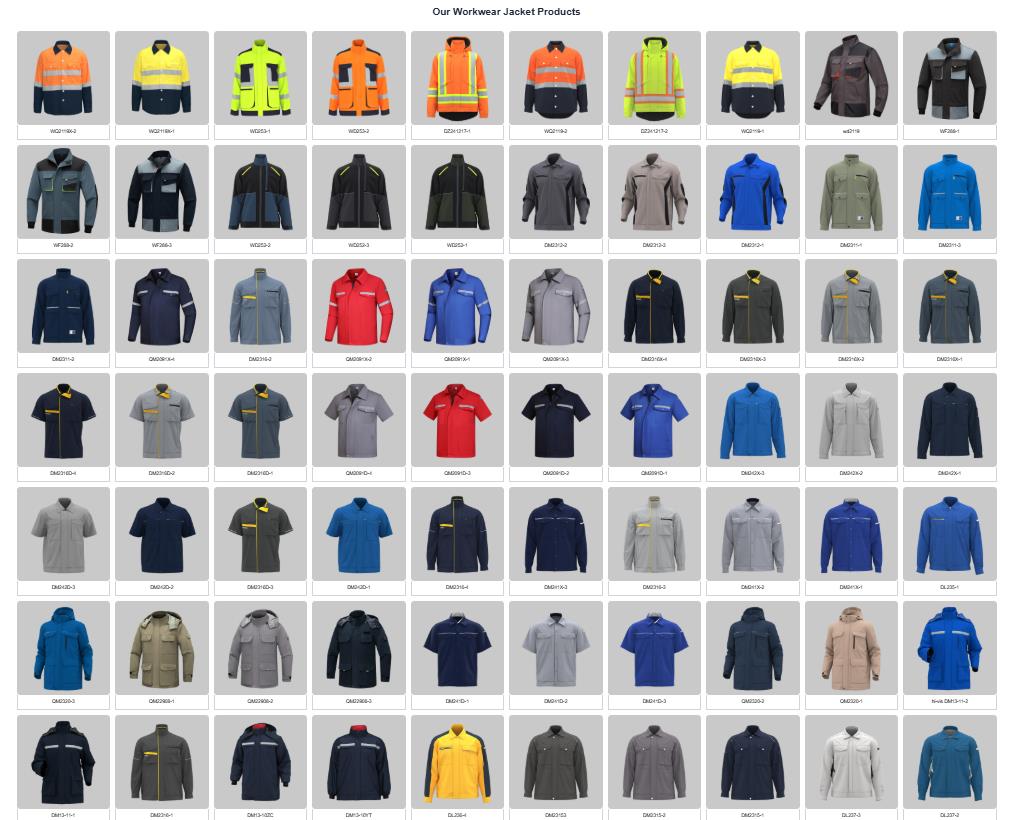
haiyuan clothing factory
Step 2: How to Find & Evaluate a Wholesale Website
Not all wholesale websites are created equal. Use these criteria to separate the professional distributors from the less reliable options.
A. Signs of a Reputable Wholesale Website:
-
Business Verification Required: A legitimate B2B site will ask for your Business License/Resale Certificate (Seller’s Permit) to open an account. This is a sign they protect their trade pricing.
-
Clear Net Pricing: Once logged in, you see the true wholesale cost without hidden fees.
-
Professional Design & UX: The site is easy to navigate, with robust search filters (by brand, color, size, fabric), detailed product pages, and a functioning mobile view.
-
Transparent Policies: Shipping costs, return procedures for defective goods, and contact information are clearly stated.
-
Physical Address & Contact: They list a verifiable warehouse/office location and offer customer support via phone, email, or live chat.
B. Critical Red Flags:
-
No business verification required for deep wholesale discounts.
-
Prices seem too good to be true (may indicate counterfeits, closeouts, or poor quality).
-
Vague or missing contact information.
-
Stock images only, with no photos of actual garments or tags.
Step 3: The Sourcing Process – A Step-by-Step Workflow
Follow this process to build a reliable supply chain.
Phase 1: Research & Shortlist
-
Search Keywords: Use terms like “blank apparel wholesale,” “[brand name] authorized distributor,” or “bulk t-shirts B2B.”
-
Create a Shortlist: Based on your needs from Step 1, identify 2-3 potential primary suppliers. Consider one major distributor (e.g., S&S Activewear, Alphabroder) for core items and one niche supplier for specialized products.
Phase 2: Account Setup & Initial Exploration
-
Prepare Your Documents: Have your business registration and Resale Certificate ready.
-
Apply for Accounts: Complete the online application for your shortlisted websites.
-
Explore the Platform: Familiarize yourself with their interface, pricing tiers, and shipping origins.
Phase 3: The Non-Negotiable Step – Ordering Samples
-
Never Skip This: Always order physical samples of the exact styles and colors you plan to sell.
-
Test Thoroughly: Check for fabric quality, stitching, fit/sizing accuracy, color vibrancy, and how the garment reacts to washing. If you decorate, test it with your printing or embroidery process.
-
This small investment prevents costly mistakes with bulk inventory.
Phase 4: Place a Pilot Order
-
Before committing to a massive order, place a smaller “test” order to evaluate the complete experience: order accuracy, packaging, shipping speed, and communication.
Phase 5: Build the Relationship
-
Once satisfied, establish your primary supplier. Consistent ordering can lead to better terms. Utilize their sales reps, tech support, and educational resources.
Step 4: Key Terminology & Concepts You Must Understand
-
MOQ (Minimum Order Quantity): The lowest number of units you can purchase. Can be per style, per color, or a total cart value.
-
Case Pack: The set quantity in which items are pre-packed (e.g., 6 shirts per case). Some sites only sell full case packs.
-
Net Terms: Payment terms like “Net 30,” meaning the invoice is due 30 days after shipment. Often extended to established accounts.
-
Cost-Plus/Freight: Understand your Landed Cost Per Unit: Item Cost + Shipping Fee + Any Taxes/Duties. This is your true cost for profitability calculation.
-
Stock Code/SKU: The unique identifier for each product variation. Essential for accurate ordering.
Step 5: Pro Tips for Success
-
Diversify Your Suppliers: Don’t rely on a single website. Have a primary and a backup supplier to mitigate stock outages.
-
Plan for Lead Times: Account for production and shipping time. Order restocks well before you run out.
-
Leverage Sales Representatives: Once you’re a customer, build a relationship with your account rep. They can notify you of promotions, price changes, and new products.
-
Use Technology: Many major distributors offer API integrations with popular decorator software (like Printavo, ShopWare) for seamless ordering.
-
Think Total Cost, Not Just Unit Price: A slightly higher unit cost from a supplier with cheaper/faster shipping and better service may be more profitable overall.
Final Checklist Before Your First Bulk Purchase
-
☐ I have verified the supplier is an authorized distributor for my desired brands.
-
☐ I have received and physically approved samples.
-
☐ I understand the total landed cost per unit.
-
☐ I have read the return policy for defective goods.
-
☐ The website’s shipping origin is logistically sensible for my business location.
By following this guide, you move from being a passive shopper to a strategic buyer. The right apparel wholesale website is more than just a storefront; it’s a key partner in your business’s growth.