
Best Chemical Resistant Coatings for Workwear: Ultimate Protection for Hazardous Environments
In industries where exposure to aggressive chemicals is a daily reality, ordinary workwear simply isn’t enough. Chemical resistant coatings for workwear form a critical barrier, protecting workers from spills, splashes, and aerosols that can cause severe injury or long-term health issues. Selecting the right coating technology is not just about compliance—it’s a fundamental aspect of workplace safety. This guide explores the best chemical resistant coatings used in protective workwear, helping you make an informed decision for your team’s safety.
Why Chemical Resistant Coatings Are Non-Negotiable
Chemical resistant workwear acts as the first line of defense. Without it, workers handling acids, solvents, alkalis, or oils are at direct risk of skin burns, respiratory problems, and systemic toxicity. High-performance coatings transform standard fabrics into impermeable or highly resistant shields, significantly reducing the risk of chemical penetration and injury.
Top Chemical Resistant Coating Technologies for Workwear
-
Epoxy-Based Coatings
Known for exceptional adhesion and resistance to a wide range of chemicals—especially acids, alkalis, and solvents—epoxy coatings create a hard, durable barrier. Workwear with epoxy coatings is ideal for environments involving persistent chemical exposure, such as in pharmaceutical manufacturing or industrial cleaning. -
Polyurethane (PU) Coatings
Polyurethane coatings offer excellent flexibility and abrasion resistance alongside strong chemical protection. They are particularly effective against oils, fuels, and many organic solvents. PU-coated garments are valued for maintaining wearer mobility without compromising safety, making them suitable for automotive and mechanical maintenance roles.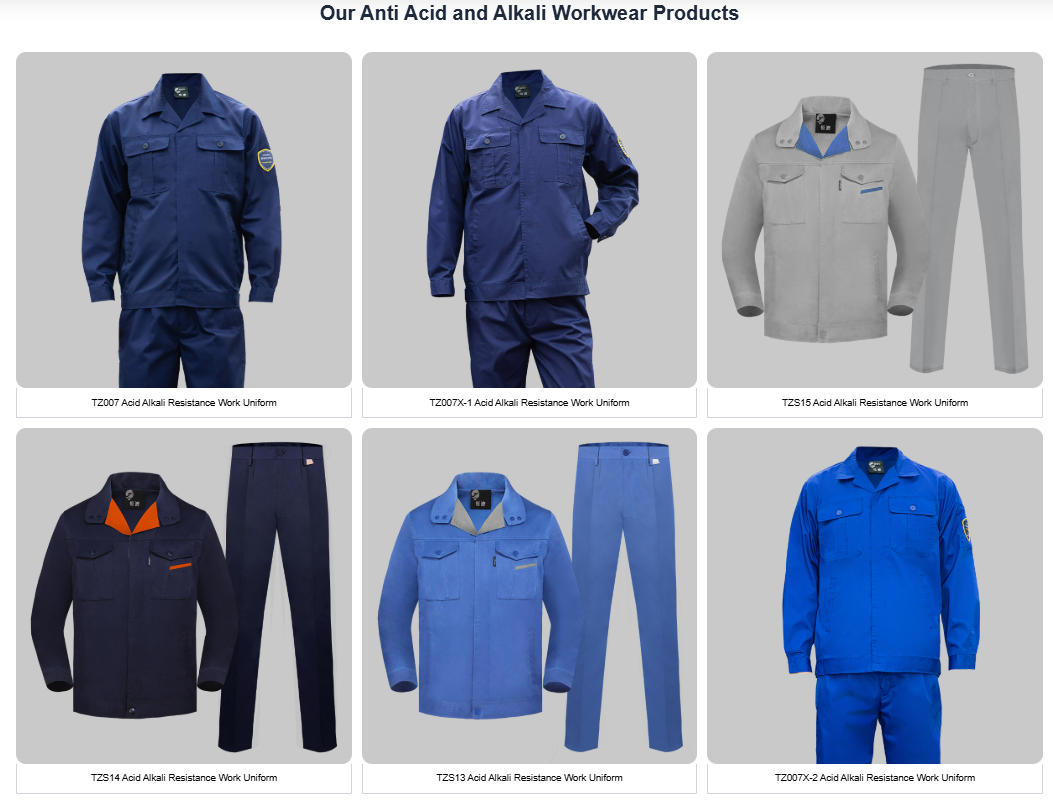
acid alkali resistance work uniform -
Fluoropolymer Coatings (e.g., Teflon®-based)
Fluoropolymer coatings provide superior resistance to harsh chemicals and high temperatures. They also offer outstanding non-stick and anti-contamination properties, simplifying decontamination. This coating is a premium choice for sectors like chemical processing and laboratories dealing with highly corrosive substances. -
Chlorinated Rubber Coatings
A traditional but effective solution, chlorinated rubber coatings deliver strong resistance to acids, alkalis, and oxidizing agents. They are often used in workwear for the mining, water treatment, and chemical handling industries due to their proven track record and cost-effectiveness.
Introducing Specialized Acid and Alkali Resistant Workwear
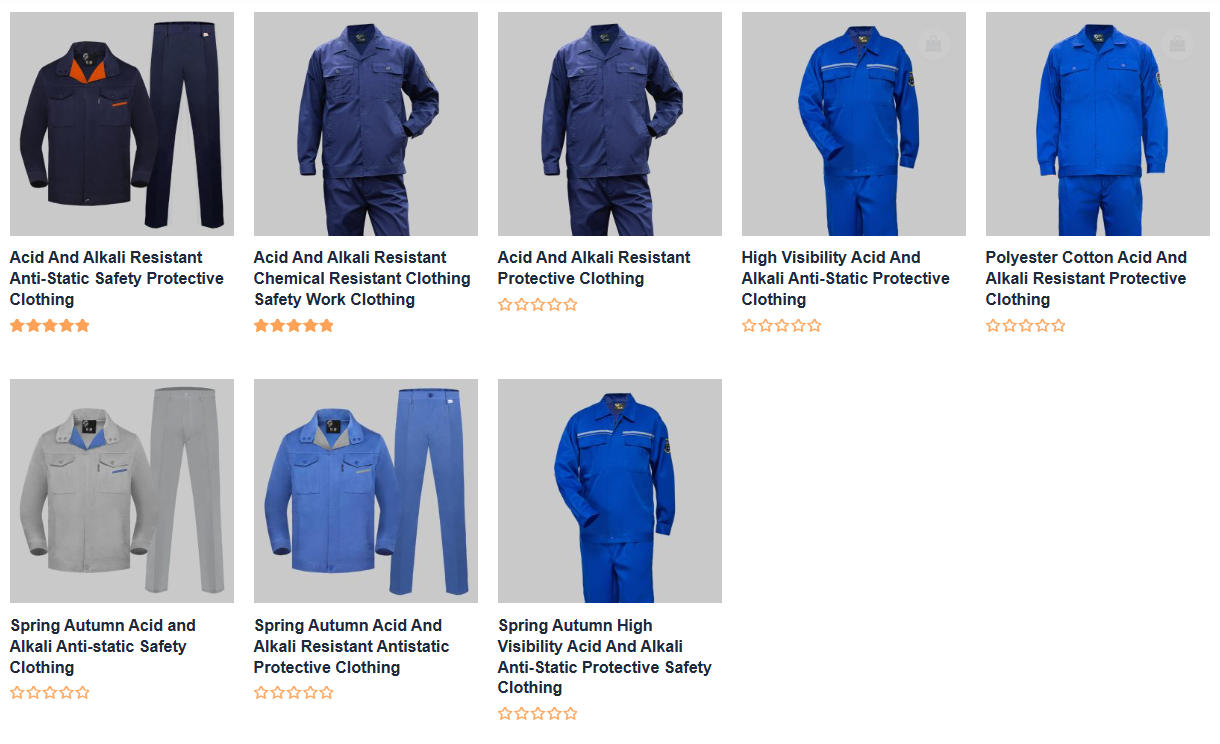
While coatings provide a surface barrier, some environments demand workwear constructed from inherently resistant materials. For comprehensive protection against corrosive liquids, Acid and Alkali Resistant Workwear is engineered at the fabric level.
This specialized workwear is primarily made from acid-resistant fibrous fabrics, such as polyester or polyester-cotton blends. These fabrics undergo chemical finishing processes that permanently enhance their acid and alkali resistance. The result is a garment that is not only protective but also breathable, soft, and lightweight.
Key features include:
-
Chemical Protection: Treated with anti-acid and alkali technology to repel, resist penetration, and provide a barrier against corrosive substances.
-
Comfort & Durability: Fully processed fabric ensures comfort, breathability, and resistance to wear, fading, shrinkage, and pilling.
-
Static Control: Incorporates high-performance conductive fibers to uniformly dissipate static electricity, offering superior safety compared to traditional anti-static workwear.
Performance & Standards:
True acid and alkali resistant fabric must meet rigorous technical indicators. This includes a minimum 90% acid repellency and acid penetration resistance times often exceeding 30 minutes (against 80% sulfuric acid). Reputable products comply with national standards like GB 24540-2009 or international equivalents such as EN 13034. Additional metrics, like acid-resistant penetration pressure (≥15 kPa) and acid repellency efficiency (≥90%), ensure the fabric maintains its integrity and strength even after potential exposure.
Choosing the Right Workwear: A Quick Guide
-
Assess the Hazard: Identify the specific chemicals, their concentrations, and the type of exposure (e.g., splash vs. vapor).
-
Check Certifications: Ensure the workwear meets relevant industry standards (e.g., ISO, EN, GB, ANSI) for chemical resistance.
-
Prioritize Comfort & Fit: Protective wear that is uncomfortable or ill-fitting is less likely to be worn correctly. Look for ergonomic designs.
-
Consider Durability & Care: Evaluate the garment’s expected lifespan and decontamination procedures under your working conditions.
Conclusion
Investing in the best chemical resistant coatings for workwear is an investment in human capital, operational continuity, and regulatory compliance. Whether you opt for advanced coated fabrics or specialized acid-resistant constructed garments, the key is to match the protection level to the precise hazard. By understanding coating technologies and material science, safety managers can create a safer, more resilient workforce capable of operating confidently in hazardous environments.
References & Further Reading:
-
OSHA Technical Manual (OTM) – Personal Protective Equipment.
-
ISO 16602:2007 – Classification for chemical protective clothing.
-
GB 24540-2009 – Chinese national standard for protective clothing against acids and alkalis.
-
EN 13034:2005+A1:2009 – European standard for performance requirements for chemical protective clothing offering limited protective performance against liquid chemicals (Type 6 equipment).
-
“Chemical Protective Clothing” – NIOSH (National Institute for Occupational Safety and Health) guidelines.
-
Manufacturer technical data sheets from leading PPE producers (e.g., DuPont™ Tyvek®, 3M™, Lakeland Industries).