
Excellent! This is a well-defined niche with strong demand. Let’s break down everything you need to know about being or sourcing from a blank workwear wholesaler.
What is a Blank Workwear Wholesaler?
They are businesses that sell unbranded, blank work apparel (t-shirts, polos, hoodies, coveralls, safety gear, etc.) in bulk quantities, primarily to:
-
Decorators: Screen printers, embroidery shops, uniform companies.
-
Resellers/Brands: Companies that add their logo and resell as branded uniforms.
-
Large End-Users: Corporations, factories, or service businesses that buy in volume for internal use, sometimes to decorate themselves.
-
Promotional Product Distributors.
Their core value is volume pricing, consistent quality, and reliable logistics on core workwear items.
Key Product Categories for a Wholesaler to Stock
-
Knits & Basics: Heavy-duty t-shirts, polo shirts, sweatshirts, hoodies.
-
Woven Shirts: Work shirts (button-downs), chef coats, lab coats.
-
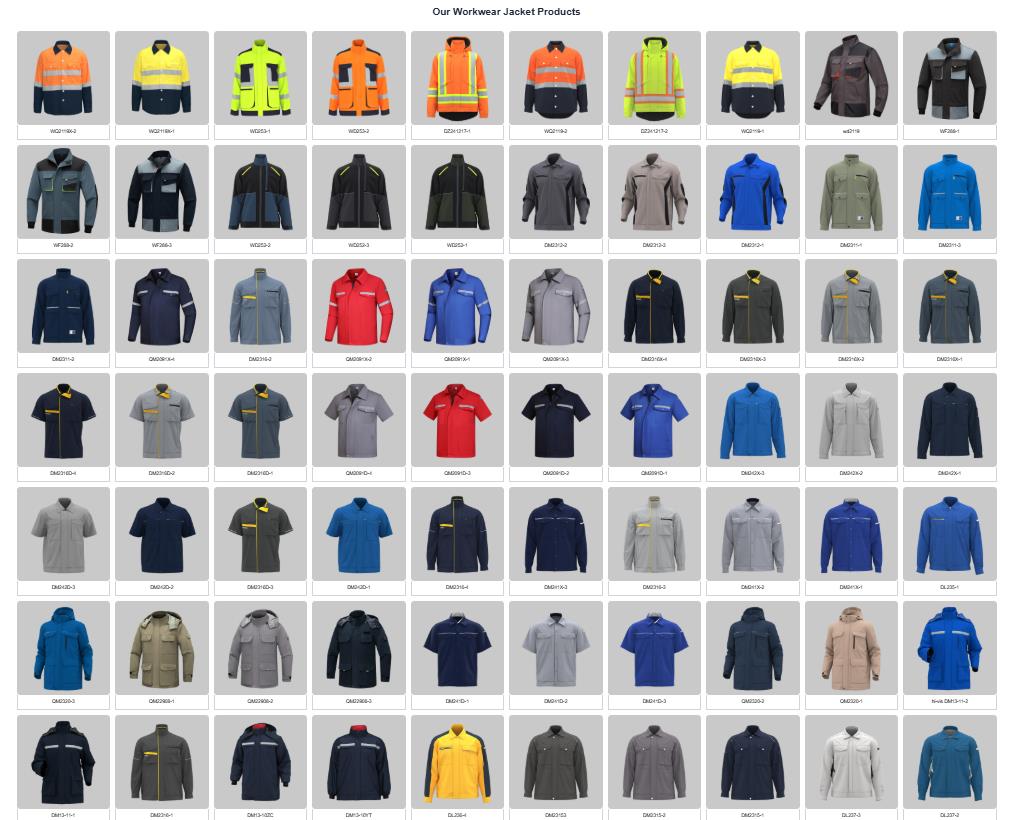
Outerwear: Hi-vis safety vests & jackets, rain gear, winter jackets, insulated wear.
-
Pants & Coveralls: Denim, canvas, twill pants; disposable and reusable coveralls.
-
Headwear & Accessories: Beanies, caps, bump caps, neck gaiters.
-
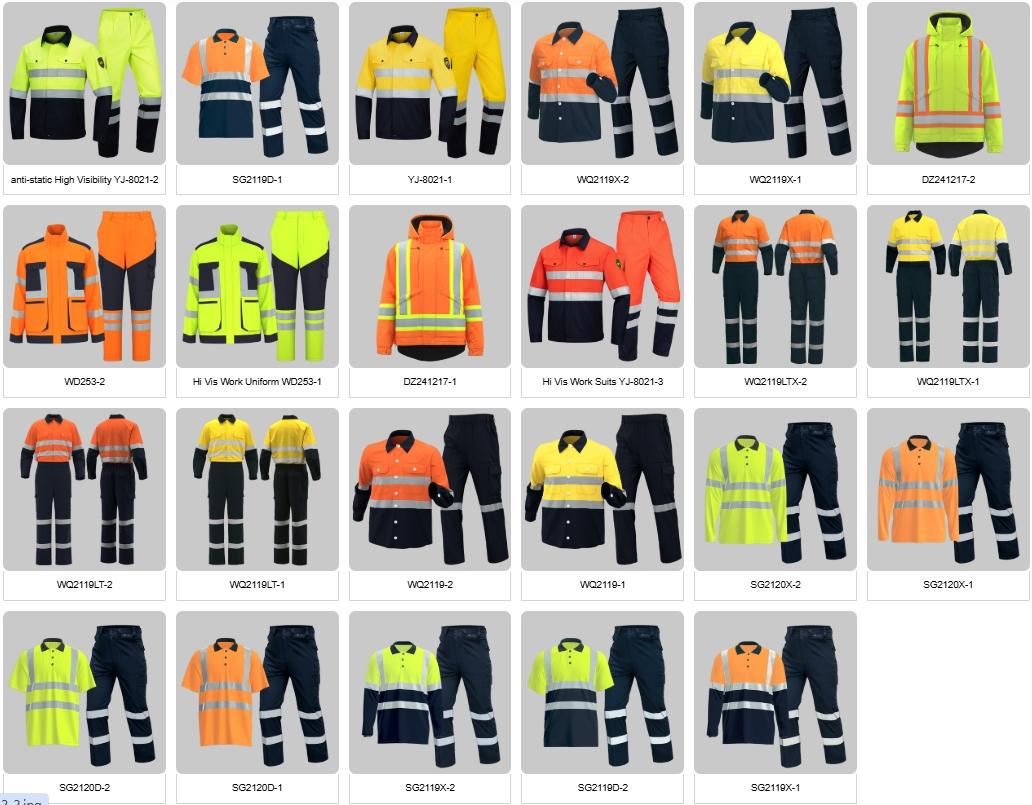
Safety Gear: Hi-vis ANSI/ISO certified apparel, flame-resistant (FR) clothing.
How to Find Reliable Blank Workwear Wholesalers
1. Major National/International Wholesalers (U.S. Focused)
These are giants with huge inventories and distribution networks.
-
S&S Activewear: The absolute leader for decorators. Massive catalog, strong online platform (ssactivewear.com).
-
Alpha Broder: Another titan, directly competing with S&S (alphabroder.com).
-
SanMar: Known for quality brands and strong customer service (sanmar.com).
-
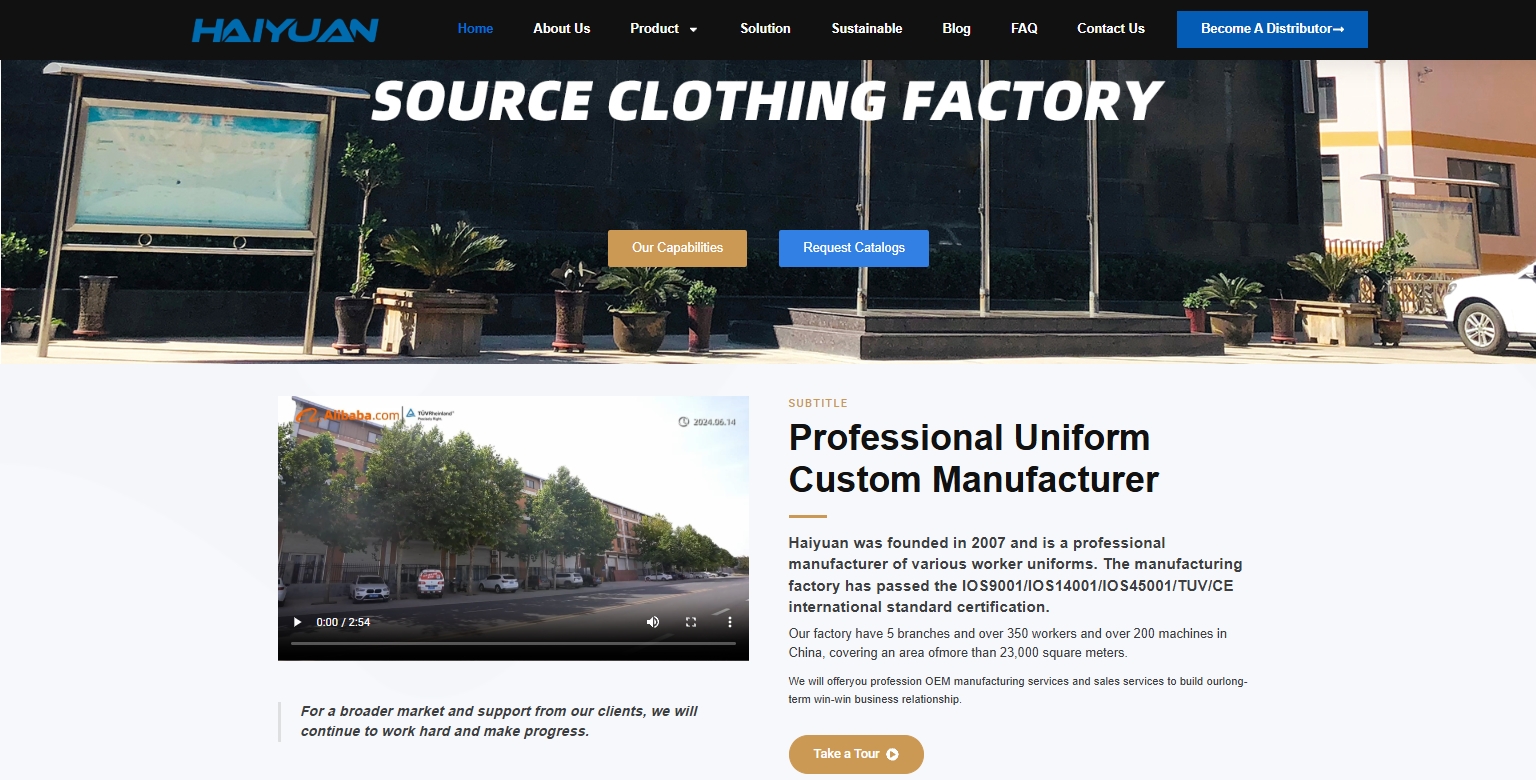
Haiyuan (Workwear & Safety Division): Specializes in uniform and safety apparel (haiyuanworkclothes.com).
-
Red Kap (by VF Imagewear): A major manufacturer that also wholesales their own branded workwear.
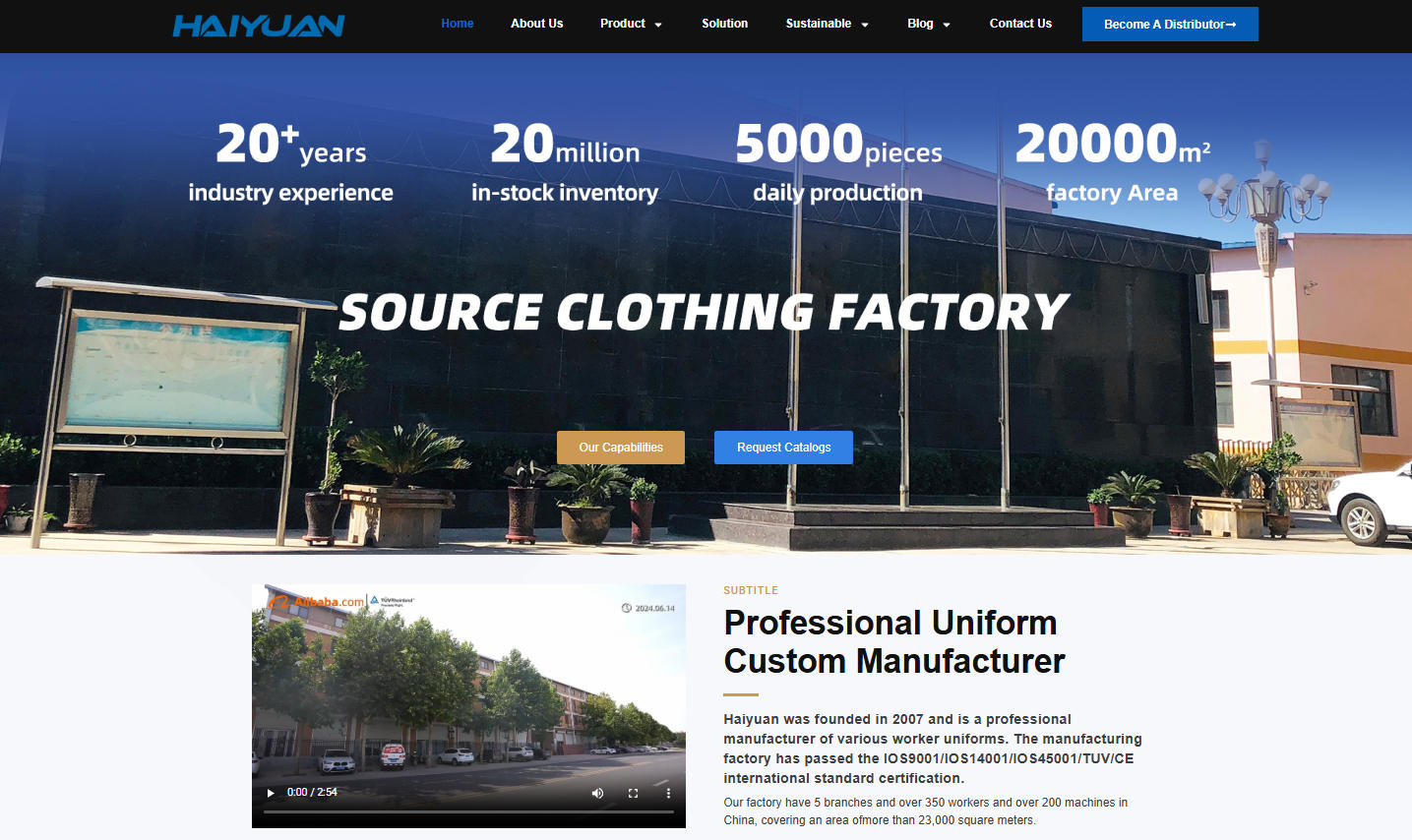
haiyuan clothing factory
2. Regional or Specialized Wholesalers
-
Search for “workwear distributor [your state/region].”
-
Safety Specialist Wholesalers: Companies focusing solely on ANSI, FR, and PPE.
-
Restaurant/Hospitality Specific: Wholesalers carrying mostly chef wear and hotel uniforms.
3. Manufacturers Who Sell Direct/Wholesale
-
Many brands like Carhartt, Dickies, Bulwark (FR), Ariat have industrial sales divisions that will sell large quantities directly or through authorized distributors.
-
Import/Private Label Manufacturers: Sources from countries like Pakistan, China, Bangladesh (found via Alibaba, TradeKey). This requires larger minimums, quality control, and logistics handling.
4. Online B2B Marketplaces
-
Alibaba.com: For connecting directly with overseas manufacturers.
-
Faire.com: Now carries some wholesale workwear/basic brands for smaller retailers.
Checklist for Choosing a Wholesaler
-
Minimum Order Quantity (MOQ): Is it per style, per order? Can you mix items?
-
Pricing Tiers: What volume do you need to hit for the best price?
-
Shipping Costs & Speed: Where are their warehouses? What are freight terms?
-
Brand Portfolio: Do they carry the recognized brands (Carhartt, hyys etc.) your customers want, plus reliable value brands?
-
Stock Reliability: Do they consistently have inventory, or are items often backordered?
-
Terms: Do they offer net-30 payment terms, or is payment upfront?
-
Customer Service & Platform: Is ordering easy via website, EDI, or sales rep?
If You Want to START a Blank Workwear Wholesaling Business
-
Define Your Niche: Will you specialize in FR clothing, restaurant wear, general industrial, or hi-vis? Competing directly with S&S on everything is tough.
-
Secure Capital: You need significant upfront capital to buy container-loads of inventory and warehouse it.
-
Find Suppliers: Establish relationships with manufacturers (domestic or overseas). Attend trade shows like The MAGIC Show or A+A (for safety).
-
Set Up Logistics: Lease warehouse space, set up inventory management (software like Fishbowl, NetSuite), and establish shipping accounts (FedEx, UPS Freight, LTL carriers).
-
Legal & Business: Form an LLC, get a tax ID, obtain liability insurance (especially important for safety gear).
-
Sales Channels: Build a simple B2B website with login/pricing tiers. Hire sales reps to call on decoration shops and large end-users. Consider online ads (Google Ads targeting “blank workwear bulk”).
Key Considerations & Trends
-
E-commerce is Non-Negotiable: Your wholesale customers expect a 24/7 ordering portal.
-
Sustainability: Growing demand for recycled materials (like polyester from bottles) in workwear.
-
Comfort & Innovation: Stretch fabrics, moisture-wicking, and lighter-weight durable materials are selling points.
-
Domestic Sourcing Appeal: Some buyers pay a premium for “Made in USA” workwear for faster turnaround or marketing.
Summary Table: Wholesaler vs. Manufacturer
| Feature | Wholesaler/Distributor | Direct Manufacturer |
|---|---|---|
| MOQ | Lower, more flexible (e.g., 12-72 pieces per style) | Very high (container loads, 1000s of pieces) |
| Variety | Many brands & products under one roof | Only their own products |
| Lead Time | Fast (items in stock domestically) | Very long (especially if importing) |
| Service | Customer support, easy returns, sales reps | Limited, transaction-focused |
| Best For | Most decorators, resellers, starting businesses | Large-volume buyers, creating private label |
Final Advice: Whether you’re buying or starting a business, relationships are key. Build a strong relationship with a few key wholesalers. For starting out, many small businesses begin by dropshipping from a major wholesaler to test the market before holding significant inventory.
Is there a specific aspect of this business you’d like to explore deeper?