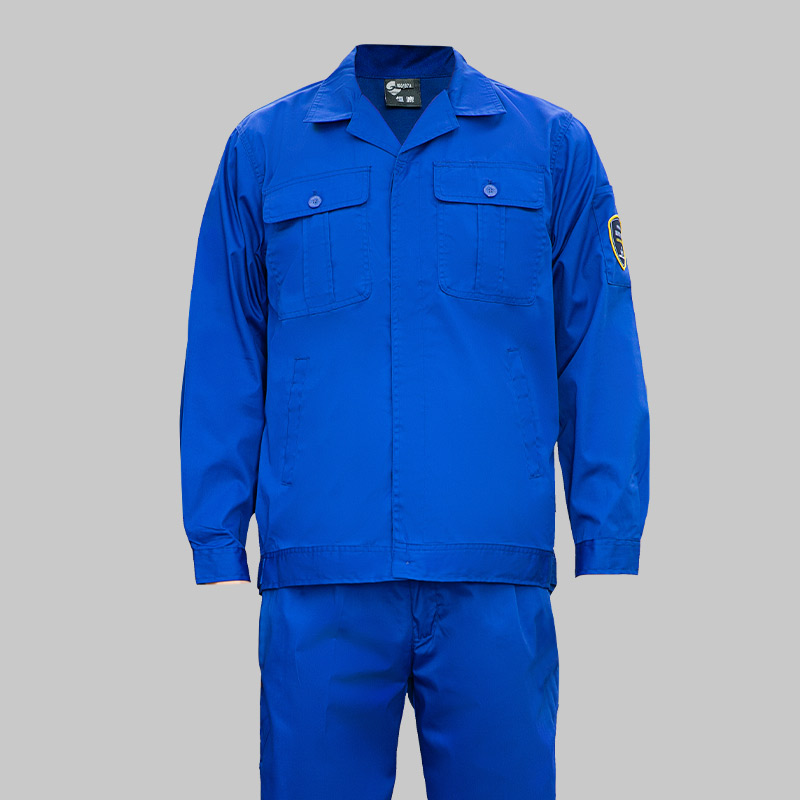

In workplaces where chemical hazards are present, from industrial manufacturing and laboratories to cleaning and maintenance operations, protecting the torso and arms is paramount. A chemical resistant jacket is not merely an accessory; it is a critical piece of Personal Protective Equipment (PPE) designed to shield the wearer from harmful splashes, spills, and airborne particulates. Choosing the right jacket can mean the difference between a safe workday and a serious injury. This comprehensive guide will help you understand the types, features, and standards to consider when selecting the optimal chemical resistant jacket for your needs.
Why a Specialized Chemical Resistant Jacket is Crucial
Ordinary jackets or even standard workwear can absorb chemicals upon contact, holding them against the skin and prolonging exposure, which leads to burns, irritation, or systemic toxicity. A purpose-built chemical resistant jacket acts as a barrier, preventing hazardous substances from reaching the skin. It is the first line of defense for the core upper body, protecting vital organs and a large surface area of skin.
Key Types of Chemical Resistant Jackets
-
Material-Based Types:
-
PVC/Nitrile Coated Jackets: Offer excellent protection against a broad range of acids, alkalis, salts, and fats. They are typically waterproof, durable, and easy to clean. Ideal for heavy-duty environments like chemical handling and wastewater treatment.
-
Fluoropolymer (e.g., Tychem®) Jackets: Provide superior protection against highly toxic and hazardous chemicals, including complex organic compounds and vapors. These are often used in petrochemical, pharmaceutical, and emergency response (HAZMAT) scenarios.
-
Polyurethane (PU) Coated/Laminated Jackets: Balance good chemical resistance (especially to oils and many solvents) with enhanced breathability and flexibility, improving wearer comfort during prolonged use in settings like automotive or mechanical work.
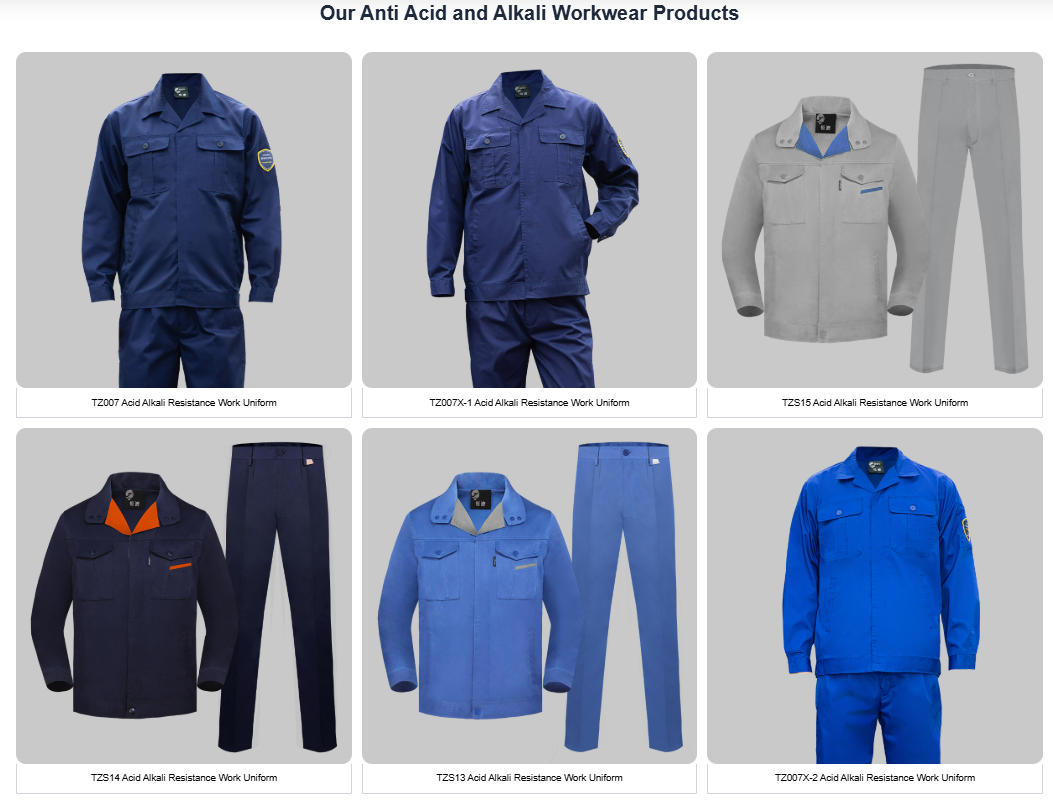
acid alkali resistance work uniform
-
-
Design & Coverage Types:
-
Sleeved Jackets & Coats: Provide full upper body and arm protection. Options range from waist-length to full-length lab coats or industrial coats.
-
Apron-style Jackets/Sleeved Aprons: Combine a full jacket front with open-back design for maximum protection where the hazard is primarily frontal, often improving ventilation.
-
Disposable vs. Reusable: Disposable jackets (e.g., lightweight polyethylene or polypropylene laminate) are for short-term, low-hazard tasks or contamination control. Reusable jackets are constructed from heavier, durable materials for long-term use in defined chemical environments.
-
Essential Features to Look For
-
Sealed Seams: Critical for preventing liquid ingress through stitch holes. Look for ultrasonically welded, taped, or chemically sealed seams.
-
Secure Closures: Robust zippers with storm flaps, snap fasteners, or Velcro® ensure no gaps at the front.
-
Compatibility: The jacket should be compatible with other PPE, such as allowing gloves to be taped or sealed over the cuff and accommodating safety goggles or respirators.
-
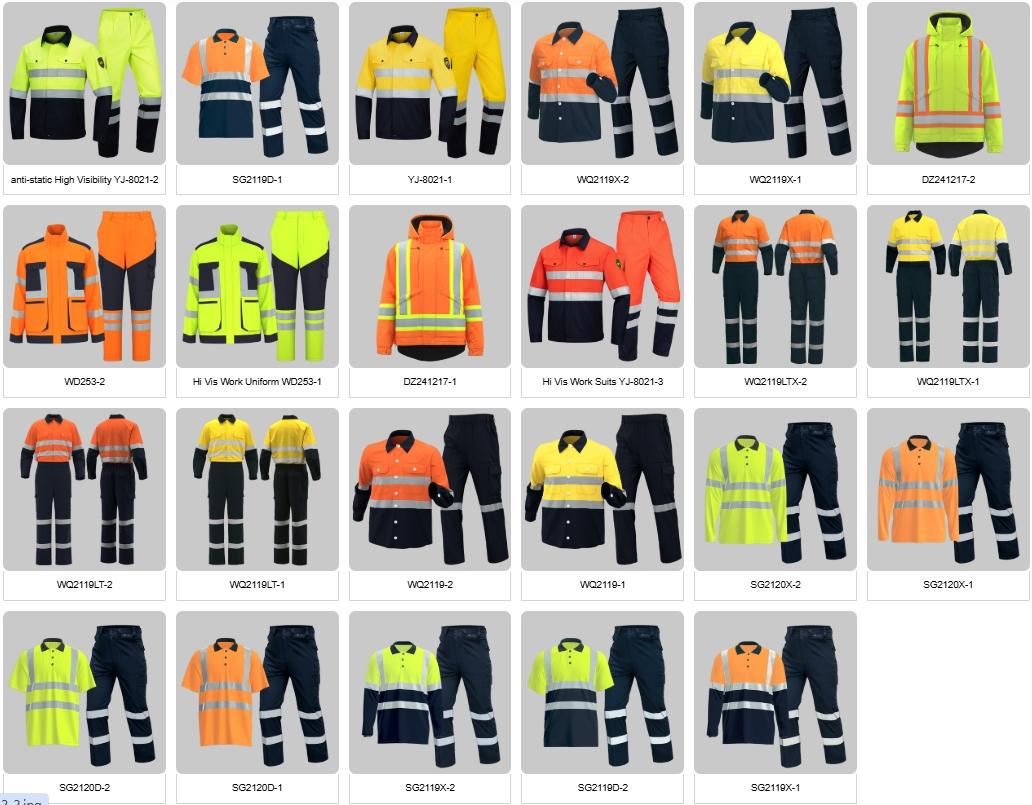
Visibility: High-visibility strips (compliant with EN ISO 20471) are vital for workers in low-light or high-traffic areas.
-
Durability & Ease of Decontamination: The material must withstand physical stress and be easily cleanable without degrading its protective properties.
Choosing the Right Jacket: A Step-by-Step Approach
-
Conduct a Risk Assessment: Identify the specific chemicals, their concentrations, physical state (liquid, vapor, mist), and the nature of the task (potential for splash, immersion, or light spray).
-
Match Material to Hazard: Consult the jacket manufacturer’s chemical resistance guide. No single material resists all chemicals—compatibility is key.
-
Verify Certifications: Ensure the jacket meets relevant safety standards for its intended use. Common standards include:
-
EN 14605 (Type 3 & 4): For protection against liquid chemicals (jet/spray and full immersion, respectively).
-
EN 13034 (Type 6): For limited protection against light chemical spray.
-
EN ISO 13982-1 (Type 5): For protection against airborne solid particulates.
-
ANSI/ISEA and ASTM Standards in North America.
-
-
Ensure Proper Fit: A jacket that is too tight may tear, while one too loose can snag on equipment. It must allow for comfortable movement and layering over other clothing.
For Targeted Protection Against Corrosives: Acid and Alkali Resistant Workwear
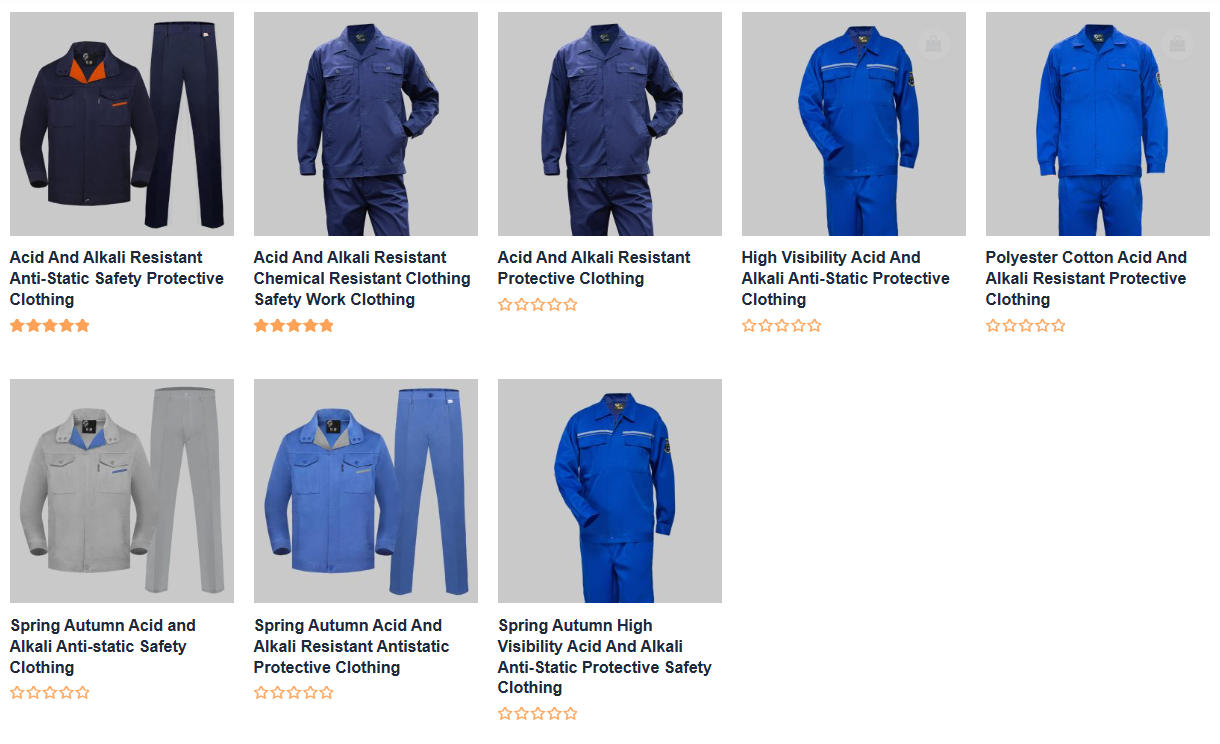
When the primary hazard involves concentrated corrosive substances like sulfuric acid or sodium hydroxide, a standard chemical resistant jacket may be supplemented or replaced by a more specialized solution. Dedicated Acid and Alkali Resistant Workwear is engineered from the fabric up for this extreme environment.
This category of workwear utilizes fabrics primarily made from acid-resistant fibers like polyester or polyester-cotton blends. Through advanced chemical finishing processes, these fabrics gain a permanent enhancement in acid and alkali resistance, resulting in garments that are breathable, soft, and lightweight without sacrificing protection.
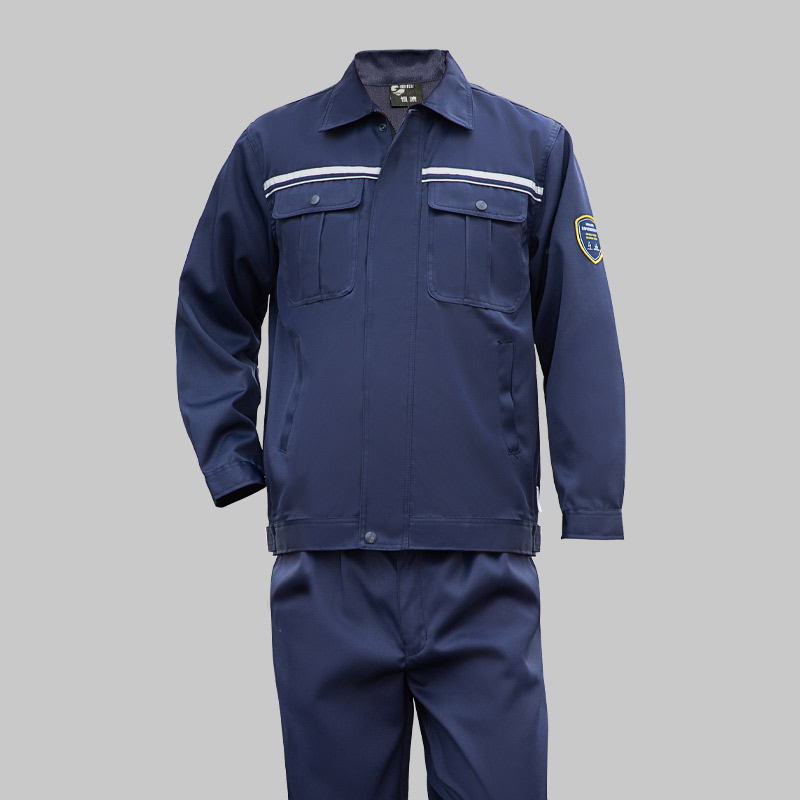
Key Characteristics of this Workwear:
-
Advanced Barrier: Treated with anti-acid/alkali technology to repel, resist penetration, and protect against corrosive liquids.
-
User Comfort & Durability: The fully processed fabric ensures comfort, excellent breathability, and resistance to abrasion, fading, shrinkage, and pilling.
-
Integrated Static Control: Incorporates high-performance conductive fibers to dissipate static electricity safely and effectively, surpassing traditional anti-static garments.
Performance Benchmarks:
True acid and alkali resistant fabric must meet stringent technical criteria. This includes a minimum acid repellency rate of 90% and acid penetration resistance times often exceeding 30 minutes when tested with 80% sulfuric acid. Reliable products comply with stringent standards such as GB 24540-2009 (China) or EN 13034 (Europe). Further metrics like acid-resistant penetration pressure (≥15 kPa) and acid repellency efficiency (≥90%) guarantee that the fabric maintains its strength and integrity even after potential exposure.
Conclusion
Selecting the right chemical resistant jacket is a critical safety decision that requires careful analysis of workplace hazards, material compatibility, and ergonomic needs. From lightweight disposable options for incidental exposure to heavy-duty reusable jackets for sustained chemical handling, the correct choice provides indispensable protection. For environments dominated by corrosive acids and alkalis, investing in specialized acid and alkali resistant workwear offers a higher, fabric-inherent level of security designed for the specific challenge, ensuring worker safety, compliance, and peace of mind.
References & Further Reading:
-
OSHA Standard 1910.132 – Personal Protective Equipment, General Requirements.
-
EN 14605:2005+A1:2009 – Protective clothing against liquid chemicals.
-
EN 13034:2005+A1:2009 – Protective clothing against liquid chemicals (Type 6).
-
GB 24540-2009 – Chinese national standard for protective clothing against acids and alkalis.
-
NIOSH (National Institute for Occupational Safety and Health) – “Chemical Protective Clothing” Guidance.
-
Manufacturer technical data sheets and chemical resistance guides from leading PPE manufacturers (e.g., DuPont Personal Protection, 3M, Ansell, Kimberly-Clark Professional).