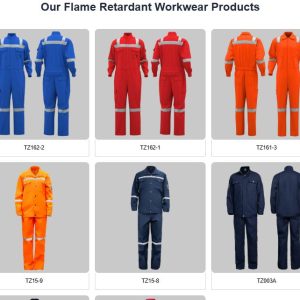
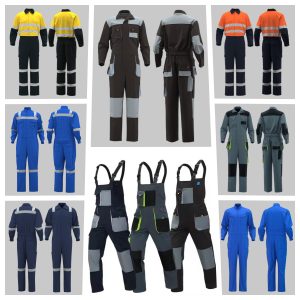
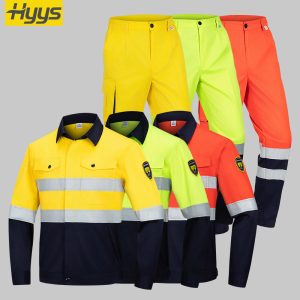
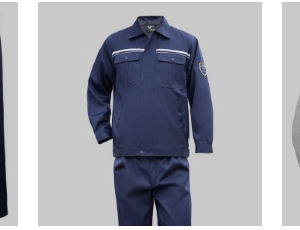
High-visibility (hi-vis) clothing is one of the most critical pieces of personal protective equipment (PPE) your team can wear. Whether you manage a construction crew, warehouse team, transportation fleet, or emergency service, hi-vis garments ensure workers remain visible in high-risk environments, preventing accidents and saving lives. However, the effectiveness of hi-vis gear depends greatly on how it is used, maintained, and replaced over time.
Dirty or faded gear can reduce detection distance by up to 50%, while properly maintained hi-vis safety apparel can make workers visible from up to 1,280 ft. Studies have recorded over 123,000 nonfatal “contact with object or equipment” injuries in private construction—and compromised visibility is a contributing factor.
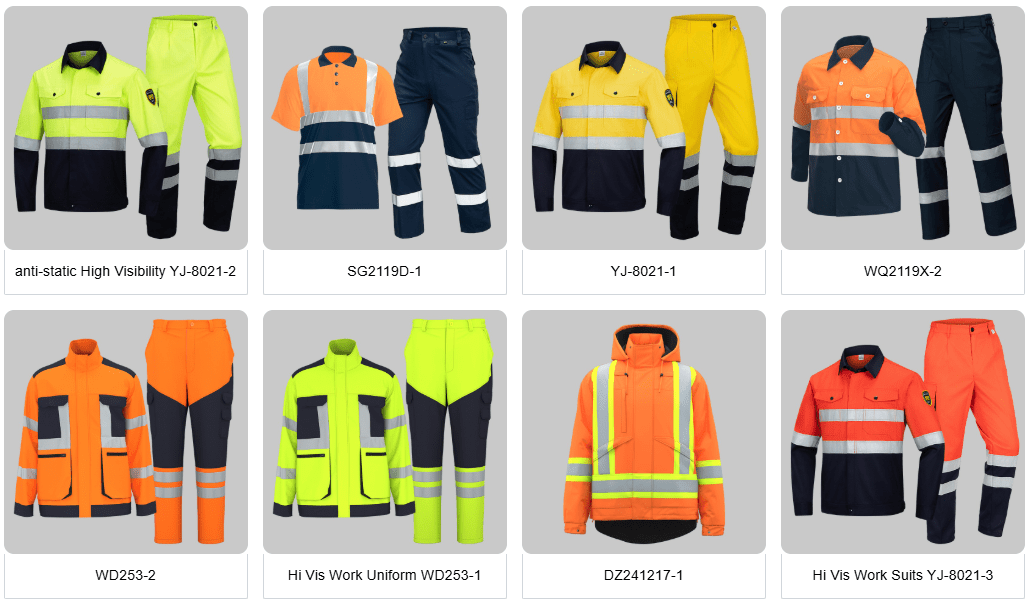
This comprehensive guide covers everything you need to know: how to wear hi-vis clothing correctly, how to wash and dry it without damaging reflective properties, how to inspect for damage, when to replace it, and how to store it properly to extend its service life.
Part 1: Understanding Why Hi-Vis Care Matters
Hi-vis clothing relies on two key components that work together to keep workers visible and safe in all light conditions: fluorescent fabric and reflective tape.
Fluorescent Fabric
Fluorescent fabric—typically in high-visibility lime or orange—enhances daytime visibility and is designed to reflect light efficiently. Hi-vis fabrics use special dyes that absorb ultraviolet light and re-emit it as visible light, creating that distinctive bright glow. However, this performance reduces gradually with use: UV exposure, washing, dirt, abrasion, and general wear all contribute to the degradation of hi-vis fabrics.
Over time, UV exposure causes fluorescent colours to fade, putting workers at risk. Deeply embedded grease and grime are not just cosmetic issues; they cover the fluorescent fibers, effectively turning off daytime visibility.
Reflective Tape
Reflective tape improves visibility in low light and at night. The tape contains microscopic glass beads or prisms that “bounce” light back to its source (such as oncoming car headlights). Every time a garment is laundered, these tiny elements can crack or detach. Once these elements degrade, the tape loses its ability to reflect light properly, and the worker may become invisible in low-light conditions.
Industry Standards and Compliance
Genuine hi-vis workwear conforms to international standards such as EN ISO 20471:2013 (Europe and international) or ANSI/ISEA 107 (USA). These standards set out minimum amounts of fluorescent and retro-reflective material a garment must contain, as well as where those materials must be placed for maximum visibility. The fluorescent fabric is required to maintain its fluorescent properties even after a number of washing cycles, and reflective material must retain its reflective properties even after washing.
Most ANSI-compliant vests are rigorously tested and rated for approximately 25 to 50 wash cycles. The number of washes on the label states the number of washes the garment has been tested to without losing its safety properties. Under UK health and safety law, employers must maintain PPE in efficient working order and replace it when it no longer provides protection.
Part 2: How to Wear Hi-Vis Clothing Correctly
Even the highest-quality hi-vis clothing loses effectiveness when worn improperly. To ensure that hi-visibility clothing remains fully compliant and at its maximum effectiveness, it should always be worn as intended.
Proper Wearing Rules
-
Garments should always be worn fastened. Hi-vis vests and jackets should be worn with all closures done up—never tied around the waist.
-
Garments should always be clean. Dirty gear compromises colour and reflective tape visibility.
-
All reflective tape should be on full display while the garment is being worn. Nothing should be pinned, patched, or worn over it.
-
Never cover hi-vis garments, either fully or partially. Hi-vis vests must be worn as the outermost layer.
-
Size matters. Garments must fit correctly—not so oversized that they get in the way of performing tasks or cause an accident, and not so tight that they restrict movement.
Common Mistakes to Avoid
-
Leaving zippers, velcro, or snap closures unfastened.
-
Wearing bulky jackets over hi-vis vests, which blocks reflective areas.
-
Adding unauthorized patches, stickers, or decorations that cover reflective material.
-
Tucking vests inside other clothing layers.
Pro Tip: Consider implementing daily safety checks where supervisors verify proper hi-vis clothing usage before work begins.
Part 3: How to Wash Hi-Vis Clothing Safely
Proper washing techniques are essential to preserve fabric integrity and reflective properties. When hi-vis clothing becomes dirty, its visibility is compromised—which means it may no longer protect workers in low levels of light. Incorrect washing can:
-
Fade fluorescent colours
-
Crack or peel printed logos
-
Damage embroidery threads
-
Reduce reflectivity of safety strips
-
Shorten garment lifespan
Washing Frequency
The frequency depends on how often and where the garments are worn:
-
Heavy-duty use (construction, logistics, daily outdoor work): Wash after each use.
-
Light or indoor use: Wash every few wears or when visibly dirty.
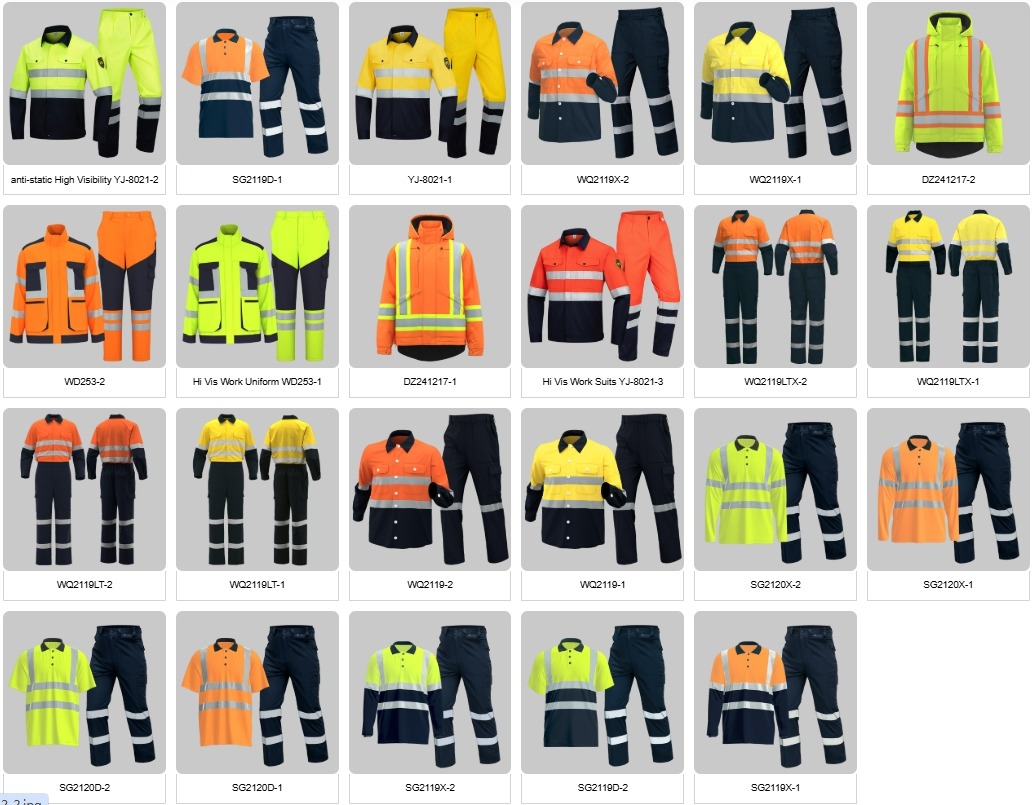
high visibility work clothing wholesale cost performance ranking
Step-by-Step Washing Instructions
Step 1 — Inspect the garment. Check for stains, damage, or loose threads before washing.
Step 2 — Prepare the garment. Close all fastenings—zip up and secure Velcro to avoid snags. For added protection, turn the garment inside out to protect reflective elements from direct agitation. This also ensures body odours and oils from the skin wash away more easily.
Step 3 — Pre-treat stains. Treat grease, oil, or stubborn marks with an appropriate spot cleaner that is marked as safe for bright colours and does NOT contain bleach. Gently dab the stained area with a clean cloth or sponge—avoid scrubbing vigorously, as this can damage the fabric or remove the reflective coating.
Step 4 — Choose the right detergent. Use a mild detergent without bleach, fabric softeners, phosphates, or optical brighteners. These chemicals attack the reflective backing of hi-vis gear and can create a film that reduces reflectivity. Never use fabric softener—it plugs up the pores of the garment, causing it to lose breathability and potentially compromising protective properties.
Step 5 — Select the correct temperature. Use cold or lukewarm water only (maximum 30°C / 86°F). Fluorescent dyes begin to degrade above 40°C, and higher temperatures soften the adhesive that bonds reflective tape, leading to lifting and delamination. Hot water breaks down reflective adhesives and can cause fabric shrinkage that affects garment fit and comfort.
Step 6 — Use a gentle cycle. Select a delicate or synthetic setting to reduce friction and wear on reflective strips. Do not overload the washing machine.
Step 7 — Wash similar garments together. Wash hi-vis items separately from personal clothes and from heavy denim, canvas, or other rough materials that can cause abrasion. A single wash together with a new pair of jeans can ruin the fluorescent colour forever–. Excess dirt and grease from other garments can embed in hi-vis fabrics, making complete cleaning more difficult.
Step 8 — Add an extra rinse. Ensure no detergent residue remains on the garment, as residue can attract dirt and reduce reflectivity.
What NOT to Do
-
NEVER use bleach — it is an absolute death sentence for hi-vis gear; it will instantly yellow the fabric and degrade reflective material–.
-
NEVER use fabric softener — it leaves residue on reflective tape, reducing its brightness and attracting dirt.
-
NEVER use heavy-duty degreasers or strong chemicals — exposure to high alkalinity can damage retro-reflective tape and cause it to disintegrate.
-
NEVER dry clean hi-vis clothing — the dry-cleaning chemicals will melt the reflective tape right off the fabric.
-
NEVER iron over prints or reflective tape — high heat can melt or distort them.
Part 4: How to Dry Hi-Vis Clothing
The way you dry your hi-vis gear directly impacts its effectiveness.
Air-Drying (Recommended)
Hang garments away from direct sunlight and heat sources. Ultraviolet rays from prolonged sun exposure cause colours to fade and reflective tape to deteriorate prematurely. Avoid wringing out garments, as this can damage embroidery and reflective tape-1. Ensure the garment is completely dry before use.
Machine Drying (If Necessary)
When machine drying becomes necessary:
-
Use the lowest heat setting available (or a no-heat option)
-
Remove items while slightly damp to prevent overdrying, which makes fabric brittle
-
Never use dryer sheets — they leave residue that reduces reflectivity and can attract dirt
-
Check garments frequently during the drying cycle
High temperatures cause shrinkage that affects fit, and poorly fitting safety gear compromises protection.
Part 5: How to Store Hi-Vis Clothing
Proper storage is the final step in maintaining hi-vis garment performance.
-
Store in a cool, dry place away from direct sunlight to prevent fading and material degradation-7. Avoid storing items in hot vehicles or damp basements.
-
Fold garments loosely or hang them to prevent permanent creases that stress fabric fibres. For items with reflective tape or trims, avoid folding them tightly, as this can cause creasing or cracking.
-
Keep away from dust, moisture, and chemicals.
-
Store clean garments only. Dirty storage attracts pests and causes mildew that can ruin hi-vis gear.
-
Rotate between multiple sets of hi-vis garments if possible. Having two sets and alternating their use helps prolong the life of each garment.
Part 6: How to Inspect Hi-Vis Clothing
Regular inspection is the best way to determine when hi-vis apparel needs to be replaced–. A quick daily check can identify issues before they become safety risks.
Daily Pre-Use Inspection Checklist
-
Colour fading: Check fluorescent fabric for dullness or washed-out appearance. Compare against a new garment if possible—if the older vest looks “washed out” or the colour has shifted toward a pale yellow or dusty tan, it has lost essential fluorescent properties.
-
Reflective tape condition: Look for cracking, peeling, dullness (tape that looks grey instead of bright), or areas where the backing shows through. Shine a torch from a set distance to see how well the tape bounces back light.
-
Tears and damage: Check for holes, burns, fraying, or loose stitching.
-
Hardware condition: Ensure zippers, buttons, snap closures, and Velcro are functional.
-
Dirt and contamination: Check for embedded grease, oil, mud, or other contaminants that block visibility.
-
Fit: Ensure the garment still fits properly—not too loose or too tight.
Keep a new, compliant garment onsite to compare brightness and reflective performance. This helps identify when older garments no longer meet safety standards.
Part 7: When to Replace Hi-Vis Clothing
Hi-vis clothing does not have an infinite lifespan. Knowing when to replace it is essential for maintaining safety and compliance.
Typical Lifespan
-
Heavy industrial use (daily wear in construction, highways, warehouses): 6 to 12 months
-
Lighter use environments: May last longer, but performance must always be checked
-
Occasional use: Up to 3 years
Most garments lose certified performance after 25–30 washes. The maximum number of washes on the label states the number of washes it has been tested to without losing its safety properties. Once that number is exceeded, a risk assessment should be carried out to identify if the garment is still compliant.
Signs That Immediate Replacement Is Required
Replace hi-vis clothing immediately if you observe:
| Sign | Why It Matters |
|---|---|
| Faded or dull fluorescent colour | Fluorescent fabric has lost ability to reflect UV light effectively; reduced daytime visibility |
| Reflective tape cracked, peeling, dull, or missing | Cannot reflect light properly at night; worker may be invisible in low-light conditions |
| Tears, holes, or worn-out fabric | Structural integrity compromised; garment may not stay in place properly |
| Stains that cannot be removed by washing | Contamination permanently blocks visibility; garment no longer effective |
| Garment no longer stands out in low light | The ultimate test—if it is not bright, it is not protective |
| Reflective tape has faded to a matt colour | It is no longer compliant and must be replaced |
When hi-vis tape is damaged or faded to a matt colour, it is no longer compliant. Once a garment no longer meets visibility requirements, it should be replaced—even if it is still wearable. Replacing worn hi-vis clothing is not a cost; it is an investment in safety.
Pro Tip: Establish a regular inspection schedule—weekly visual inspections for high-use garments and monthly detailed assessments of reflective tape. Document recurring problem areas to identify patterns that might indicate improper sizing or unusually harsh working conditions.
Part 8: Quick Reference — Hi-Vis Care at a Glance
✅ DOs
-
Wash hi-vis garments when visibly dirty—but not excessively
-
Always follow the manufacturer’s care label instructions
-
Turn garments inside out before washing
-
Close all zippers, buttons, and Velcro fasteners
-
Use cold or lukewarm water (maximum 30°C / 86°F)
-
Use mild detergent without bleach, softeners, or optical brighteners
-
Wash hi-vis items separately from other clothing
-
Air-dry away from direct sunlight
-
Store in a cool, dry place out of direct sunlight
-
Inspect before every use
-
Rotate between multiple sets of garments
-
Replace at the first sign of fading, damage, or tape degradation
❌ DON’Ts
-
NEVER use bleach, fabric softeners, or heavy-duty degreasers
-
NEVER wash in hot water (above 40°C / 104°F)
-
NEVER tumble dry on high heat
-
NEVER dry clean hi-vis clothing
-
NEVER iron directly over reflective tape or prints
-
NEVER wear hi-vis garments open, untied, or covered
-
NEVER exceed the stated maximum wash cycles without a risk assessment
-
NEVER continue using faded or damaged gear—replace immediately
Final Thoughts
Hi-visibility apparel is more than a uniform—it is protective equipment. Proper washing preserves reflectivity, colour intensity, and compliance performance. When safety gear is cared for correctly, it performs better and lasts longer.
The working life of hi-vis clothing depends not only on the number of times it has been washed, but also on usage, maintenance, and correct storage–. Employers should ensure all staff are properly trained on how to wear their garments, how to clean and inspect their gear, and when replacement is necessary.
By following the wearing, washing, drying, storage, inspection, and replacement guidelines outlined in this guide, you will help keep your team visible, compliant, and protected—shift after shift.
This guide is for informational purposes. Always follow manufacturer-specific care instructions and consult current safety standards for your region and industry.