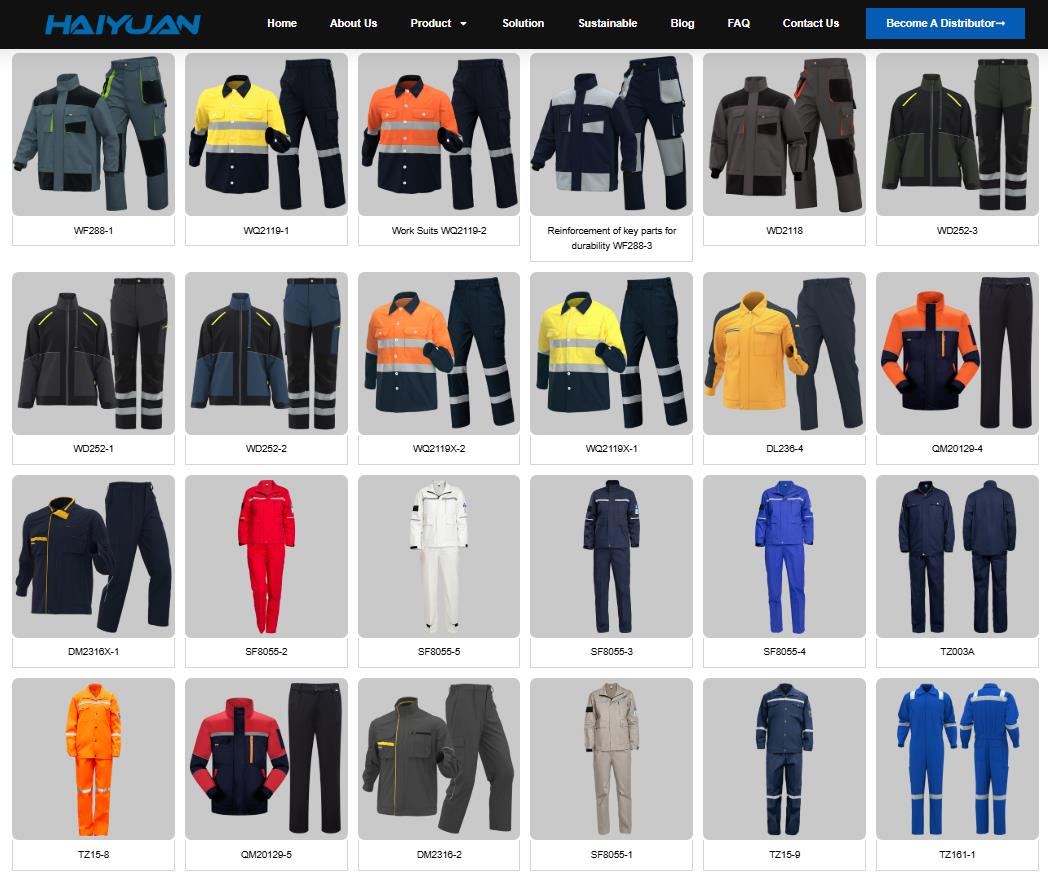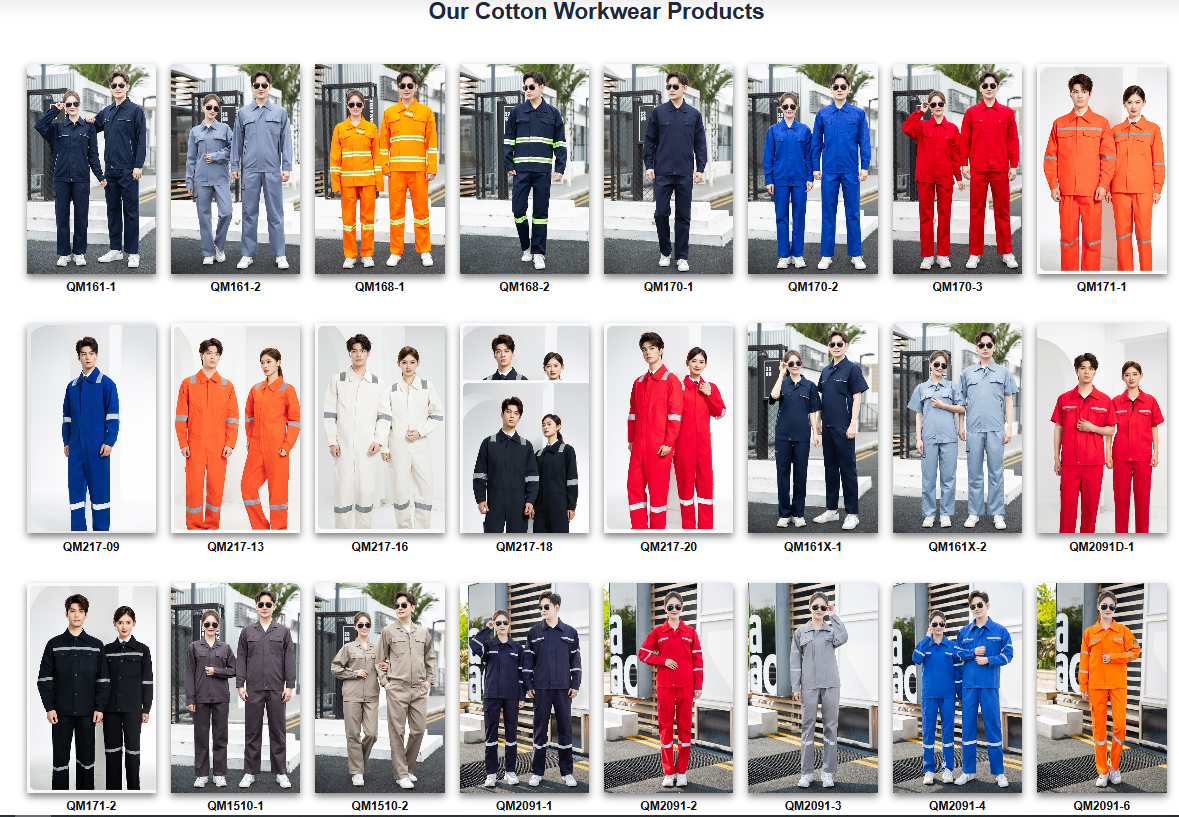

Workwear style is a fashion aesthetic rooted in the functional clothing worn by manual laborers, tradespeople, and outdoor workers. It has evolved into a mainstream fashion genre celebrated for its durability, utilitarian details, and timeless, rugged appeal.
Here are the key elements that define workwear style:
1. Core Inspiration & History
-
Origin: Born from necessity in the late 19th and early 20th centuries (think American factories, railroads, farms, and workshops).
-
Iconic Brands: The style is deeply tied to heritage brands like Carhartt, Dickies, Levi’s, Red Wing Shoes, Hyys, and Filson.
-
Philosophy: The original principle was “form follows function.” Every detail served a practical purpose.
2. Defining Characteristics & Silhouette
-
Durability & Fabric: Heavy-duty materials are paramount. Think sturdy denim (10+ oz.), canvas, duck cloth, and twill. These fabrics break in beautifully over time, developing a unique patina.
-
Utilitarian Details: Functional features are the hallmark of the style:
-
Reinforcements: Triple-stitching, bar tacks at stress points, and rivets.
-
Pockets: Multiple and purposeful. Chest pockets, tool pockets, rule pockets, and large patch pockets.
-
Fastenings: Metal buttons, robust zippers, and durable snap closures.
-
-
Fit & Silhouette: Traditionally relaxed, straight, or slightly oversized to allow for ease of movement and layering. The modern “workwear-inspired” look often offers slimmer, more tailored fits.
-
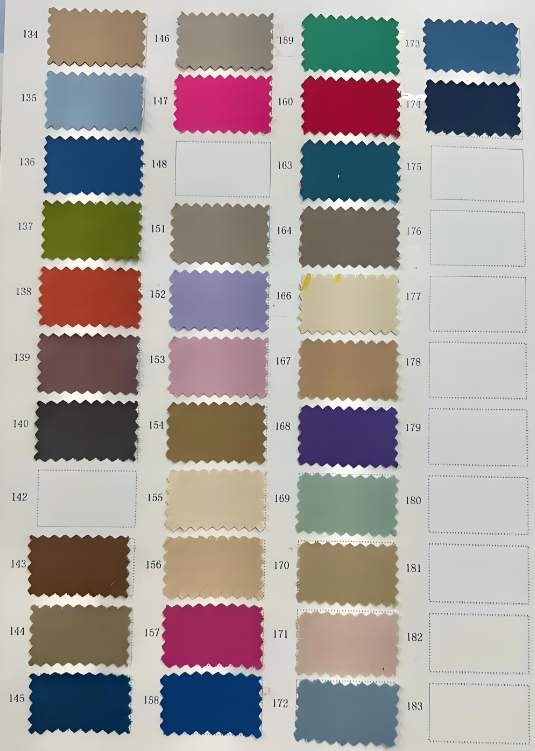
Color Palette: Earthy and practical: Indigo, khaki, olive, brown, beige, charcoal, and faded black. Colors often mimic dirt, clay, and industrial environments.
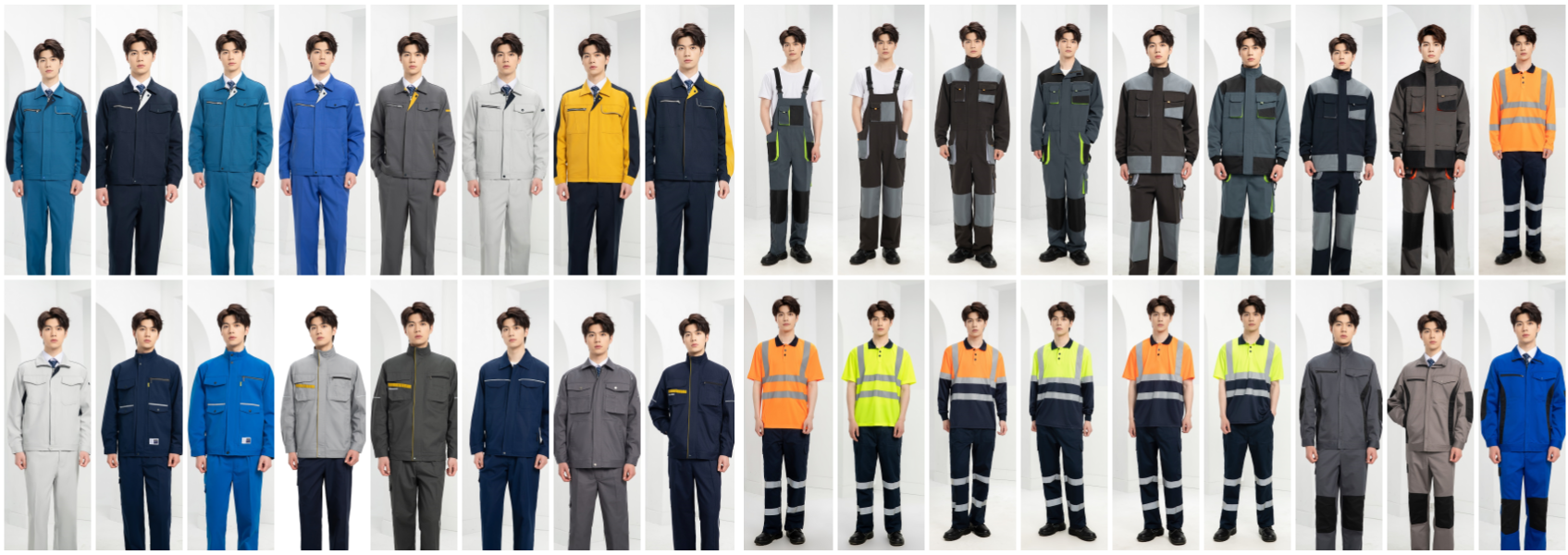
workwear
3. Key Garments
-
Tops: Chore coats, denim jackets (Type III trucker jackets), coveralls, heavyweight flannel shirts, henleys, and sturdy sweatshirts.
-
Bottoms: Straight or relaxed-fit jeans (especially raw denim), canvas work pants (like Dickies 874), cargo pants, and bib overalls.
-
Footwear: Leather work boots (6-inch moc-toe or cap-toe styles), engineer boots, and durable leather shoes. Brands like Red Wing, Thorogood, and Wolverine are iconic.
-
Accessories: Beanies, durable gloves, canvas or leather tool bags/duffels, and heavyweight socks.
4. Modern Interpretation & Styling
Today, workwear exists on a spectrum:
-
Heritage/Pure Workwear: Wearing authentic, unaltered work garments from heritage brands.
-
Workwear-Inspired Fashion: High-fashion designers and contemporary brands (e.g., Engineered Garments, Visvim, Kapital, A.P.C., and even brands like J.Crew) reinterpret workwear staples with refined fabrics, modern fits, and elevated design.
-
The “Workwear Capsule”: Integrating key workwear pieces into a everyday wardrobe. For example:
-
A chore coat over a plain t-shirt with jeans and sneakers.
-
A flannel shirt layered under a tailored overcoat.
-
Quality boots paired with chinos and a sweater.
-
5. Cultural Connection
-
Authenticity & “Wear-in”: The style values clothing that ages with the wearer, telling a story through fading, creases, and repairs.
-
Grounded Aesthetic: It projects an image of practicality, reliability, and understated masculinity (though it’s increasingly adopted in unisex and womenswear).
-
Link to Subcultures: Workwear has been adopted by various groups, from skateboarders and artists to the Japanese “Amekaji” (American casual) scene, which meticulously studies and elevates vintage American workwear.
In Essence:
Workwear style is the celebration of functional design, durable construction, and timeless utility. It’s about clothing built to last, that looks better with age, and carries a sense of honest, hands-on authenticity. Whether worn in its pure form or as a styled inspiration, it’s a rejection of fast fashion in favor of substance and longevity.