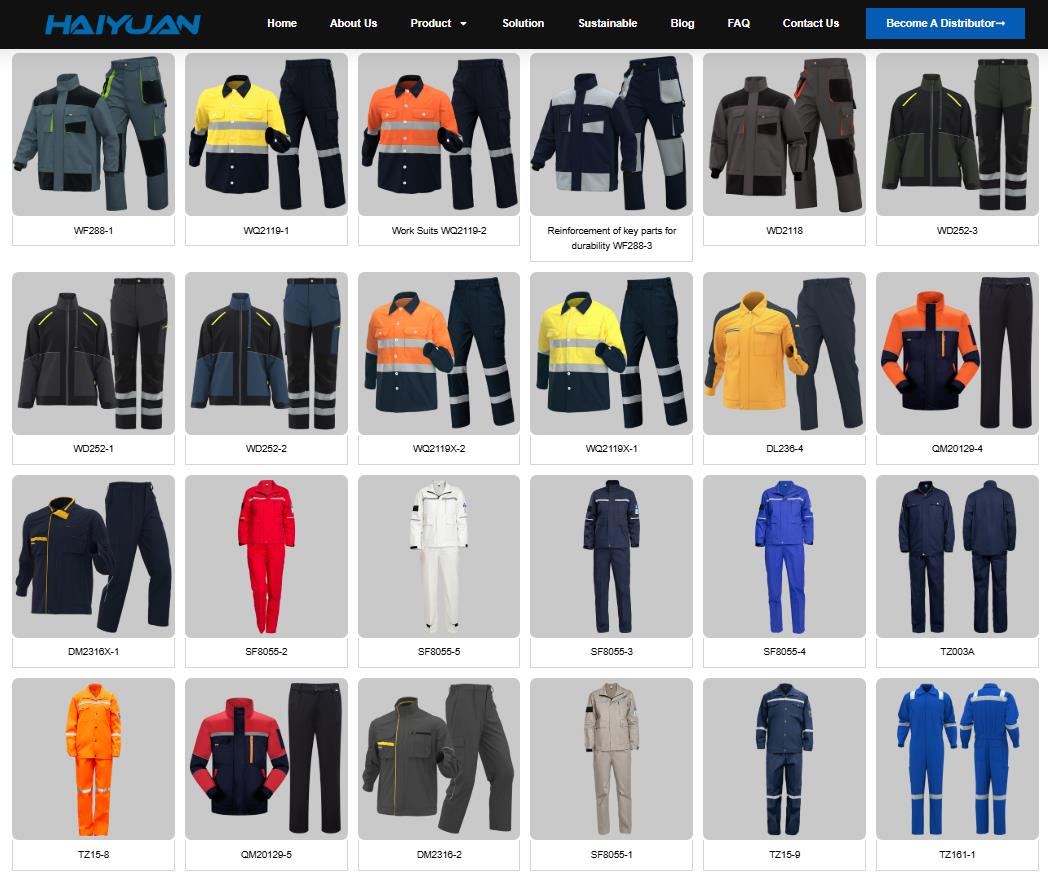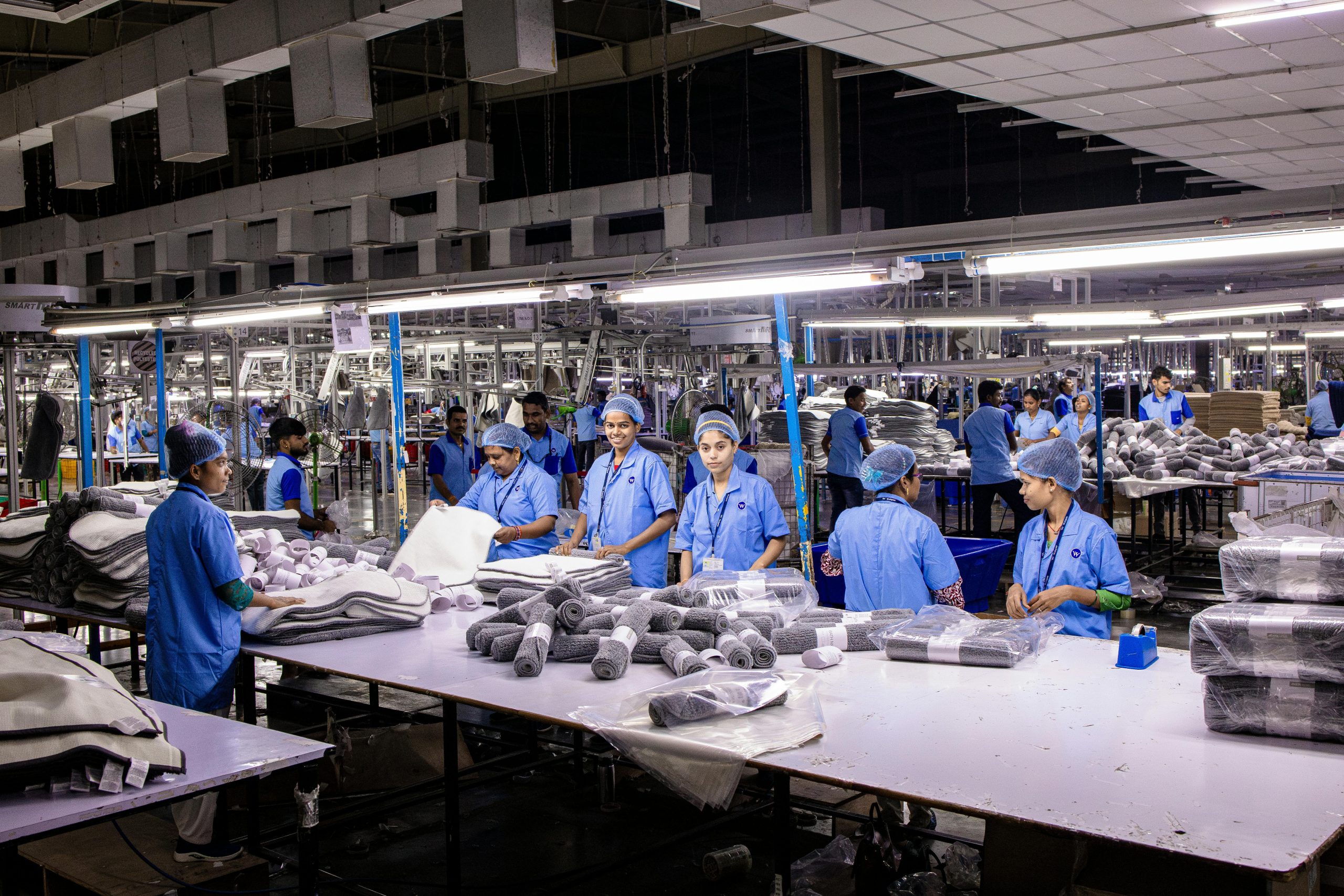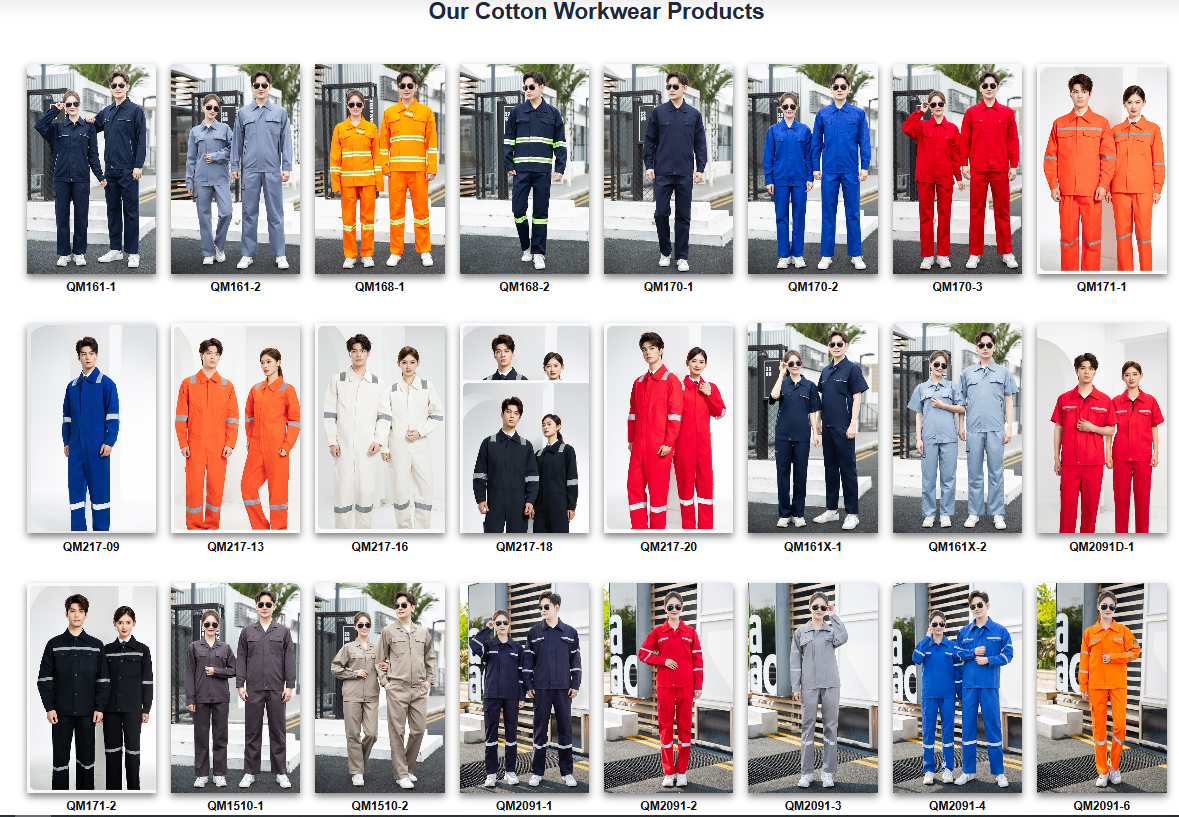

Excellent question! “Workwear” isn’t a single fabric, but a category of clothing defined by its purpose: durability, safety, and functionality. The fabric chosen depends entirely on the specific job’s demands.
Here’s a breakdown of the most common and iconic workwear fabrics, from traditional to modern:
1. The Classic & Heavy-Duty Fabrics
These are the foundational materials known for their incredible toughness.
-
Denim: The original workwear fabric. Heavyweight denim (12oz-14oz and above) is rugged, abrasion-resistant, and breaks in uniquely over time. Think classic blue jeans and denim jackets worn by miners and ranchers.
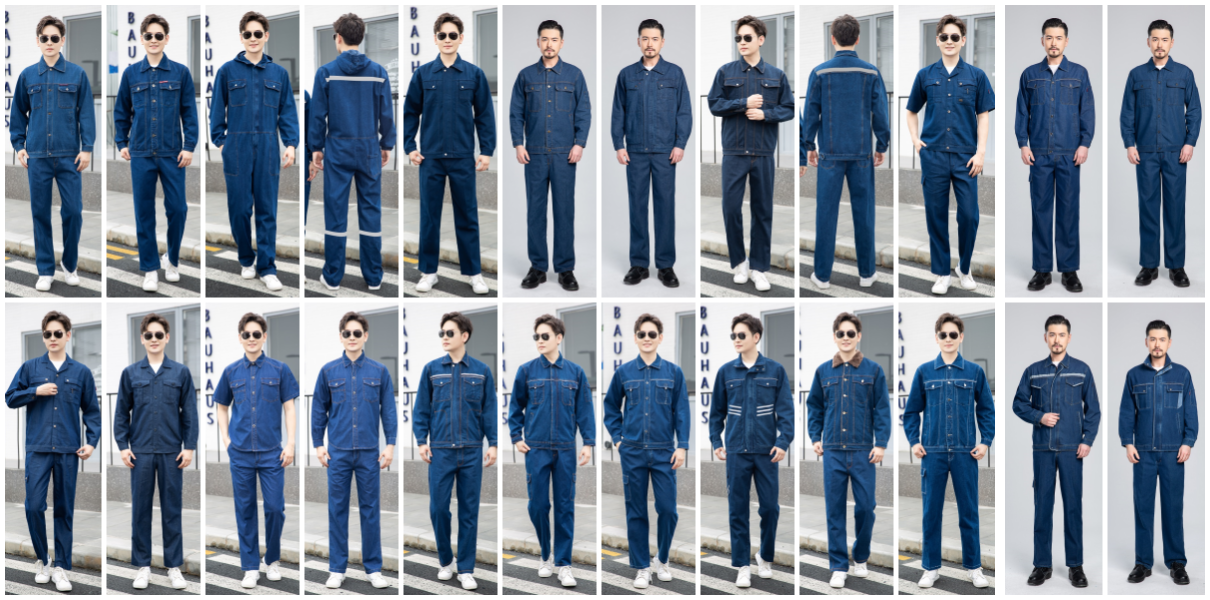
Denim Work Clothes Uniform -
Canvas: A plain-woven, heavyweight fabric, usually made of cotton. It’s stiff, extremely durable, and resistant to tearing. Used for jackets, aprons, bags, and heavy-duty pants. Duck canvas is a particularly tight, strong variant.
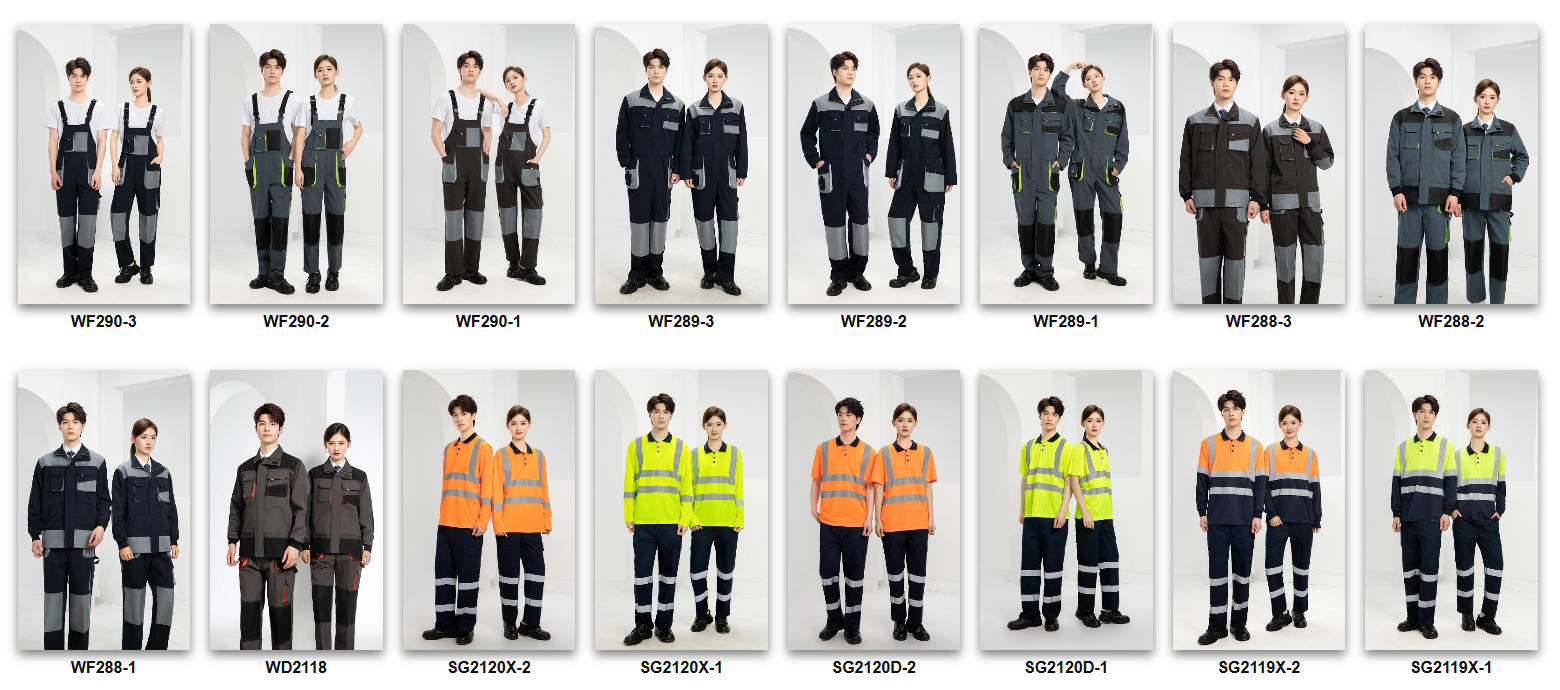
canvas work clothes -
Twill: Characterized by its diagonal weave pattern. Cotton twill is strong, durable, and has a distinctive look (think the fabric of khaki pants). Herringbone twill is an even stronger variant with a zigzag pattern, famously used in “Hickory Stripe” shirts.
-
Leather: Used for full-grain leather jackets, aprons, gloves, and boots. It provides excellent protection against abrasions, sparks, and moderate heat. Cowhide and goatskin are common.
2. Modern & Technical Fabrics
These incorporate synthetic fibers for enhanced performance.
-
Ripstop: A lightweight nylon or polyester fabric woven with a reinforced grid pattern that makes it highly resistant to tearing and ripping. Common in tactical workwear and outdoor uniforms.
-
Cordura® or Ballistic Nylon: Extremely tough, abrasion-resistant synthetic fabrics often used in high-wear areas like knees, tool pockets, and utility bags.
-
Flame-Resistant (FR) Fabrics: A critical category for electricians, welders, and oil/gas workers. These are specially treated cotton or synthetic blends (like Nomex® or Modacrylic) designed to self-extinguish and not melt.
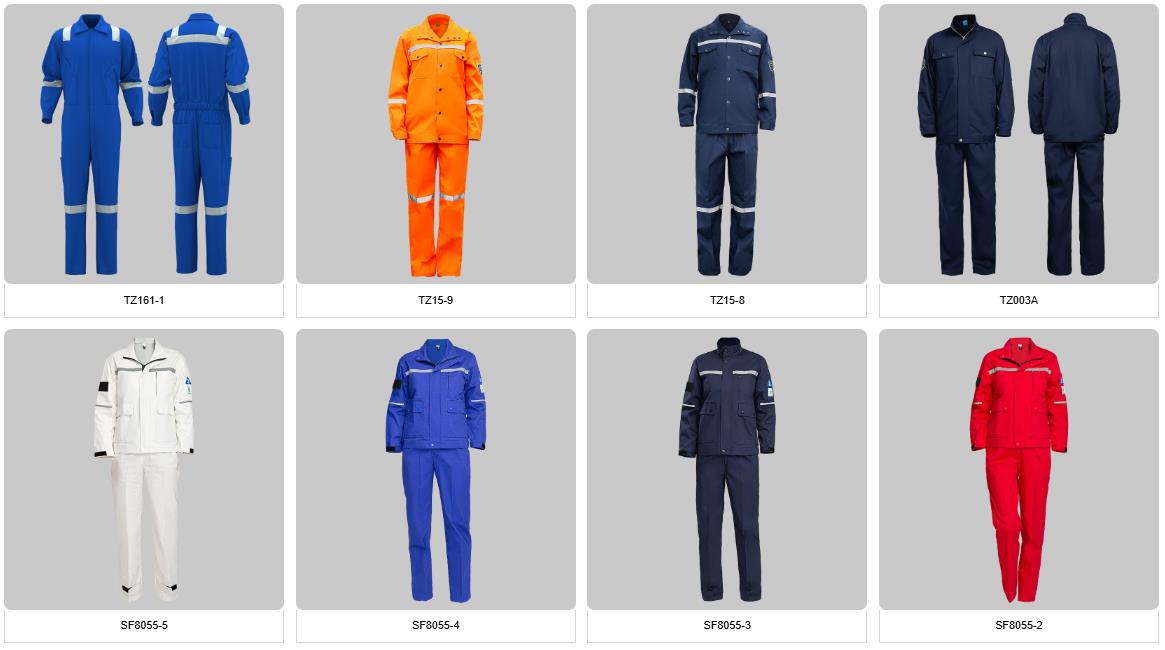
Flame-Resistant Uniform -
High-Visibility (Hi-Vis) Fabrics: Made from fluorescent materials (usually polyester) for daytime visibility, with reflective tape for nighttime. Mandatory for road crews and many industrial sites.
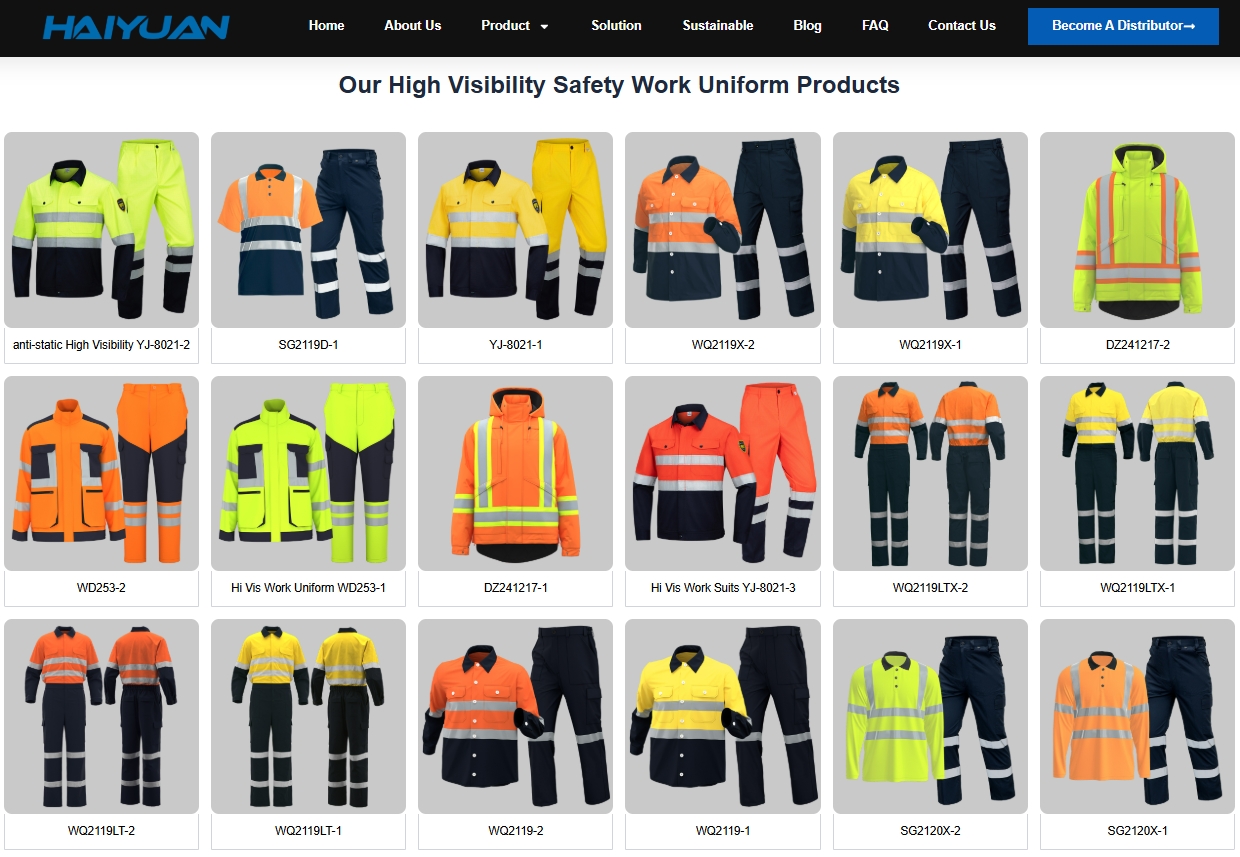
High Visibility Safety Work Uniform
3. Common Blends & Variants
-
Cotton-Polyester Blends: The most common today. 65% polyester / 35% cotton is a standard for many work uniforms. It blends the breathability of cotton with the durability, wrinkle-resistance, and quick-drying properties of polyester.
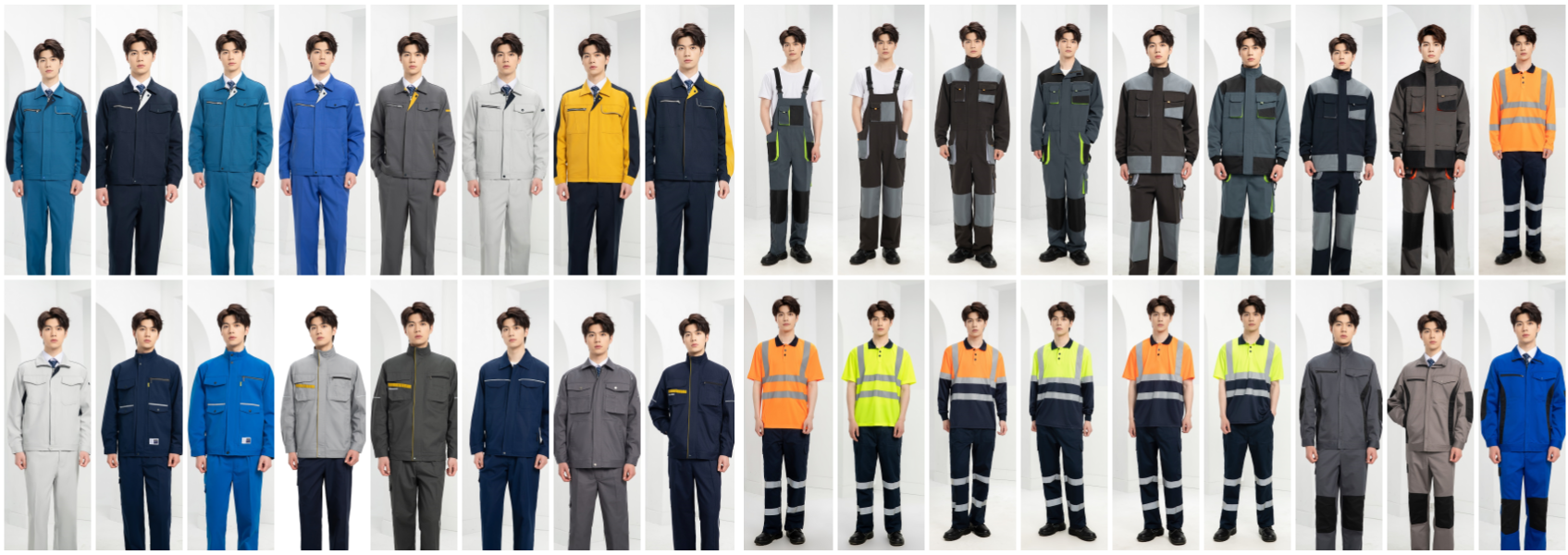
polyester cotton labor workwear -
Waxed Canvas: Traditional canvas treated with wax (like paraffin or beeswax) to make it highly water-resistant and windproof. Used by fishermen, loggers, and outdoorsmen.
-
Flannel: A soft, brushed cotton (or wool) fabric used for lined jackets, shirts, and overshirts for warmth in cold-weather work.
4. Fabrics for Specific Hazards
-
Arc-Rated (AR): For electrical arc flash protection.
-
Chemical-Resistant: Often PVC-coated or made from specialty rubbers and polymers.
-
Cut-Resistant: Made with high-performance fibers like Kevlar®, Dyneema®, or stainless steel mesh, used in gloves and sleeves for glass handling or metal work.
Quick Reference Table
| Fabric | Key Properties | Common Workwear Uses |
|---|---|---|
| Heavyweight Denim | Abrasion-resistant, durable, ages uniquely | Jeans, jackets, overalls |
| Canvas (Cotton Duck) | Very stiff, extremely tough, tear-resistant | Jackets, aprons, tool bags, painter’s pants |
| Cotton Twill | Durable, softer drape than canvas | Work pants (khakis/chinos), uniform shirts |
| Ripstop Nylon | Lightweight, excellent tear resistance | Tactical pants, outdoor work shirts, light jackets |
| FR Blends (Nomex®) | Will not sustain flames, self-extinguishing | Coveralls, shirts, pants for electricians/welders |
| Hi-Vis Polyester | Fluorescent color, reflective strips | Vests, jackets, shirts for road/construction work |
| Cotton-Polyester Blend | Wrinkle-resistant, durable, easy care, affordable | The standard for most modern |
Care Note:
Traditional workwear fabrics like 100% cotton denim and canvas often shrink and should be washed with care (cold water, hang dry). Modern blends and technical fabrics usually have specific care instructions to maintain their treatments (like water resistance or FR properties).
In summary: True workwear fabric is defined by its job-specific performance. From the classic cotton canvas of a carpenter’s apron to the arc-rated synthetic blend of an electrician’s shirt, the “right” fabric is the one that safely and effectively meets the demands of the work.