
A Complete Guide to Function, Style, and Safety
Professional workwear refers to clothing specifically designed for the workplace, balancing safety, functionality, and professionalism. Unlike everyday attire, it meets the practical demands of various industries while projecting a cohesive, trustworthy image. From corporate offices to construction sites, the right workwear protects employees, enhances performance, and reinforces brand identity.
1. Definition and Core Purposes
Professional workwear serves three primary roles:
-
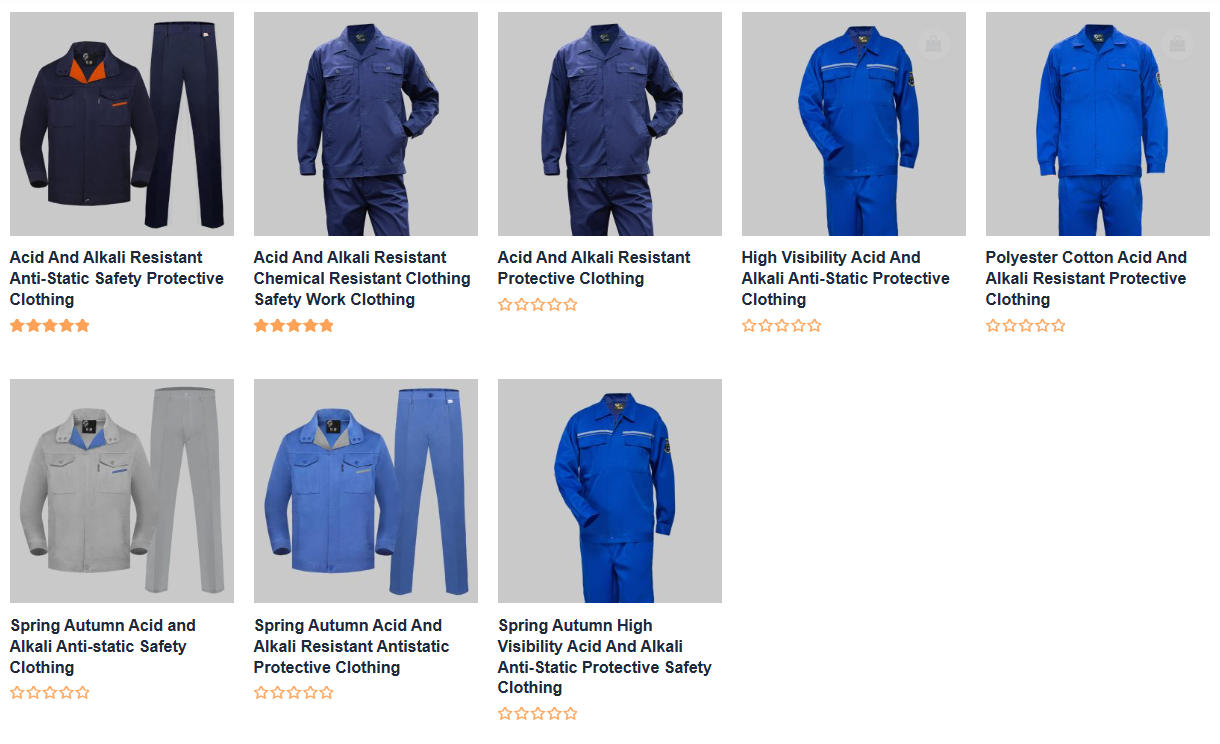
Safety & Protection: Shields workers from hazards (e.g., Flame retardant, acid and alkali resistant, antistatic, high visibility).
-
Functionality: Designed for ease of movement, durability, and task-specific features (tool pockets, moisture-wicking fabrics).
-
Professional Image: Communicates competence, uniformity, and brand values to clients and teams.
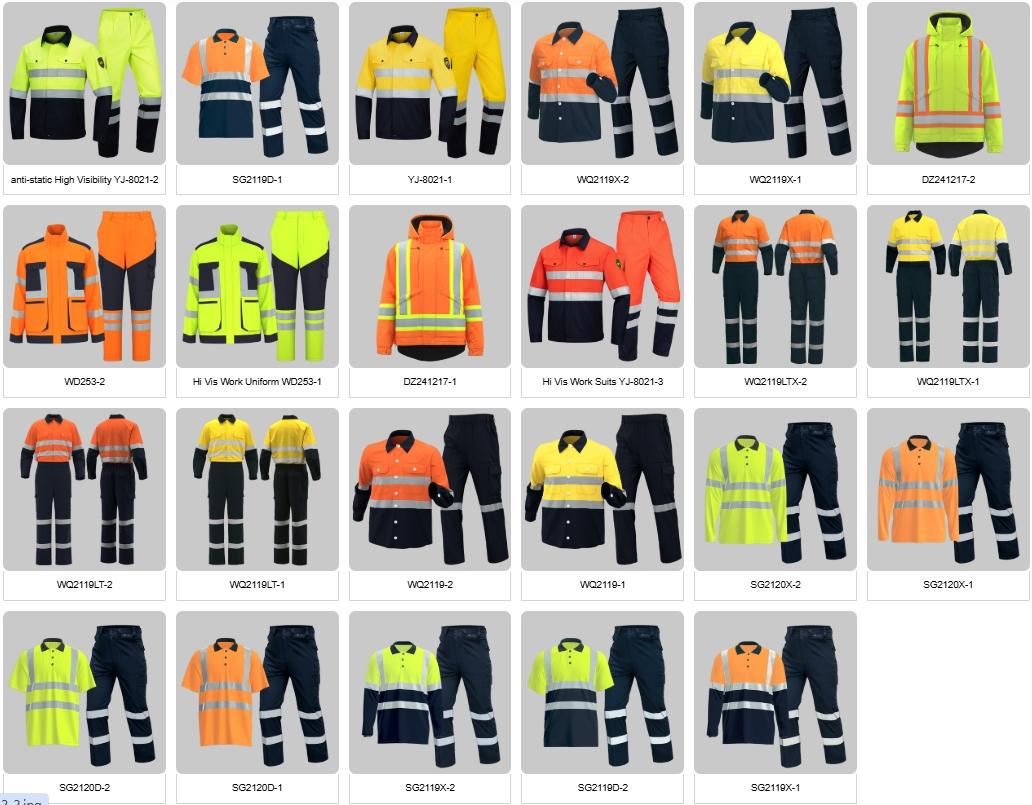
hi vis clothes
2. Key Types of Professional Workwear by Industry
| Industry | Typical Workwear Examples | Key Features |
|---|---|---|
| Corporate/Office | Suits, blazers, dress shirts, polished shoes | Formal fabrics, tailored fits, neutral colors |
| Healthcare | Scrubs, lab coats, non-slip clogs | Fluid-resistant, antimicrobial, easy to sanitize |
| Construction & Trades | Hi-vis vests, steel-toe boots, rugged pants | ANSI/OSHA-compliant materials, reinforced stitching |
| Hospitality & Retail | Uniform polos, aprons, name badges | Branded logos, stain-resistant, comfort for long shifts |
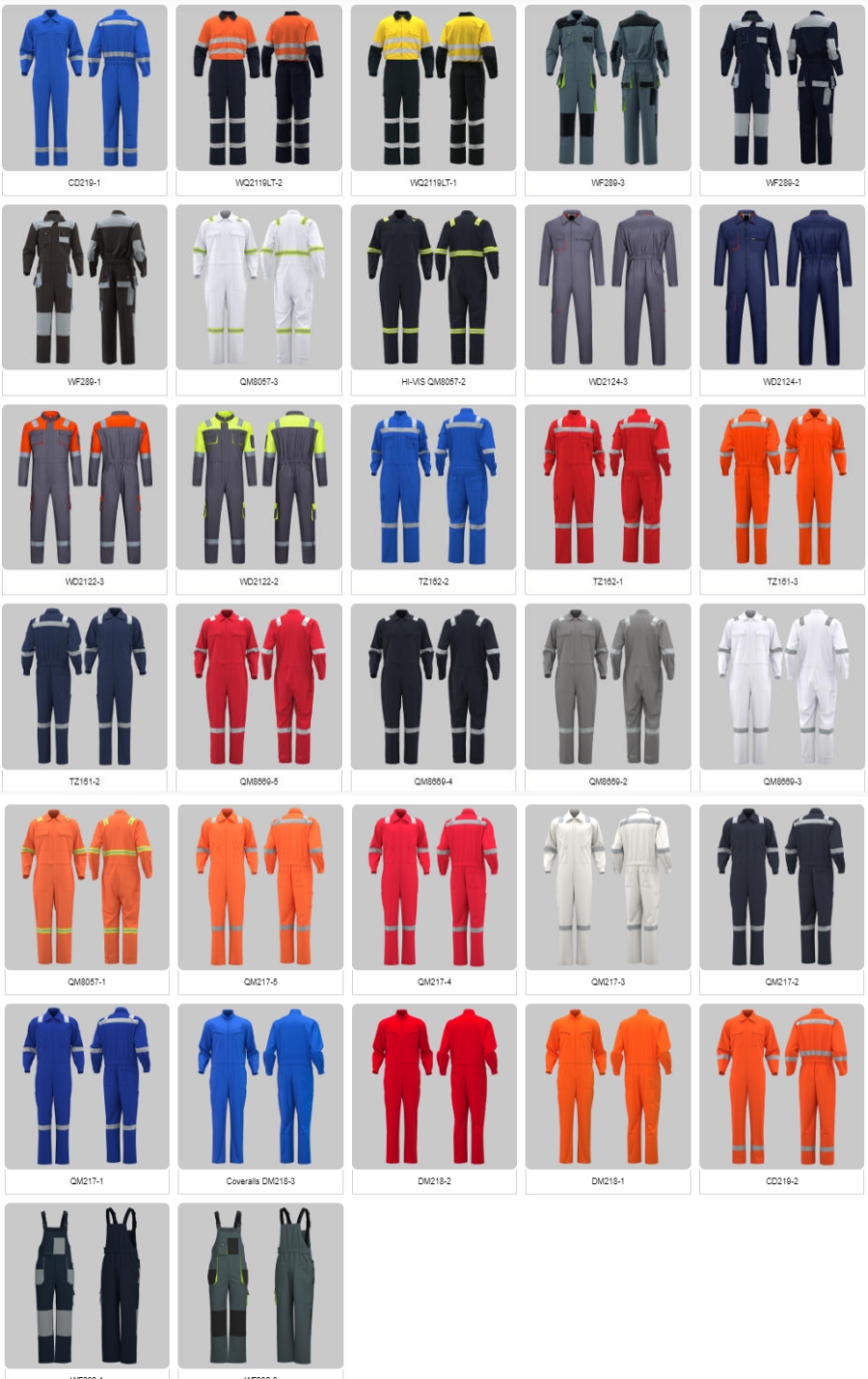
| Manufacturing & Logistics | Coveralls, safety goggles, gloves | Flame-retardant, ergonomic design, abrasion-resistant |
3. Essential Features of Modern Workwear
-
Durable Fabrics: Denim, canvas, polyester blends.
-
Protective Elements: Reflective strips, insulation, chemical-resistant coatings, and UV protection.
-
Ergonomic Design: Gusseted seams, stretch panels, and vented areas for mobility.
-
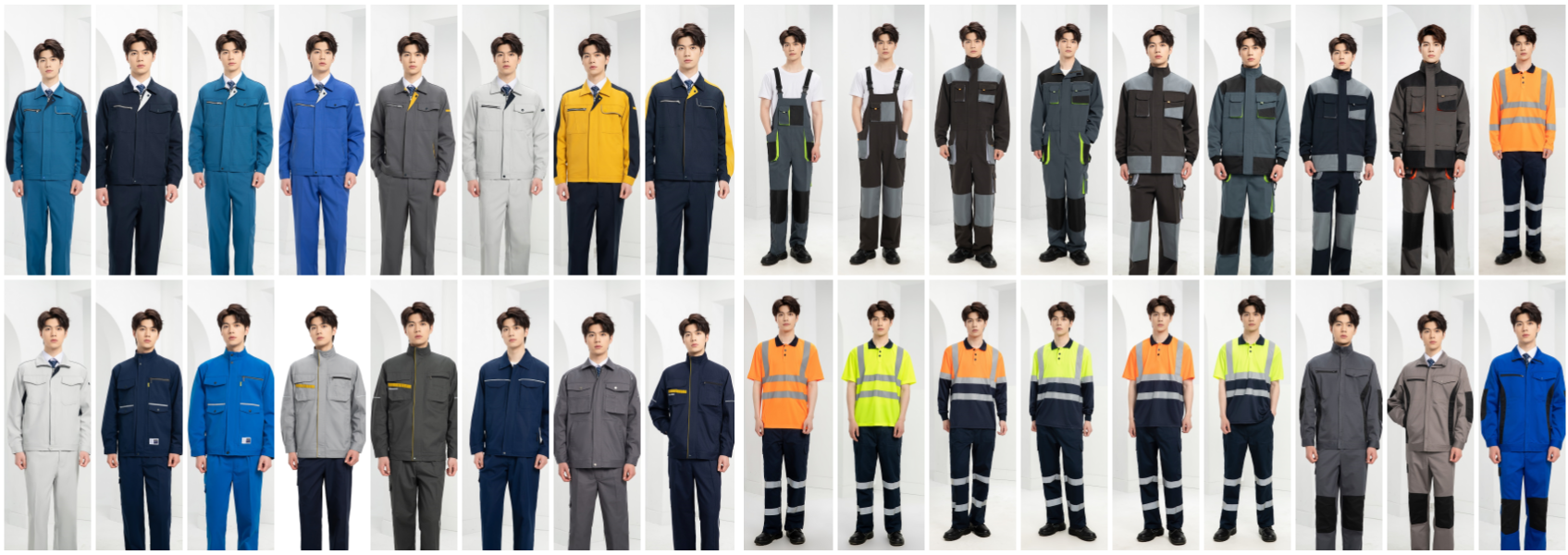
Professional Aesthetics: Clean lines, coordinated colors, and customizable branding (embroidery/logos).
4. Benefits of Investing in Quality Workwear
-
Reduces Workplace Injuries: Proper gear can decrease accidents (e.g., slips, burns, visibility-related incidents).
-
Boosts Productivity: Comfortable, task-appropriate clothing minimizes distractions and fatigue.
-
Enhances Brand Perception: Uniforms create a consistent, professional image that builds customer trust.
-
Promotes Team Identity: Fosters a sense of belonging and equality among employees.
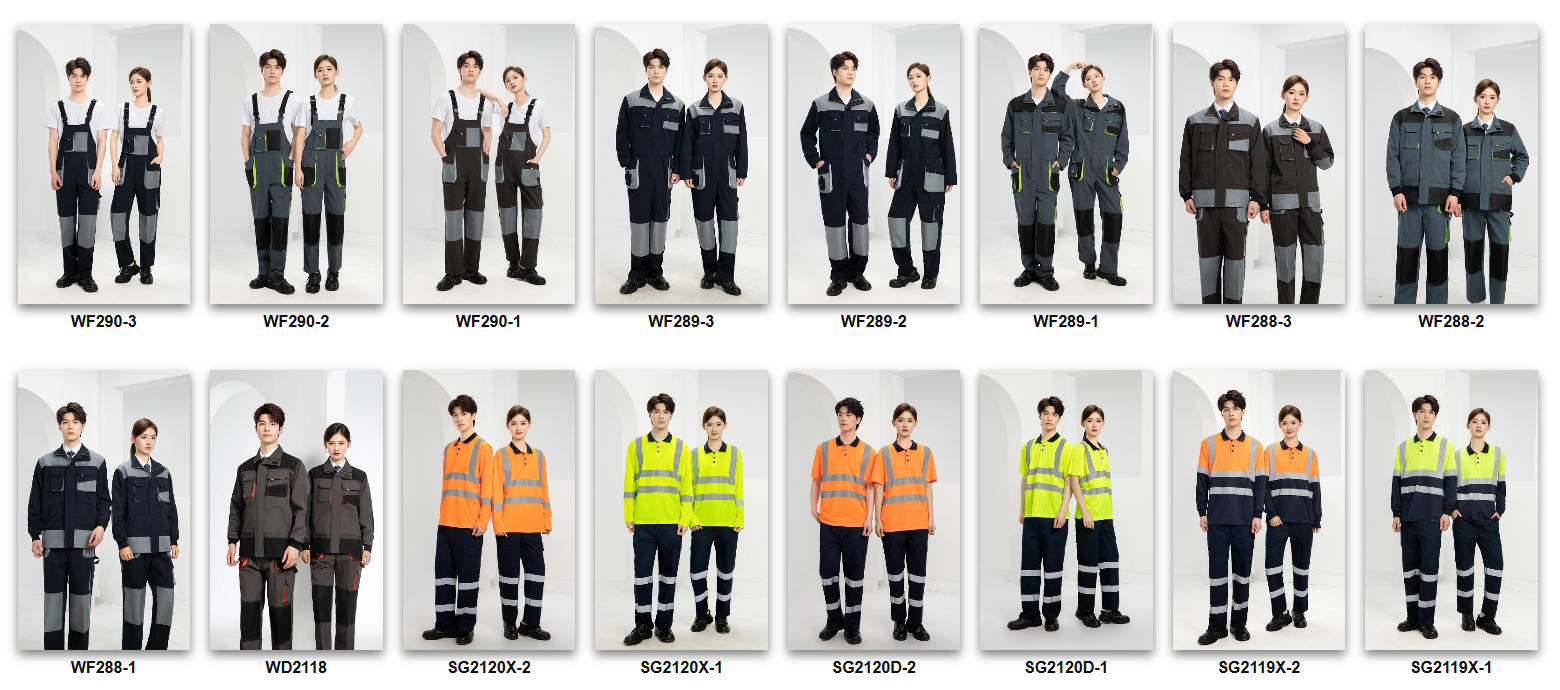
canvas work clothes
5. Trends Shaping the Future of Workwear
-
Smart Textiles: Fabrics with embedded sensors for monitoring vital signs or environmental hazards.
-
Sustainable Materials: Organic cotton, recycled polyester, and biodegradable finishes gaining popularity.
-
Hybrid Designs: “Office-ready” comfort with stretch fabrics and athleisure influences.
-
Inclusive Sizing & Adaptability: Gender-neutral options and adaptive clothing for people with disabilities.
6. How to Choose the Right Workwear
Consider these factors when selecting workwear:
-
Industry Requirements: Compliance with safety standards (e.g., OSHA, ISO).
-
Climate & Environment: Insulation for cold, breathability for heat, or waterproofing for wet conditions.
-
Employee Input: Comfort and preference surveys to improve adoption.
-
Budget & Longevity: Balance cost with durability and maintenance needs.
Conclusion
Professional workwear is a dynamic category that blends protection, practicality, and polish. As workplaces evolve, so does workwear—integrating technology, sustainability, and inclusivity. Investing in well-designed workwear isn’t just about uniforms; it’s about safeguarding people, boosting performance, and building a professional brand that stands out.
References & Data Sources
-
Grand View Research. (2023). Workwear Market Size Report, 2023–2030.
-
Market growth data: CAGR of 5.2% projected (2024–2030).
-
-
Occupational Safety and Health Administration (OSHA). (2023). Personal Protective Equipment (PPE) Standards.
-
Compliance guidelines for high-risk industries.
-
-
Statista. (2024). Global Apparel and Textile Survey – Workwear Segment.
-
Survey data on corporate uniform adoption rates.
-
-
International Safety Equipment Association (ISEA). (2023). *High-Visibility Apparel Standards – ANSI/ISEA 107*.
-
Technical specifications for visibility garments.
-
-
Textile Institute. (2023). Performance Fabrics in Professional Workwear – Technical Report.
-
Material innovation data (smart textiles, sustainable fibers).
-
(Note: Data figures are based on 2023–2024 industry reports and are subject to periodic updates.)