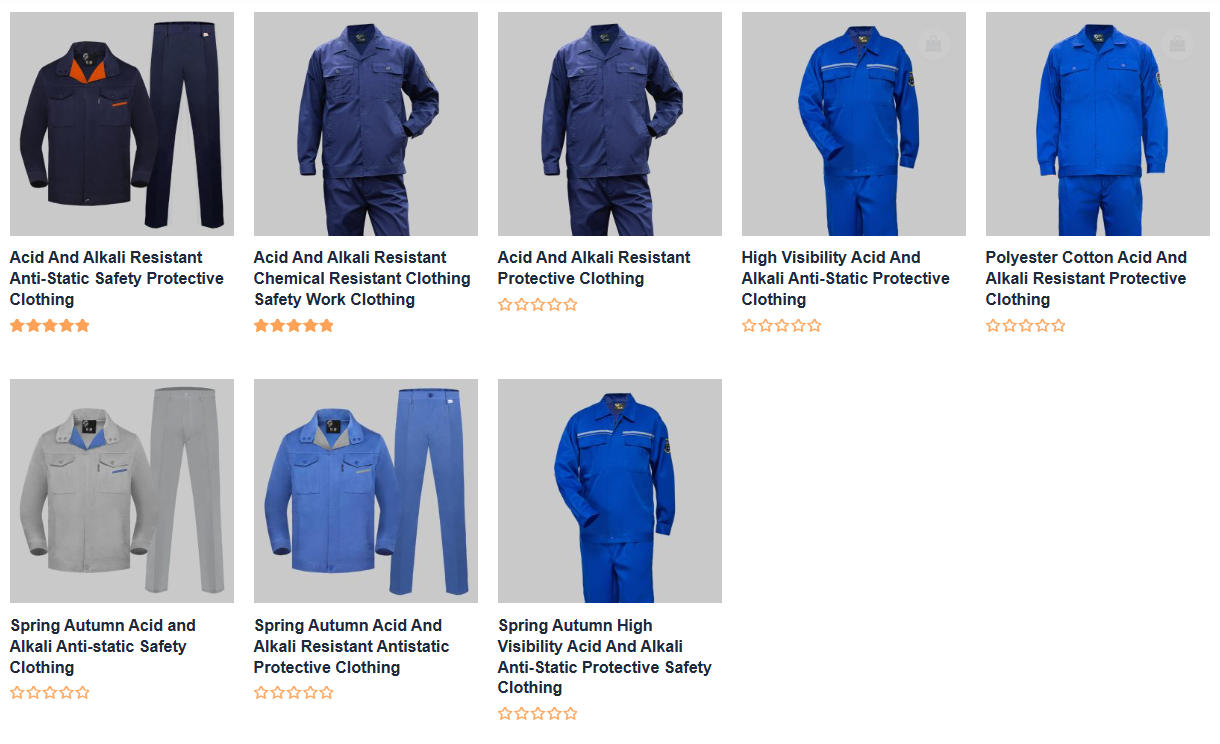

This is a crucial distinction in workplace safety and procurement. While the terms are sometimes used interchangeably, they refer to different concepts with different legal and safety implications.
Here’s a clear breakdown of the differences between PPE and Workwear.
The Core Difference: Purpose
-
PPE (Personal Protective Equipment): Its sole purpose is to protect the wearer from a specific, serious workplace hazard that could cause injury or illness. It is the last line of defense when other safety controls are not feasible or sufficient.
-
Workwear (or Corporate Wear): Its primary purpose is to provide a uniform, professional appearance and protect clothing from general dirt and wear-and-tear. It is not designed to protect against life-threatening hazards.
Think of it this way:
-
PPE is about safety and survival.
-
Workwear is about identity and basic cleanliness.
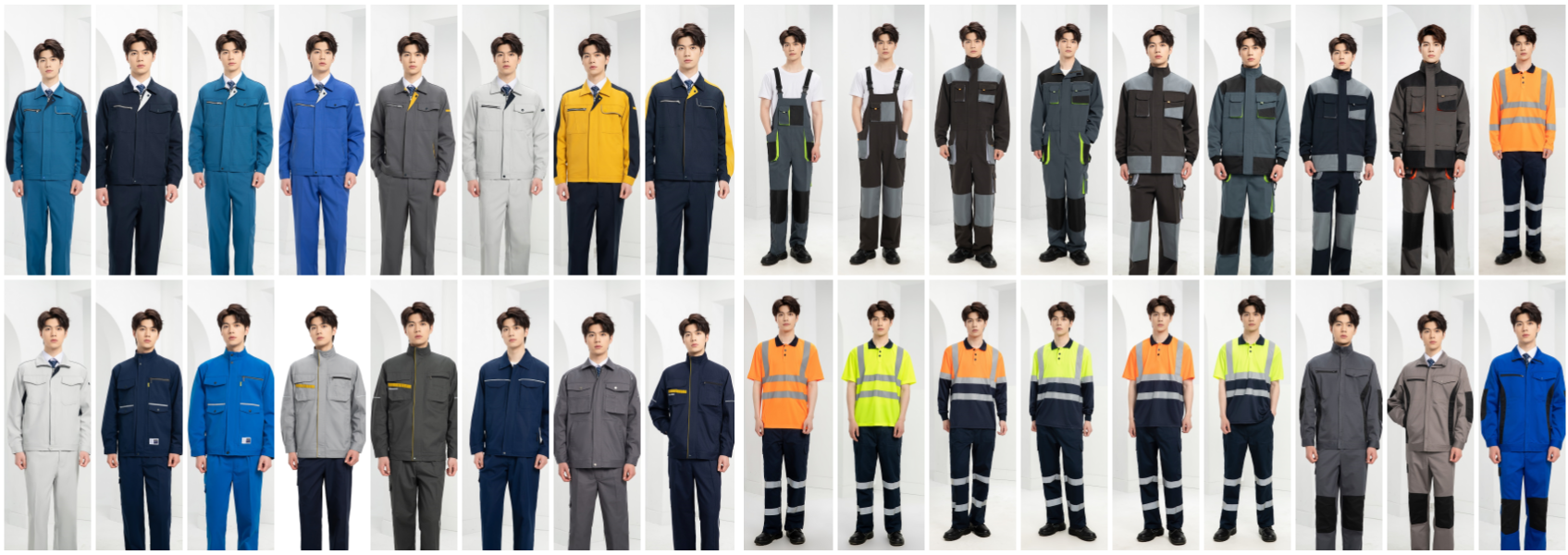
polyester cotton labor workwear
Detailed Comparison Table
| Feature | PPE (Personal Protective Equipment) | Workwear (Corporate / Industrial Uniform) |
|---|---|---|
| Primary Purpose | Protection from specific, serious hazards. | Appearance, professionalism, and basic dirt protection. |
| Regulation & Standards | Highly regulated. Must meet strict safety standards (e.g., ANSI, OSHA, CE, NFPA). | Largely unregulated for safety. May have quality standards, but not for hazard protection. |
| Examples | Hard hats, safety glasses, respirators, steel-toe boots, hi-vis vests, arc-flash suits, chemical gloves. | Corporate polo shirts, basic cotton coveralls, chef jackets, branded trousers, non-safety t-shirts. |
| When is it Used? | When a specific, identifiable hazard is present (e.g., falling objects, chemicals, loud noise, airborne particles). | During all work hours to present a unified brand and keep personal clothes clean. |
| Employer’s Responsibility | Legally obligated to provide, maintain, and replace at no cost to the employee. Must train workers on its use. | Often provided, but policies vary. Sometimes provided or subsidized, sometimes required but employee-purchased. |
| Design & Certification | Designed and certified to protect against a demonstrable level of a specific hazard. Comes with a certification or standard mark. | Designed for comfort, durability, and branding. No safety certification is required or provided. |
The “Gray Area” and Overlap
This is where confusion often arises. Some garments can be both, or workwear can be enhanced to become PPE.
1. The Hybrid: Protective Workwear
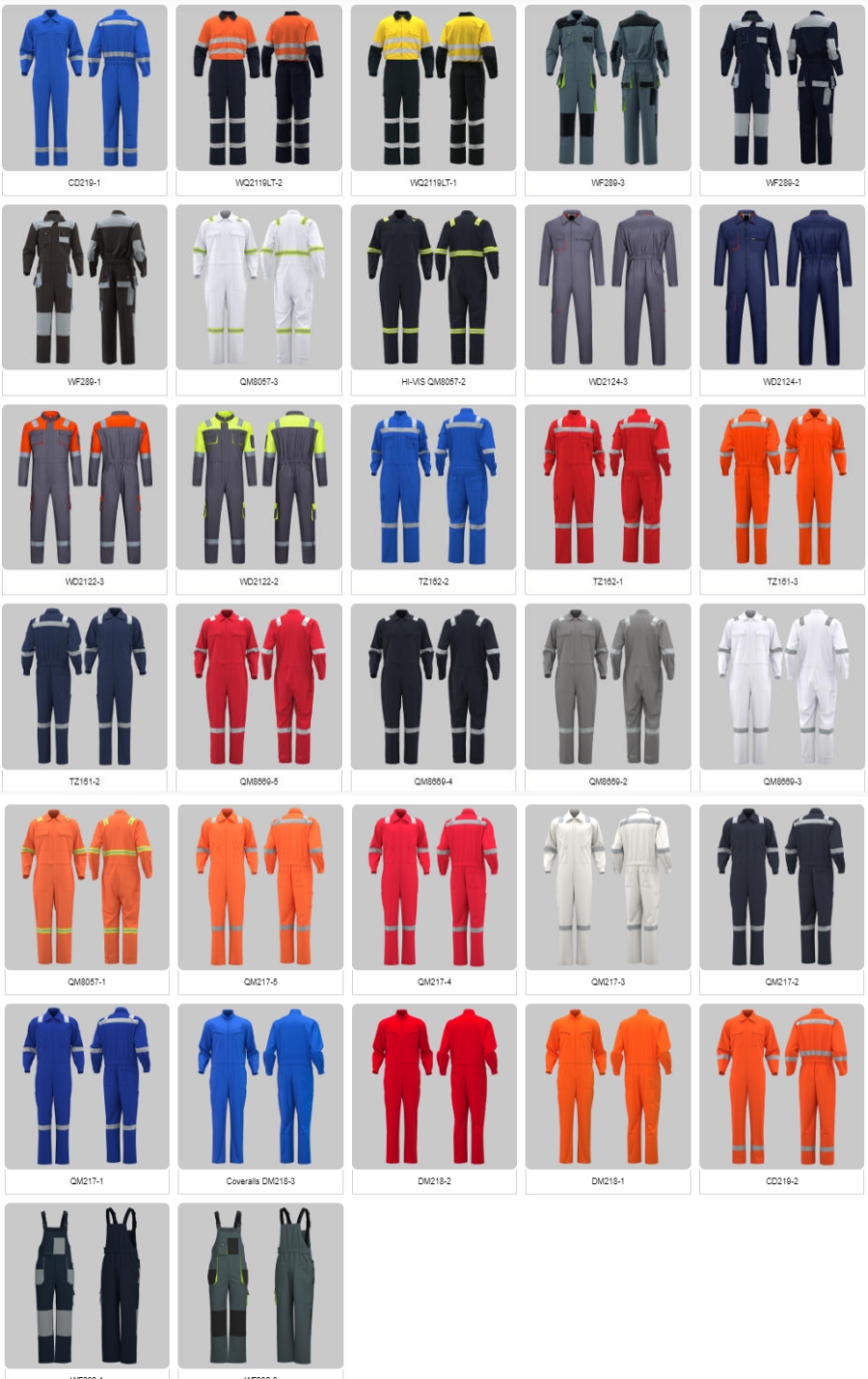
This is workwear that is designed and certified as PPE. The classic “seaman coverall” from your previous question is a perfect example:
-
If it’s a basic, uncertified cotton coverall to keep a sailor’s clothes clean, it’s workwear.
-
If it is made from Flame-Resistant (FR) fabric and is certified to a standard like NFPA 2112, it becomes PPE. Its primary purpose is now to protect the wearer from flash fires.
Other examples of this hybrid category:
-
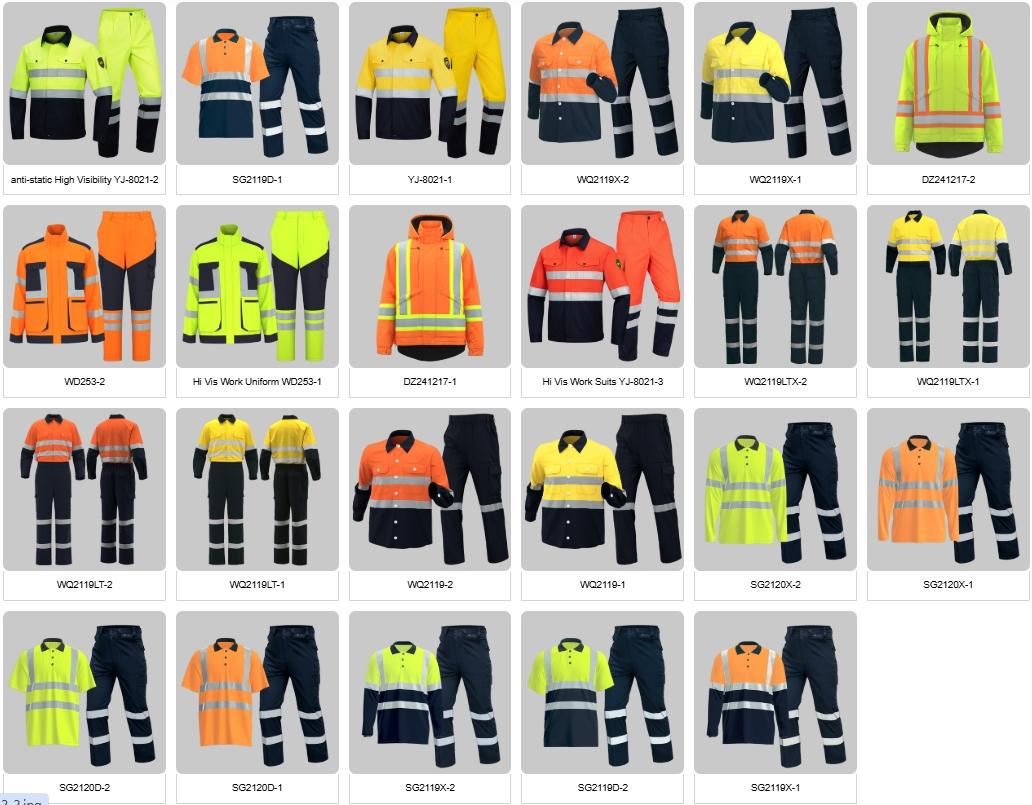
Hi-Vis Coveralls: A standard orange coverall is workwear. If it has certified ANSI/ISEA 107 reflective tape for high visibility, it is PPE.
-
Winter Jackets: A standard warm jacket is workwear. A winter jacket with a built-in ANSI-certified hi-vis shell is PPE.
-
Rain Gear: A basic waterproof jacket is workwear. A jacket certified to protect against hazardous chemicals is PPE.

ppe
2. The Confusion: Misidentifying Workwear as PPE
A common mistake is assuming that because a garment is “industrial,” it is protective.
-
A standard leather boot is workwear.
-
A boot with a reinforced steel toe cap meeting ASTM F2413 standards is PPE.
-
A basic cotton lab coat is workwear (protects from spills).
-
A chemically resistant apron is PPE.
Key Takeaway
The difference boils down to certification against a specific hazard.
-
If the item is designed, tested, and certified to protect the user from a hazard that could cause serious injury or death, it is PPE.
-
If its main job is to look professional, create a team identity, or guard against simple dirt and grime, it is Workwear.
Always check the product specifications for reference to a safety standard (like ANSI, CE, NFPA) to determine if an item is truly PPE.