
Finding the right wholesale clothing manufacturer is a critical step for launching or scaling a fashion brand. This guide will break down the types of suppliers, where to find them, and the key steps to ensure a successful partnership.
Types of Wholesale Clothing Manufacturers
-
Full-Package Production (FPP) / Cut-Make-Trim (CMT):
-
FPP: They handle everything from fabric sourcing, pattern making, sampling, cutting, sewing, finishing, and quality control. Ideal for startups and established brands who want a hands-off production process.
-
CMT: You provide the fabric, patterns, and trims, and they Cut, Make, and Trim (sew) the garments. This offers more control but requires you to manage the supply of materials.
-
-
Original Equipment Manufacturer (OEM):
-
They produce garments based on your exact designs and specifications. This is the most common type for brands with their own unique designs.
-
-
Original Design Manufacturer (ODM):
-
They produce garments based on their own existing designs and patterns. You can often customize them with your labels, tags, and minor changes. This is cost-effective and faster, but less unique.
-
-
Private Label Manufacturers:
-
A subset of ODM, where you put your brand label on generic or semi-customized garments they already produce. Common for basics like t-shirts, hoodies, and leggings.
-
Key Factors to Consider When Choosing a Supplier
-
Minimum Order Quantity (MOQ): The smallest number of units they will produce per style/color. This can range from 50 to 10,000+.
-
Pricing: Get detailed quotes (FOB, CIF, etc.). The cheapest option is rarely the best. Balance cost with quality and reliability.
-
Lead Time: The time from order confirmation to shipment. Realistic lead times are crucial for inventory planning.
-
Quality Control: Ask about their QC process. Do they conduct inline and final inspections? Can you hire a third-party inspector?
-
Communication & Transparency: Are they responsive and easy to communicate with? Language barriers and time zones can be a challenge.
-
Ethical & Compliance Standards: If this is important to your brand, ask about factory audits (e.g., SMETA, BSCI), fair labor practices, and environmental compliance.
Where to Find Wholesale Clothing Manufacturers
1. Online B2B Marketplaces (Best for Beginners)
-
Alibaba.com: The world’s largest. A mix of manufacturers, trading companies, and wholesalers. Filter for “Verified Suppliers” and “Trade Assurance.”
-
Made-in-China.com: Similar to Alibaba, with a strong focus on Chinese manufacturers.
-
Global Sources: Known for electronics but has a growing apparel section, often with higher-quality suppliers.
-
FashionGO / LA Showroom: Excellent platforms focused on the US market, particularly Los Angeles wholesalers and manufacturers.
2. Sourcing Agents (Best for Saving Time & Mitigating Risk)
-
They act as your local representative, often based in the manufacturing country (e.g., China, Bangladesh, India). They find factories, negotiate prices, conduct quality control, and manage logistics for a fee (percentage or flat rate).
3. Trade Shows (Best for Building Relationships)
-
Première Vision (Paris): The premier show for fabrics and trends.
-
Magic / Sourcing at Magic (Las Vegas): A massive show with a dedicated sourcing section.
-
Copenhagen International Fashion Fair (CIFF): Focused on contemporary and high-end brands.
-
Asia Apparel Expo (Various Locations): Connects Western buyers directly with Asian manufacturers.
4. Industry Directories & Associations
-
USA Clothing Manufacturers Database: Search for “SEAMS” (Association of the Sewn Products Industry).
-
UK Fashion & Textile Association (UKFT): Offers a directory of UK-based manufacturers.
5. Local Manufacturing Hubs (Best for Low MOQ & Speed)
-
Los Angeles, USA: Known for fast fashion, contemporary wear, and knitwear.
-
New York City, USA: The Garment District offers pattern makers, sample makers, and small-batch manufacturers.
-
Portugal & Turkey: Renowned for high-quality knitwear, denim, and leather goods with lower MOQs than Asia.
-
India & Pakistan: Excellent for embroidered items, artisan crafts, and cotton wovens.
-
China, Vietnam, Bangladesh: For large-scale production across all categories.
Step-by-Step Process for Vetting a Manufacturer
-
Prepare Your Tech Pack: A detailed document with flat sketches, measurements (graded spec sheet), fabric info, bill of materials, and construction details. This is non-negotiable.
-
Initial Contact & Screening:
-
Send a professional inquiry with your tech pack.
-
Ask key questions: MOQ, price range, lead time, sampling cost/policy.
-
Request a list of current/recent clients or look at their portfolio.
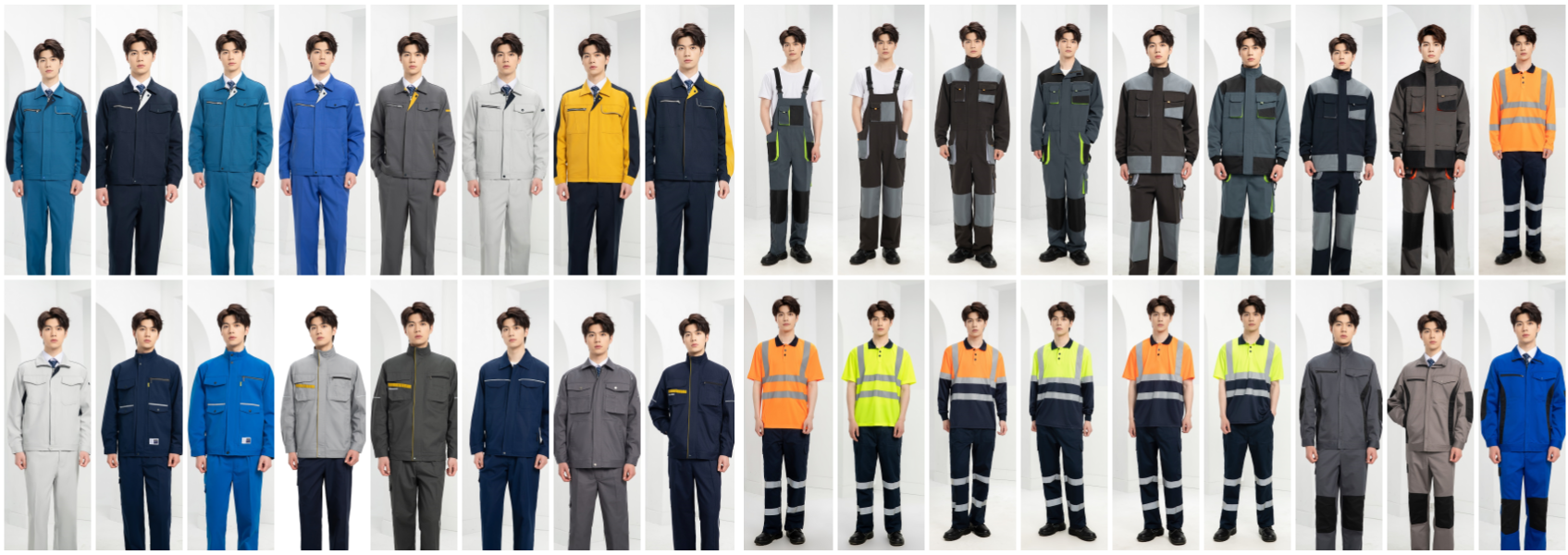
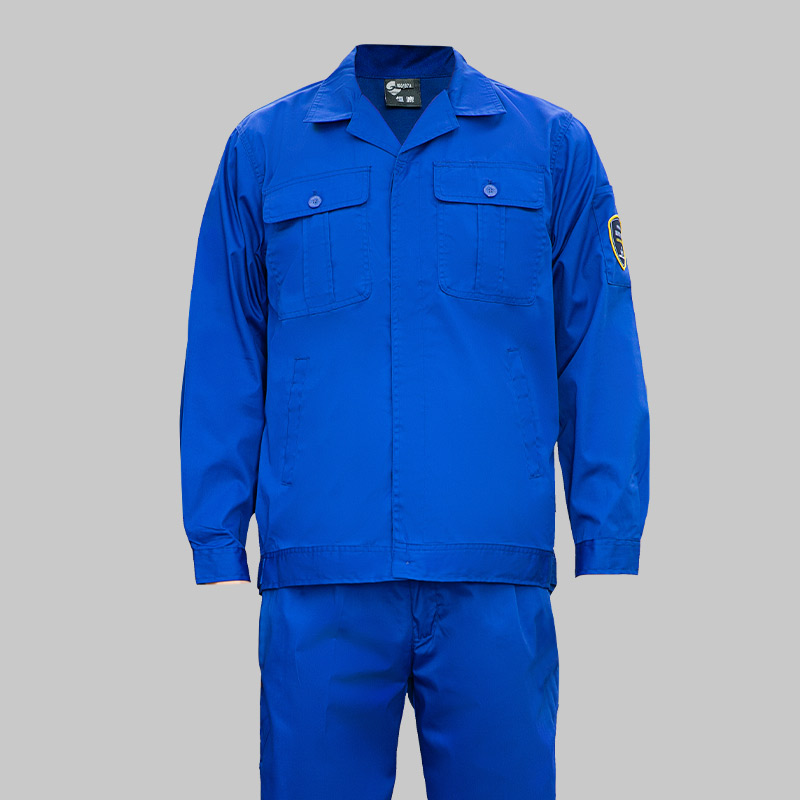
polyester cotton labor workwear
-
-
Request Samples:
-
Never skip this step. Pay for a prototype or pre-production sample to assess quality, fit, and workmanship.
-
-
Communication & Negotiation:
-
Ensure communication is clear. Discuss payment terms (e.g., 30% deposit, 70% before shipment), and get everything in writing via a formal Proforma Invoice (PI).
-
-
Place a Pilot Order:
-
Start with a small production order to test their capabilities on a larger scale before committing to a huge order.
-
-
Conduct Quality Control:
-
Either visit the factory yourself, hire a sourcing agent, or use a third-party QC company to inspect the goods before payment and shipment.
-
Red Flags to Watch Out For
-
No MOQ or an unusually low MOQ: Could be a trading company or a low-quality factory.
-
Unwillingness to provide a sample.
-
Poor communication: Slow responses, broken English that hinders understanding.
-
Requests for full payment upfront.
-
Vague or evasive answers to direct questions about their process or capabilities.
-
No company verifications or certifications.
Finding the right manufacturer is a partnership. Invest time in the search and vetting process, and it will pay dividends in the quality and success of your clothing line. Good luck