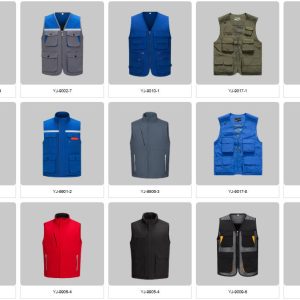
Walk onto a construction site, a warehouse floor, or an airport tarmac, and one item of clothing instantly stands out: the work vest. These sleeveless, typically brightly colored garments are far more than a uniform choice—they are a critical piece of safety equipment, a mobile toolbox, and a communication tool all in one. Understanding why people wear work vests reveals a story of risk management, practical design, and workforce psychology. Whether you call it a safety vest, a high-visibility vest, or a utility vest, the reasons behind its widespread adoption are both universal and deeply functional.
1. High-Visibility Safety: The Primary Reason for Work Vests
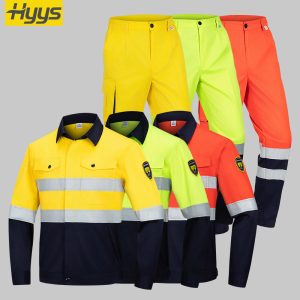
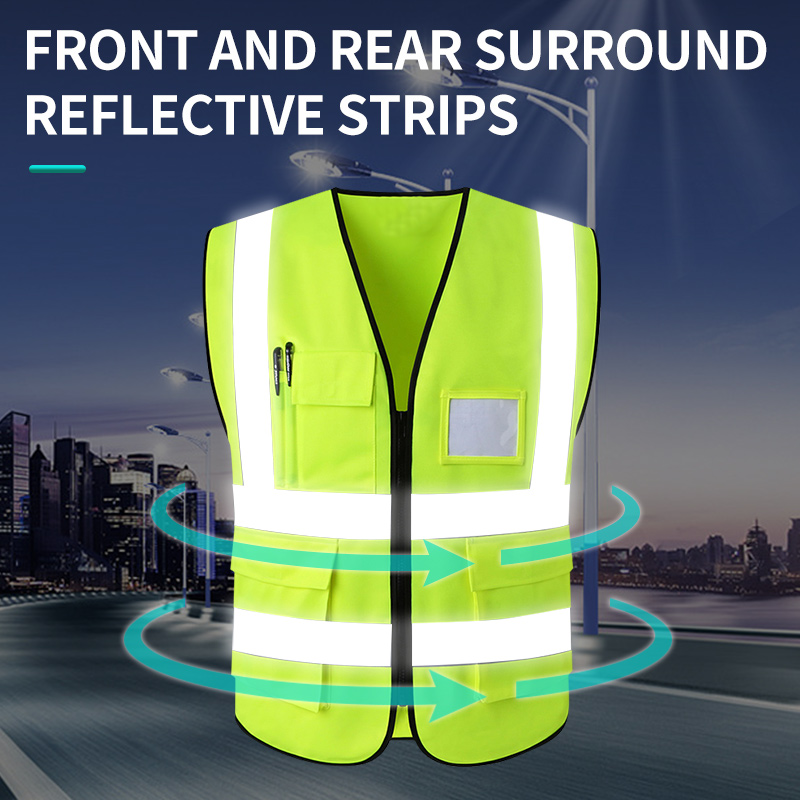
The most critical and regulated reason people wear work vests is to be seen. In environments where heavy machinery, moving vehicles, and low-light conditions collide, being highly visible is a matter of life and death. High-visibility work vests use a combination of two elements:
-
Fluorescent background material (often neon yellow, orange, or green) that converts invisible ultraviolet light into visible light, making the wearer glow during the day.
-
Retroreflective tape that bounces light directly back toward its source, such as vehicle headlights, creating a sharp, bright outline at night or in dark conditions.
This combination ensures that a worker stands out against any background—whether it’s a foggy dock, a dimly lit roadway, or a busy logistics hub. The contrast between the bright fabric and the reflective strips immediately signals “person ahead” to equipment operators, reducing the risk of struck-by incidents that are among the leading causes of workplace fatalities. This is not a matter of preference; it’s engineered visibility that eyes and brains process faster than any other clothing color.
2. On-Body Tool Organization and Instant Access
Beyond safety, a work vest functions as a wearable tool belt. Many people wear them because they eliminate the need to carry a separate bag or constantly walk back to a workbench. A well-designed work vest features multiple specialized pockets tailored for specific tools:
-
Zippered chest pockets for smartphones or radios
-
Pen and pencil slots
-
Deep interior pockets for documents or tablets
-
D-rings or loops for hanging safety harnesses, gloves, or ID badges
For electricians, surveyors, event crew, and inspection agents, the ability to keep both hands free while having instant access to a voltage tester, a marker, or a work order means fewer interruptions and far greater productivity. Unlike a tool belt, a vest distributes weight evenly across the shoulders and torso, reducing strain on the lower back during a long shift.
3. Instant Identification and Professional Branding
On a busy site with multiple contractors, a work vest functions as a visual ID system. People wear them to answer the question “Who is who?” in a split second:
-
Color coding by role: Designated colors can separate first-time visitors from operators, supervisors, electricians, or fire watch personnel.
-
Custom text and logos: “Safety Officer,” “Site Manager,” or “Inspector” printed on the back eliminates ambiguity.
-
Brand presence: Embroidered company logos on the front turn every worker into a moving brand ambassador without requiring a full uniform change.
This identification layer dramatically improves communication and security. A stranger without a vest or with the wrong color is instantly recognizable, helping to control access and streamline coordination. For companies, it’s a cost-effective way to maintain a professional, unified look across a diverse crew.
4. Climate Adaptation Without Sacrificing Mobility
A work vest is the ultimate layering piece. It provides core warmth where the body needs it most while leaving the arms completely free for unrestricted movement. This is why you’ll see them worn:
-
Over a lightweight T-shirt in spring and fall
-
Zipped over a hoodie or insulated jacket in winter
-
Worn directly over a tank top in extreme heat when only the high-visibility shell is needed
This flexibility means people wear the same vest across multiple seasons. The absence of sleeves prevents overheating during physical labor and eliminates the risk of loose cuffs catching on machinery. For indoor cold storage workers or outdoor laborers facing changing weather, the vest provides thermal comfort without sacrificing dexterity for intricate tasks.
5. Compliance with Mandatory Safety Regulations
For many, the reason is simple: it’s the law. Government health and safety bodies worldwide have strict standards that classify worker visibility based on environmental risk levels. For instance, standards such as ANSI/ISEA 107 in North America or EN ISO 20471 internationally define classes of high-visibility clothing required for different exposures to traffic and equipment. A worker on a public highway needs a higher level of reflective coverage (Class 3) than someone in a private warehouse.
Employers issue the appropriate class of work vest to comply with these regulations, avoiding heavy fines and legal liability. Employees, in turn, wear them as a condition of their employment. This regulatory backbone makes the work vest non-negotiable protective equipment, much like a hard hat or steel-toed boots.
6. Task-Specific, Lightweight Protection
Not every job requires full-body armor. Some roles need lightweight, targeted protection that a vest can provide. People wear work vests designed for:
-
Surveying and roadside work: Ultra-bright, minimum weight, maximum ventilation.
-
Flame-resistant environments: Made from inherently flame-resistant materials to protect against arc flash or flash fire without the bulk of a full jacket.
-
Security and event personnel: High-visibility with clear “SECURITY” or “STAFF” markings for crowd management.
-
Marine and offshore: Hi-vis vests with built-in flotation or inflation capability fall under personal flotation devices (PFDs) and are vital for man-overboard situations.
This specialization means the wearer gets exactly the protection level they need, when they need it, without the fatigue and heat stress that heavier protective clothing can cause.
7. A Psychological Signal of Awareness and Team Unity
Wearing a uniform piece like a work vest creates a psychological shift. It signals the start of a shift, a commitment to the safety culture, and membership in a team. When everyone on site wears a vest, a collective sense of accountability forms—each person is visibly responsible for their own safety and the safety of those around them. It removes social barriers, as every worker from the apprentice to the foreman shares the same high-visibility uniform. This visual equality can improve communication and foster a stronger safety-first mindset.
Choosing the Right Work Vest for the Job
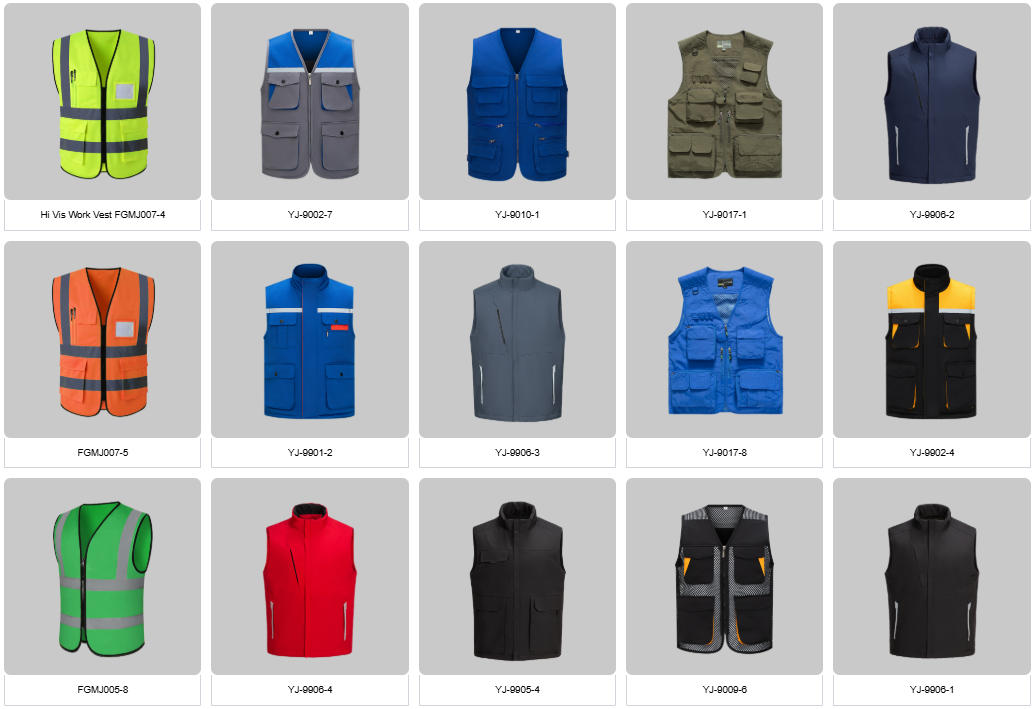
The reason someone puts on a work vest shapes the features they need. When selecting a vest, consider these decision points:
-
Environment risk level: Low-volume traffic requires different reflective surface areas than highway-speed conditions. Match the vest class to the risk.
-
Pocket configuration: Do you need a quick-access phone pocket, a clear ID holder, or hammer loops? Function drives design.
-
Closure type: Zippers, snaps, hook-and-loop, and breakaway options exist. Breakaway vests are crucial where a vest could get caught in machinery.
-
Material and color: Fluorescent yellow-green provides the highest daytime visibility, while fluorescent orange-red performs better in sunrise, sunset, and against rural backgrounds. Choose the dominant background contrast.
People wear work vests because they are the simplest, most effective answer to a complex equation: stay safe, stay equipped, stay identified, and stay compliant. It’s a piece of clothing that actively works to protect the person inside it. That is why it remains one of the most universally adopted garments in the working world, from volunteer event staff to career heavy-equipment operators. The next time you see a sea of high-visibility vests, you’ll recognize the layers of practical intelligence woven into each one.