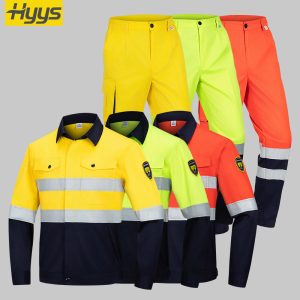
Excellent question. When discussing women’s chemical resistant coatings workwear, it’s crucial to focus on three key pillars: Safety/Certification, Material/Coating Technology, and Ergonomic/Fit Design tailored for women.
Here’s a comprehensive breakdown:
1. Safety & Certification: The Non-Negotiables
This is the most critical aspect. The workwear must be tested to protect against specific hazards.
-
ANSI/ISEA Standards: In the US, look for garments certified to ANSI/ISEA 103 for chemical protective clothing. This standard classifies garments based on performance for specific applications.
-
Type Classification (EN 14325 – European Standard):
-
Type 1: Gas-tight suits (highest protection).
-
Type 2: Non-gas-tight suits with positive pressure.
-
Type 3: Liquid-tight suits (against pressurized liquids – e.g., chemical splash suits).
-
Type 4: Spray-tight suits (against liquid aerosols – e.g., coated coveralls).
-
Type 5: Protection against airborne solid particulates (often used with chemical resistance for dusts/powders).
-
Type 6: Limited protection against light liquid spray (light chemical splash).
-
-
Material Permeation Data: Reputable manufacturers provide permeation and penetration test data for specific chemicals (e.g., acids, solvents, oils) against the coating material over a specified time.
2. Materials & Chemical-Resistant Coatings
The base fabric and its coating determine what chemicals it resists.
-
Common Base Fabrics:
-
Polyester or Nylon: Strong, durable, and serves as a good base for coatings.
-
Tyvek® (Polyethylene): Excellent for particulates and light liquid splash; often has a coating for added chemical resistance.
-
-
Key Coating Types & Their Best Uses:
-
PVC (Polyvinyl Chloride): Excellent resistance to a wide range of acids, bases, salts, and aqueous solutions. Common for: Battery acid, plating solutions, fertilizers. Can be stiff and less breathable.
-
Neoprene: Excellent resistance to oils, greases, and some acids and solvents. Offers good physical durability and some flexibility.
-
Butyl Rubber: Superior resistance to gases, vapors, and aggressive chemicals (e.g., ketones, esters). Used in high-end Type 1 & 2 suits.
-
Nitrile/Latex Coatings: Excellent for resistance to oils, fats, and many solvents. Common in disposable or limited-use aprons and sleeves.
-
Polyurethane (PU): Offers a good balance of chemical resistance, flexibility, and lighter weight. Often used for spray-tight (Type 4) garments.
-
3. Design & Fit for Women
This is where dedicated women’s workwear makes a massive difference in safety and comfort.
-
Anatomical Tailoring: Designed with a narrower shoulder, contoured waist, and wider hip cut to prevent excess, loose material that can snag.
-
Proportioned Lengths: Sleeve and torso lengths scaled appropriately to ensure cuffs and closures sit in the correct protective position.
-
Strategic Seam Placement: To reduce chafing and improve mobility.
-
Adjustability: Features like:
-
Elasticated or adjustable waists.
-
Velcro or snap adjustments at wrists and ankles for a secure seal.
-
Two-way zippers for easier movement.
-
-
Functional Features:
-
Storm Flaps over zippers for an extra liquid barrier.
-
Boot Hooks or Elasticated Leg Cuffs to secure over boots.
-
Compatible Hoods that integrate with respiratory protection.
-
Color Coding: Different colors for different risk areas or roles.
-
Common Garment Types for Women
-
Chemical Splash Suits (Type 3/4): Often one-piece coveralls with sealed seams. Look for styles with back zippers for easier donning/doffing and front zippers with storm flaps.
-
Coated Coveralls (Type 4/5/6): Lighter weight, for protection against light spray and particulates. Common in labs, pharmaceutical, and light manufacturing.
-
Aprons & Sleeves: Used as an additional layer of protection over standard workwear (e.g., in labs, cleaning, painting). Nitrile-coated options are popular.
-
Jackets & Trousers Sets (Type 3/4): Two-piece suits that can offer more versatility and sizing options.
Selection Guide: Match the Garment to the Hazard
| Hazard/Risk Scenario | Recommended Type & Coating Example | Common Applications |
|---|---|---|
| Intermittent, Light Liquid Splash (e.g., lab work, dispensing) | Type 6 apron/sleeves or coverall. Polyurethane or light PVC coating. | Laboratories, Education, Pharmaceuticals |
| Sustained Liquid Spray/Aerosols | Type 4 or Type 3 suit. PVC or Neoprene coating. | Chemical Manufacturing, Tank Cleaning, Spray Painting |
| Pressurized Liquid Jets | Type 3 (Liquid-tight) suit. Heavy-duty PVC or Neoprene. | High-pressure washing with chemicals, pipe/valve maintenance |
| Oils, Greases, Solvents | Nitrile-coated or Neoprene garments. | Automotive, Mechanics, Degreasing operations |
| Acids & Bases | PVC-coated garments. | Battery manufacturing, Plating, Wastewater treatment |
Key Brands to Look For (Offering Women’s Fit)
-
DuPont™ (Tyvek® & Tychem®): The gold standard for disposable and limited-use chemical protection (Tychem suits).
-
HengLu® : Provides acid and alkali resistant chemical protective clothing, including styles designed specifically for women.
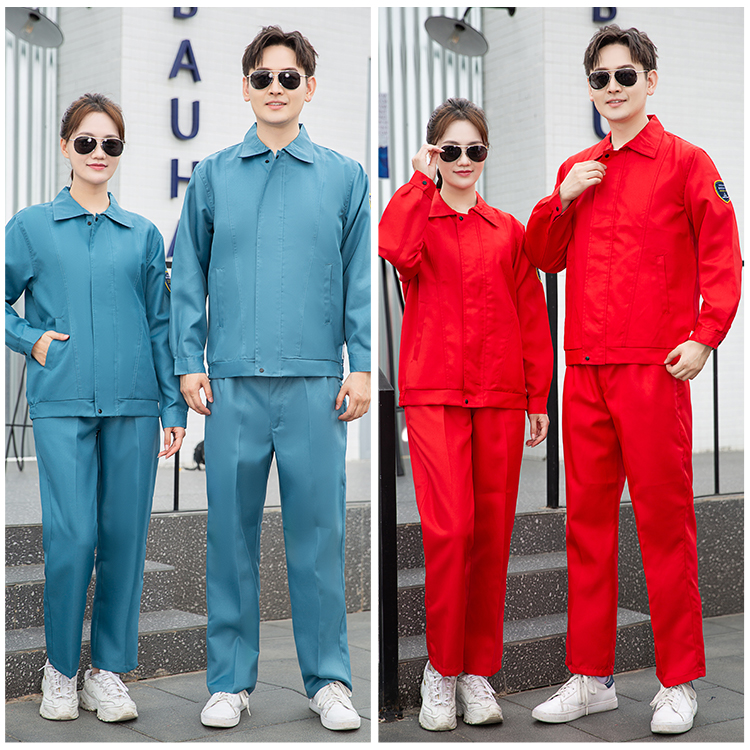
model display of acid-alkali-anti-static protective clothing -
Kimberly-Clark Professional (Kleenguard): Good for lighter-duty chemical splash and particulate protection.
-
Ansell: Known for aprons, sleeves, and specialized suits.
-
3M: Extensive range of protective apparel, including coated options.
Final Checklist Before Purchase:
-
Identify the exact chemicals you’ll encounter and their concentration.
-
Check the manufacturer’s permeation guide for those chemicals.
-
Determine the required Type based on the exposure risk (splash vs. spray vs. pressurized).
-
Select a garment with a certified women’s fit to ensure proper protection and comfort.
-
Ensure compatibility with other PPE (gloves taped over sleeves, hood over respirator).
Always consult your organization’s Safety Data Sheets (SDS) and a qualified Safety Officer to select the correct level of protection. Proper donning, doffing, and decontamination procedures are as important as the garment itself.