
Excellent question! While the terms are sometimes used interchangeably, there are distinct differences between workwear and uniforms. Here’s a breakdown:
Workwear
-
Primary Purpose: Function, Safety, and Practicality.
-
Focus: Designed for the job’s physical demands and environmental hazards.
-
Key Driver: Occupational Health & Safety (OSHA/industry regulations).
-
Characteristics:
-
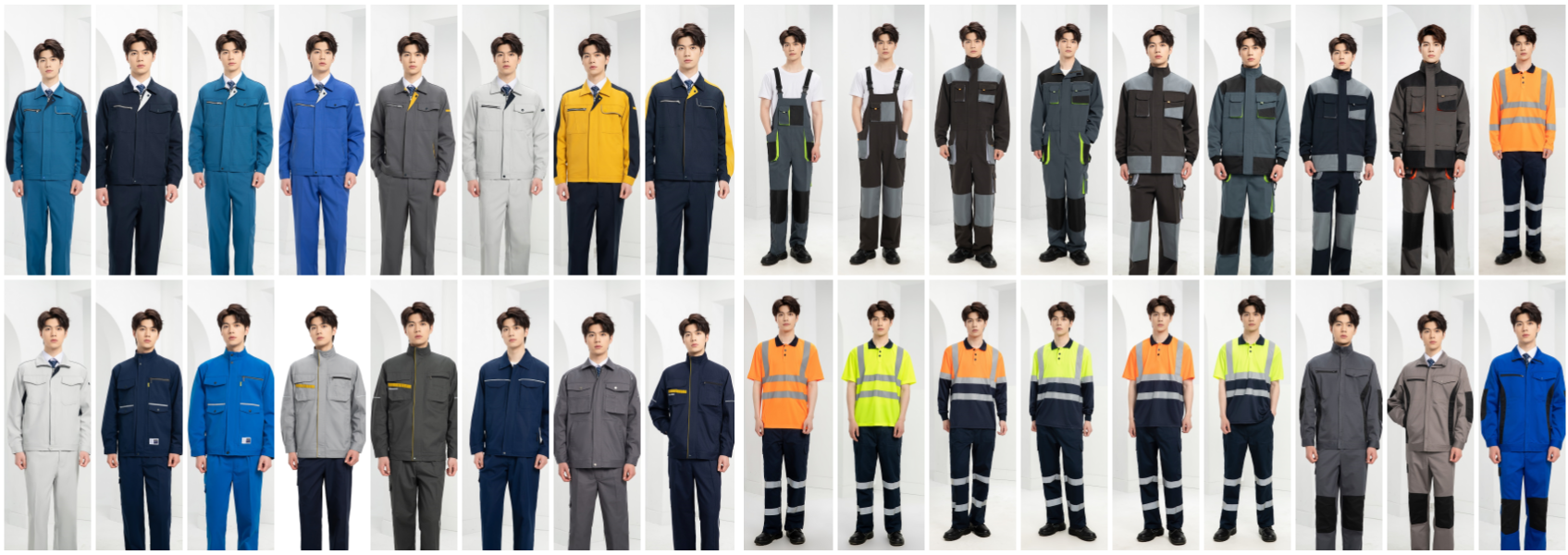
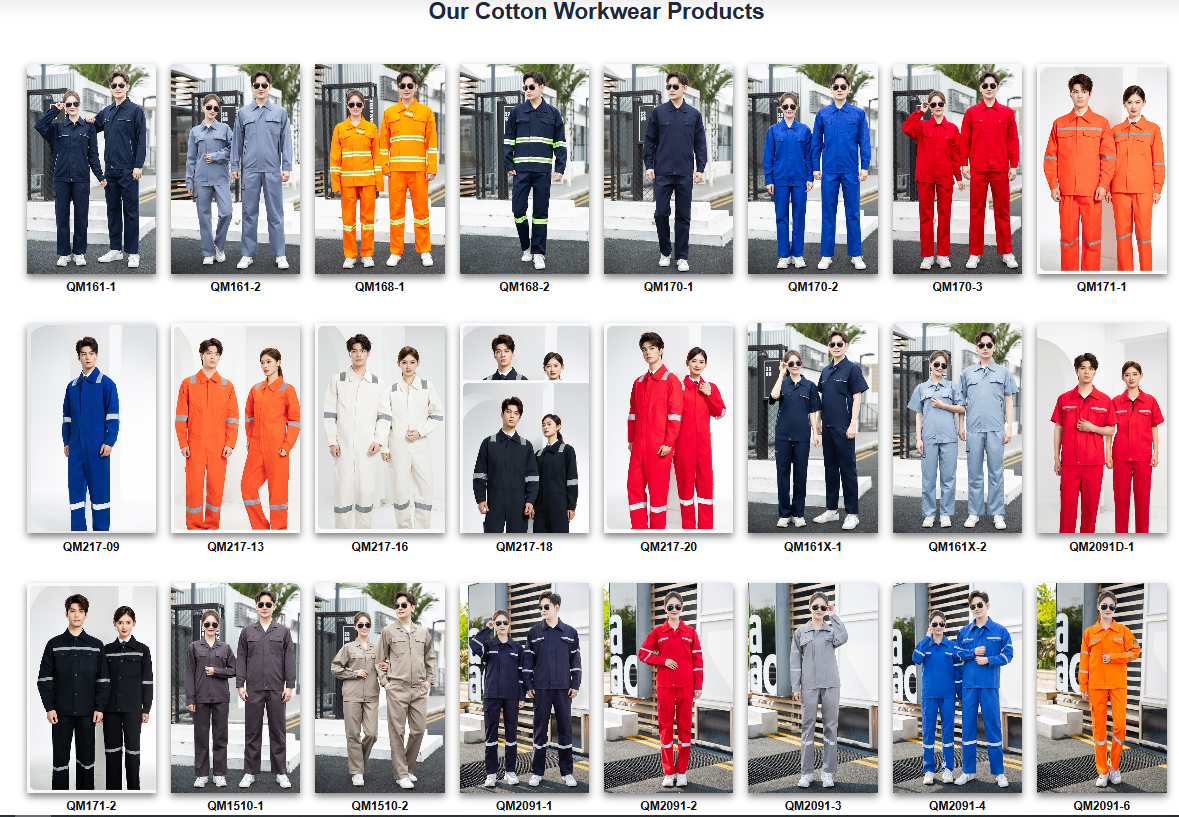
Material & Features: Durable fabrics (denim, canvas, flame-retardant materials), reinforced knees, tool pockets, high-visibility stripes, insulation.
-
Appearance: Often generic and not company-specific. The same pair of carpenter jeans or safety boots could be worn by workers from different companies.
-
Flexibility: May have guidelines (e.g., “must wear FR-rated clothing”), but often allows some personal choice within safety parameters.
-
-
Examples: Steel-toe boots, hi-vis vests, hard hats, welding jackets, hospital scrubs (basic), chef’s aprons, construction overalls.
Uniform
-
Primary Purpose: Identity, Branding, and Professionalism.
-
Focus: Creates a cohesive, recognizable image for an organization or team.
-
Key Driver: Corporate Policy and Brand Identity.
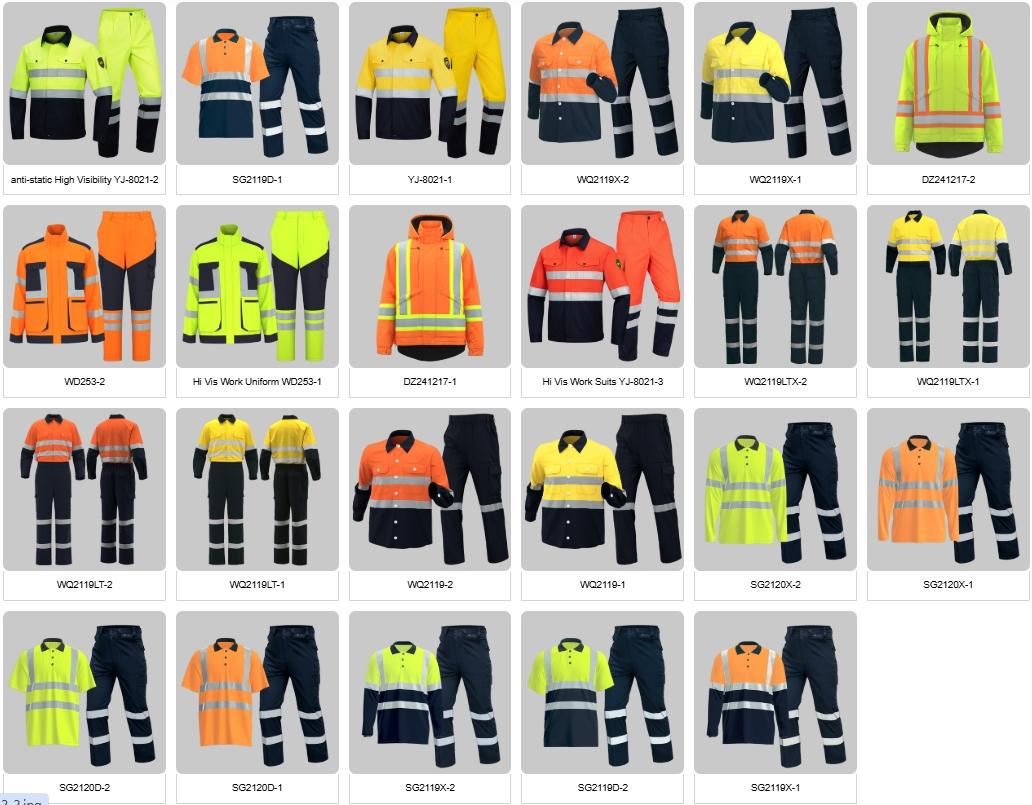
hi vis clothes -
Characteristics:
-
Material & Features: Often standardized for a polished look (e.g., specific fabric blends, exact colors). Prioritizes a consistent appearance over specific utility features.
-
Appearance: Branded with logos, specific colors, and a standardized design (e.g., a specific style of shirt, tie, or dress).
-
Flexibility: Little to no personal choice. Specifies the exact garment(s) to be worn.
-
-
Examples: Airline pilot and flight attendant suits, fast-food restaurant polo shirts, military dress uniforms, hotel front-desk blazers, police dress uniforms.
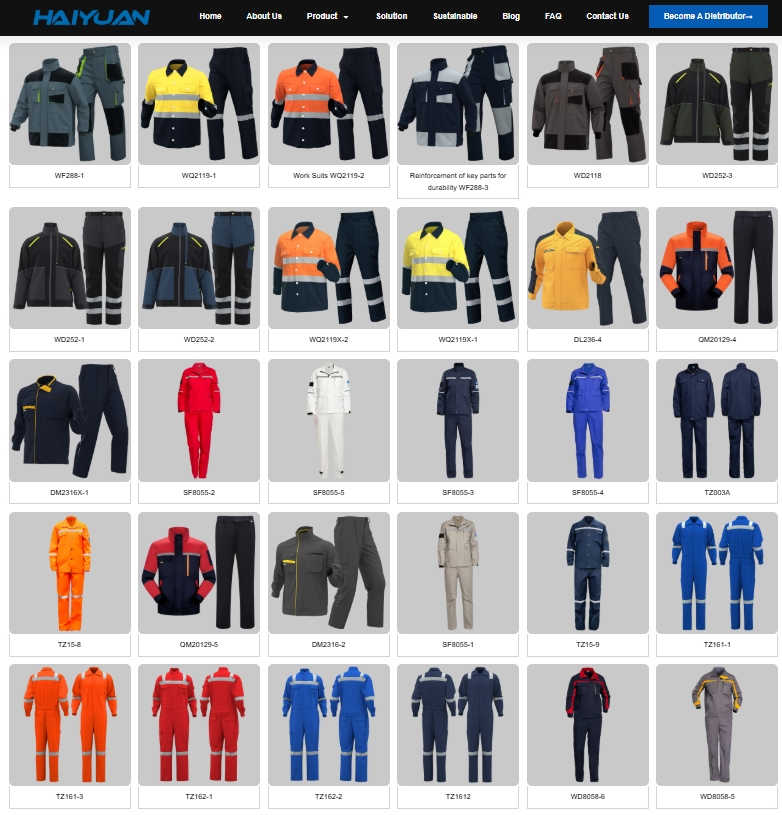
work-uniform-suits
Quick-Reference Table
| Feature | Workwear | Uniform |
|---|---|---|
| Core Purpose | Protection & Function | Identity & Branding |
| Driver | Job hazards, safety regulations | Company policy, brand image |
| Key Traits | Durable, practical, safety features | Cohesive, professional, branded |
| Flexibility | Moderate (within safety rules) | Low (strict standardization) |
| Ownership | Often provided by employer or purchased as gear | Often provided or mandated by the organization |
| Example | A mechanic’s grease-resistant coveralls | A UPS driver’s brown shirt and shorts |
The Overlap (The Gray Area)
Many garments blend both concepts. These are often called “corporate workwear“ or “occupational uniforms.”
-
Example 1: A Nurse’s Scrubs. They are workwear (functional, easy to clean, practical pockets) but also act as a uniform when in a specific color/cut assigned by the hospital to denote department or role.
-
Example 2: A Police Officer’s Duty Gear. The uniform is the standardized shirt and pants that project authority and identity. The workwear elements are the bulletproof vest, utility belt, and durable boots needed for safety and function.
Simple Analogy
-
Workwear is like “gear” (think climbing gear or a carpenter’s tool belt).
-
Uniform is like a “team jersey” (identifies you as part of a specific group).
In summary: You wear workwear to safely do a job. You wear a uniform to represent an organization while doing a job. The most practical outfits, especially in service or public-facing roles, successfully merge both.
References
- Atkinson, Charles Francis (1911). . In Chisholm, Hugh (ed.). Encyclopædia Britannica. Vol. 27 (11th ed.). Cambridge University Press. p. 582.
- Rafaeli, A.; Pratt, M. G. (1993). “Tailored Meanings: On the Meaning and Impact of Organizational Dress”. The Academy of Management Review. 18 (1): 32–55. doi:10.5465/amr.1993.3997506.
- Pratt, M. G.; Rafaeli, A. (1997). “Organizational dress as a symbol of multilayered social identities”. Academy of Management Journal. 40 (4): 862–898. doi:10.5465/256951 (inactive 12 July 2025). JSTOR 256951.
- Pratt, M. G.; Rafaeli, A. (2001). “Symbols as a language of organizational relationships”. Research in Organizational Behavior. 23: 93–132. doi:10.1016/S0191-3085(01)23004-4.
- Compare: Finkelman, Anita Ward; Kenner, Carole (2010). Professional Nursing Concepts: Competencies for Quality Leadership. Jones & Bartlett Publishers. ISBN 9781449617677. Retrieved 2016-11-08.
Prior to the all-white uniform, the nurse’s uniform was gray or blue, similar to a nun’s habit and to the uniforms worn during Florence Nightingale’s time […].
- Hardy, S.; Corones, A. (2017). “The Nurse’s Uniform as Ethopoietic Fashion”. Fashion Theory. 21 (5): 523–552. doi:10.1080/1362704X.2016.1203090.
- Whitaker, Lang (July 18, 2017). “NBA, Nike unveil new uniforms for 2017-18 season”. NBA.com. Retrieved October 15, 2018.
- “White at Home in the NFL”. www.uni-watch.com. Retrieved July 5, 2015.
- Wade, Eileen K. (1957). “27 Years With Baden-Powell”. Why the Uniform?, ch 12. Pinetree.web. Archived from the original on 15 February 1998. Retrieved July 24, 2006.
- HM Revenue & Customs. “SE67240 – Tax treatment of nurses: expenses deductions – laundering uniforms – amount to be deducted”. Retrieved 1 November 2007.
- Australian Taxation Office. “Claiming a deduction for laundry/dry cleaning of work clothing”. Archived from the original on 27 February 2008. Retrieved 1 November 2007.